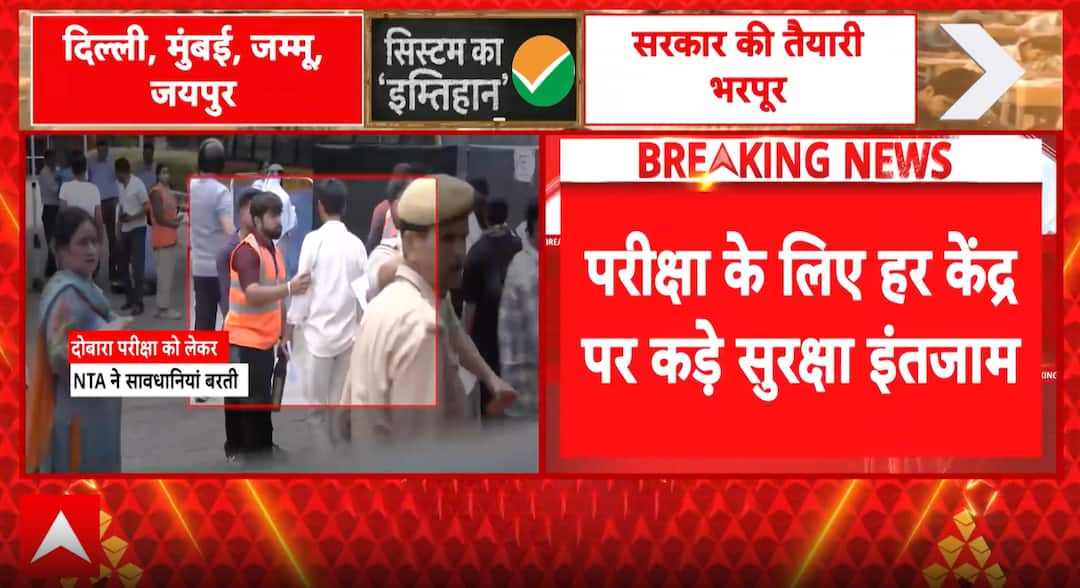
The NEET re-examination across India has entered a high-alert phase, with unprecedented security arrangements deployed to ensure the smooth and transparent conduct of the exam following past paper leak incidents. From Jammu and Kashmir to Bihar, Uttar Pradesh, Delhi, Rajasthan and Maharashtra, examination centres are operating under strict surveillance as lakhs of candidates appear for the medical entrance test. In Madhya Pradesh, authorities have implemented multi-tier security for question paper movement. In Bhopal, papers are being transported to 32 examination centres under the supervision of CRPF personnel, accompanied by designated administrative officers at the tehsildar level. Each convoy is supported by a follow-up security vehicle to ensure uninterrupted monitoring from dispatch to delivery. Similar high-security protocols are visible in other sensitive regions. In Jammu, Indian Army units have been deployed alongside paramilitary forces, creating restricted zones around examination centres where access is tightly controlled. Parents are being kept at designated holding areas, while candidates undergo rigorous entry checks before proceeding to their centres. Across Bihar, enhanced screening procedures include multi-layer frisking, document verification, biometric authentication, and repeated checks for electronic devices. Officials confirmed that security has been intensified compared to previous years, with additional checkpoints introduced at multiple stages of entry. In Delhi and Mumbai, authorities have also ensured strict compliance with examination protocols while introducing support measures such as waiting zones for parents and medical assistance facilities. Despite logistical pressure, entry timings are being strictly enforced, though minor delays have been reported at select centres. As the examination progresses, the scale of security deployment reflects the heightened sensitivity surrounding the test. The focus now remains not only on candidate performance but also on whether the system can fully restore trust after past disruptions, making today’s exercise a critical test of institutional credibility across the country.
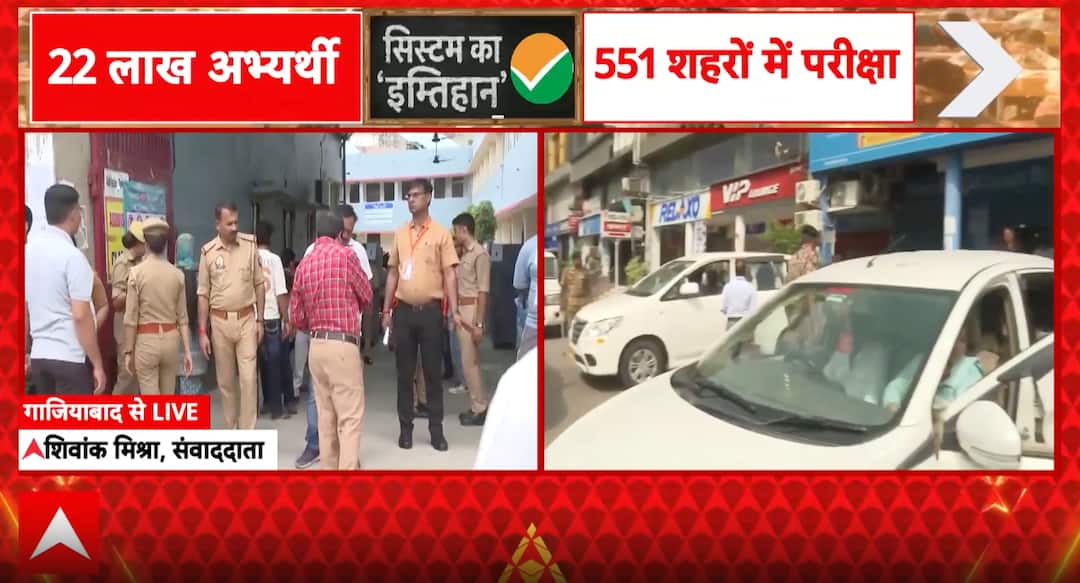
SYSTEM ON TRIAL: NEET Re-Exam Witnesses Tightest Security as Forces Guard Paper Movement Nationwide
Previous article

Next article