
 RC Bhargava
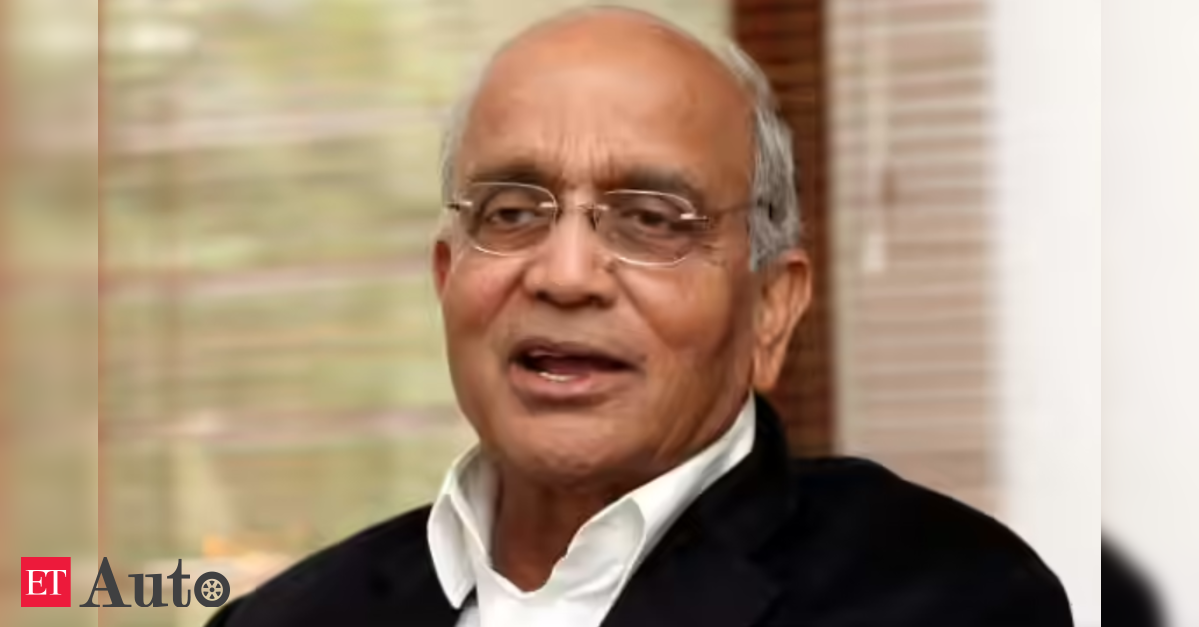
Maruti Suzuki India is set to accelerate capacity expansion and strengthen its manufacturing footprint in India with plans to invest around ₹14,000 crore in FY27, said Chairman RC Bhargava on Tuesday.
This ‘highest-ever’ expenditure aligns with the carmaker’s previous announcements of new plant development, infrastructure development and product launches. “Capex for this year is estimated to be around ₹14,000 crore. As we have said, that is the highest in any of the past years,” Bhargava said during the company’s post-results media interaction.
The capex will be deployed towards continued investments at the company’s Kharkhoda plant in Haryana and the development of a new manufacturing facility in Gujarat. The company on Tuesday reported net sales of ₹50,078.7 crore in the last quarter of FY26 with a net profit of ₹3,590.5 crore, which was down 6.9 per cent YoY compared with ₹3,857 crore in the year-ago period.
According to the top management, profitability was impacted due to an increase in commodity price, with cost as a proportion of sales increasing by a little over 2 per cent compared to the previous year. Also, the company saw a decline in its earnings in the last quarter due to mark-to-market (MTM) losses on its debt investments, where most of its surplus funds are parked.
“It is that in this last quarter, the mark-to-market impact on our debt instruments… has resulted in a sharp drop in the earnings in the mark-to-market. Mark-to-market is nothing permanent… these are all accounting entries, they’re not real entries,” he added.
The Indian automaker has consistently reported production constraints post GST due to the pent-up demand as the company is operating at close to full utilisation.
“Even today, to reach our sales today, about 2.4 million or so, we are running virtually at 100 per cent and we have a backlog … with very low inventories,” he said.
Thus, the new lines were commissioned at Kharkhoda and Ramaspur, with each line capable of producing 250,000 vehicles annually. However, since production has only recently started, the two lines are expected to add around 250,000 units to overall production capacity in FY27.
Exports remain a focus area
Amidst the ongoing geopolitical concerns, Bharagava said exports will remain a key priority and the new lines will be producing vehicles for shipments too. Bhargava reiterated that exports are a key part of Maruti Suzuki’s strategy and should not be compromised in the pursuit of domestic market share gains.
Maruti Suzuki, which reported record breaking exports of near 4.5 lakh cars in FY26, believes India’s expanding free trade agreement (FTA) network will support the company’s export push by opening up newer markets.
“New FTAs are happening… Today we read about the New Zealand FTA. It’s going to open up new areas for us,” he added. Maruti Suzuki claimed to be the largest exporter for the fifth consecutive year, contributing almost half, i.e 49 per cent, of the whole passenger vehicle industry’s export share. The company said it has exported its first electric vehicle, eVitara to 44 countries till now.
However, in the domestic market, the carmaker has reported a significant decline in market share over the years– from more than 55 per cent in 2020 to less than 40 per cent in the last fiscal year. Acknowledging the concerns, Bharagava said the company remained focused on running plants at full capacity and ensuring profitability rather than chasing market share figures.
“Market share is an offshoot of what’s happening to the total market,” Bhargava said. However, he remains optimistic that with ramping up capacity at multiple sites, including two large-scale manufacturing projects, it will cater to rising domestic demand and scale exports in the coming years.