
Italian supercar maker Ferrari is looking at accelerating its growth plans in the Indian market betting on a “massive improvement” in accessibility upon implementation of the EU FTA.
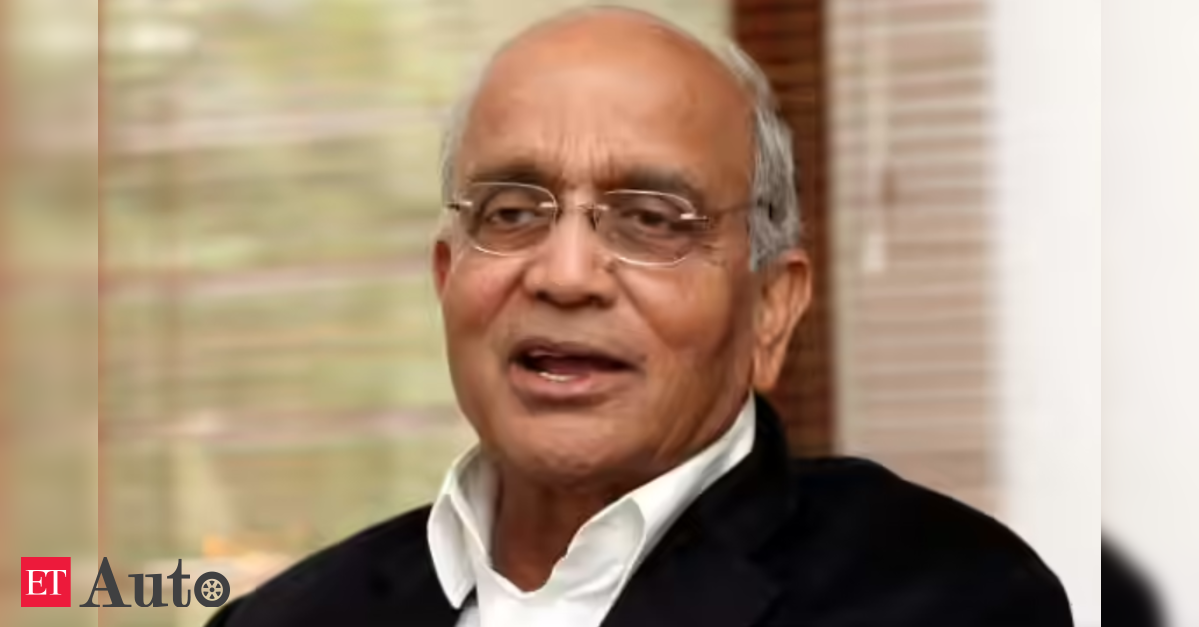
Charles Antoine Geneste, Head of Region, Southeast Asia and India, Ferrari told ET the company is already encouraging prospective buyers to visit dealerships and begin the personalisation process for their vehicles, given the brand’s typical waiting time of around 18 months. Customers who configure and sign today are expected to receive their cars — at the reduced post-FTA price — once the agreement comes into force, anticipated within the next year to 18 months.
The timing of the deal, Geneste added, aligns with Ferrari’s broader, long-term strategic push into India as the company recently restructured its regional operations to create a dedicated Southeast Asia and India division, with India placed at its heart.
“In order to be able to be more present in the market, we have made an internal reorganisation to create the new Southeast Asia region with the focus on the Indian market. Because for us, we really understood that one of the key (driver) for the India market, which is valid for many of the markets in the world, is the presence of the team, the presence of the brand with the clients, (and) also with the fans”, Geneste said, adding, “For India, our outlook, it’s very positive…we can see the market really sparkling.”
Ferrari – which sells cars priced between ₹3.3-10.3 crore (ex-showroom, India) – delivered 13,640 units globally in CY25.
Geneste admitted the company’s sales in India are still small, but said the free trade agreement between the European Union and India is set to transform the ultra-luxury car market, slashing import duties on European vehicles from 110 per cent to 30 per cent. Geneste informed, “The duty passing from 110 per cent to 30 per cent is a massive improvement. It’s a clear increase of accessibility and transparency on the market.”
The EU-India FTA, concluded in January 2026 after nearly two decades of negotiations, represents one of the most significant shifts in trade policy for European automakers eyeing the world’s most populous nation. The country’s head office, led by country manager Aayush Tiwari, is working to deepen connections with clients and enthusiasts alike through track days, community events, and what Geneste described as bringing “the entire Ferrari DNA” directly to Indian soil.
India’s customer profile is adding to the excitement internally. Ferrari’s typical Indian buyer is around 35 to 40 years old — younger than in many comparable markets — with backgrounds in entrepreneurship, technology and new economy sectors, and strong international exposure. Many, according to Tiwari, already have a deep familiarity with the Ferrari brand from time spent abroad.
Geneste said infrastructure investment across India — including world-class racing circuits — has also addressed longstanding concerns about the practicality of supercar ownership. The company said the reduction of GST on automobiles is a positive signal for stakeholders in the auto industry.
“The speed of infrastructure development in India. It’s incredible. And so that is one of the parts of the ecosystem. The thing is one of the key drivers in general – the reduction of the import duty, thanks to this FTA (though the purchase and the ownership of a Ferrari is not price driven) – its improved the accessibility and is sort of a catalyser of decision for our collectors, our new clients. When there is positive news, et cetera, sometimes it creates a small spark and the acceleration for it…All these important factors are aligning. It is clear that India is really, really growing”, he said.