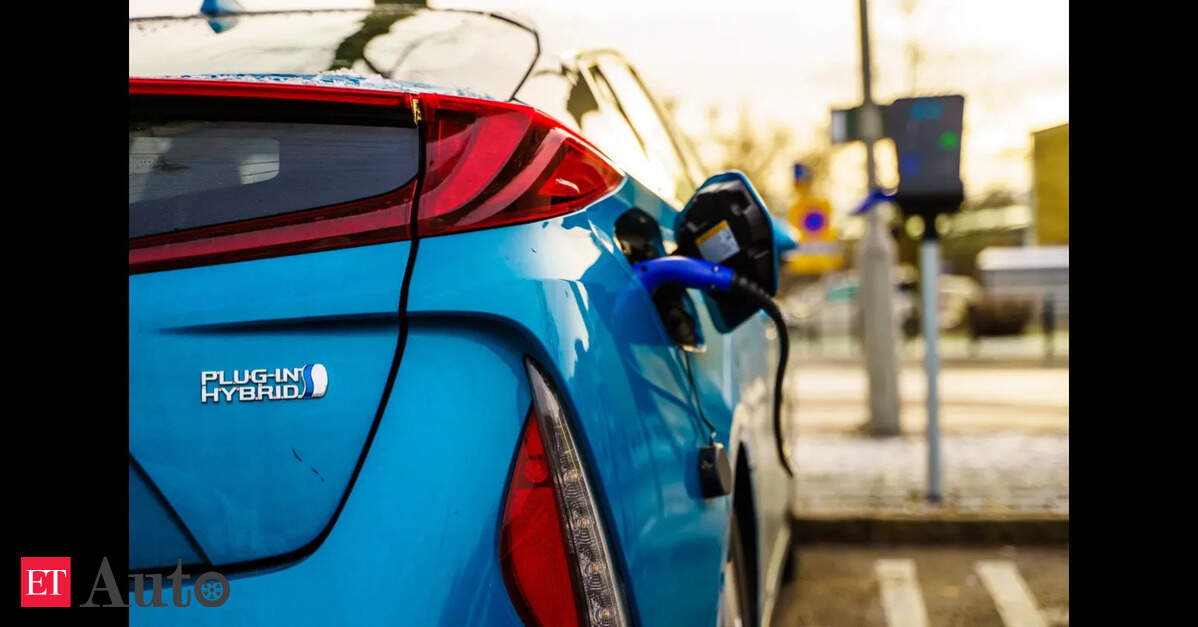

Plug-in hybrid vehicles (PHEVs) sold in Europe emit, on an average, five times more carbon dioxide (CO2) in real-world driving than official certification values, finds out a new study by the International Council on Clean Transportation.
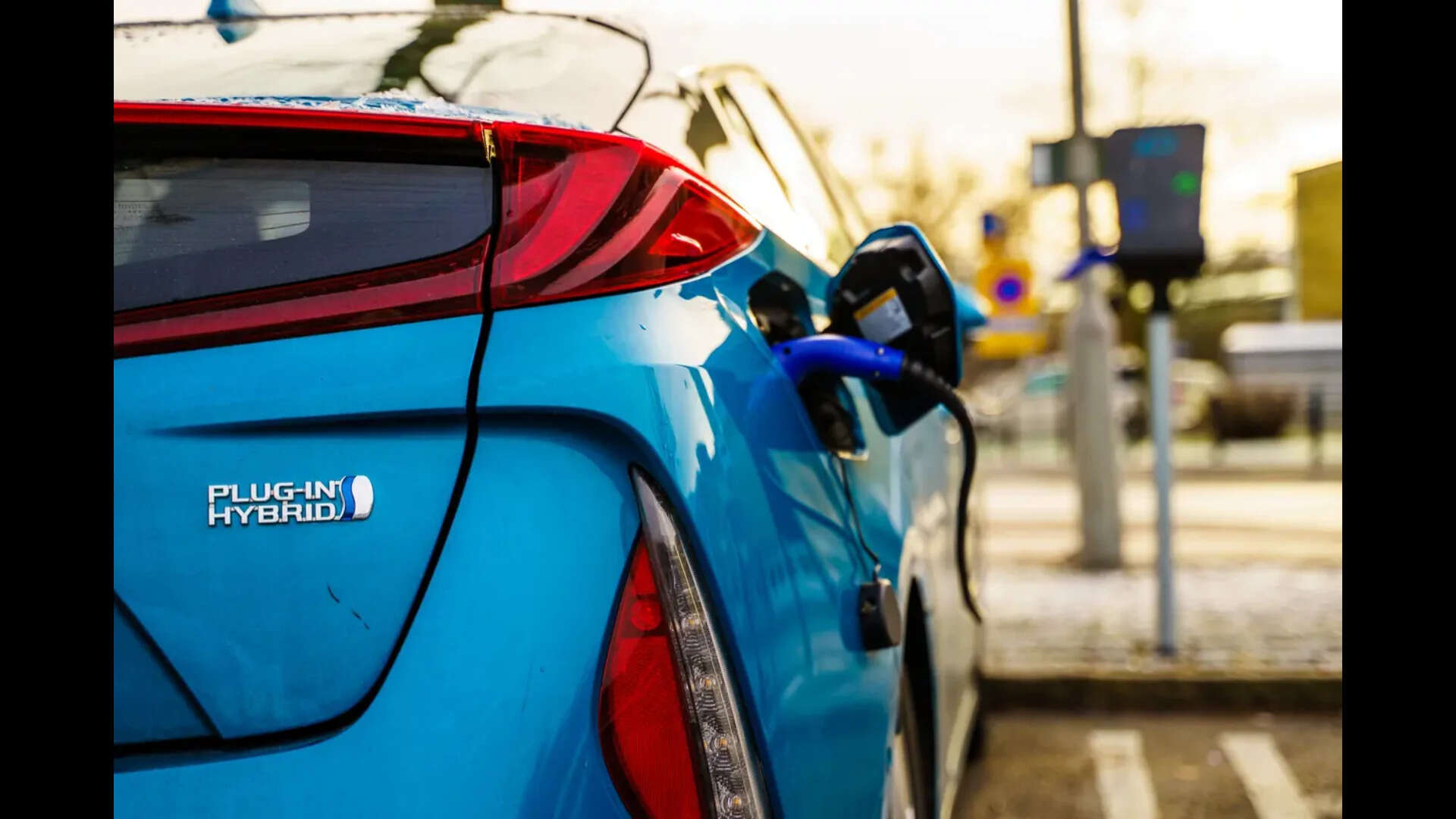
The study found that the gap between official and real-world emissions widened significantly between 2021 and 2023, driven largely by overestimations of how frequently drivers operate their vehicles in electric-only mode. PHEVs accounted for about 9 per cent of new car sales in Europe in 2025. These vehicles combine an electric motor and battery with a conventional petrol or diesel engine, allowing drivers to switch between the two power sources.
According to the study, the average discrepancy between real-world and official CO2 emissions for plug-in hybrids increased from 265 per cent in 2021 to 400 per cent in 2023 across all manufacturers.
Among major automakers, Mercedes-Benz recorded the largest gap. The premium carmaker’s plug-in hybrid models showed an average discrepancy of 452 per cent between official and actual emissions over the 2021-2023 period, with the gap rising from 329 per cent in 2021 to 614 per cent in 2023.
“Plug-in hybrids consume far more fuel on the road than official figures suggest. This study reinforces earlier findings, including our own. Unless regulators address this flaw, carmakers will continue to report emissions that are far lower than those produced in real-world driving,” said Sonsoles Díaz, Senior Researcher at ICCT.
Regulatory concerns
The findings come as European policymakers debate future emissions regulations for passenger vehicles.
The European Commission revised the methodology used to estimate plug-in hybrid emissions in 2025 by adjusting the so-called “utility factor” formula, which determines how often vehicles are assumed to run on electricity. Another revision is scheduled for 2027.
However, the study noted that proposals currently under discussion in the European Parliament could freeze future corrections to plug-in hybrid emissions calculations.
“Even with the 2025 correction, emissions on the road are not accurately estimated. And the worrying trend is that new models are not emitting less but more,” said Peter Mock, Europe Director at ICCT.
Impact on climate targets
The study estimates that the underreporting of emissions from plug-in hybrids resulted in around 100 megatons of unaccounted CO2 emissions from vehicles registered between 2021 and 2025.
Researchers analysed data from approximately 8 million vehicles, including conventional petrol and diesel cars, hybrids and plug-in hybrids.
While discrepancies between official and real-world emissions were found across all powertrains, the gap was substantially smaller for conventional combustion-engine vehicles, averaging around 20 per cent in 2023 compared with around 400 per cent for plug-in hybrids.
“The gap of plug-in hybrids is shockingly high, but this should not distract from the fact that the gap of conventional vehicles, which still make up the majority of vehicle sales in the EU, is also considerably high at 20 per cent,” said Jan Dornoff, Research Lead at ICCT and co-author of the study.
The report also highlighted that battery electric vehicles have been the primary contributors to reducing fleet emissions in Europe.
Between 2018 and 2023, official average CO2 emissions from new cars declined by 28 per cent, while real-world emissions fell by only 15 per cent. During the same period, real-world emissions from combustion-engine vehicles decreased by just 1 per cent on average, indicating limited efficiency gains outside electrified models.