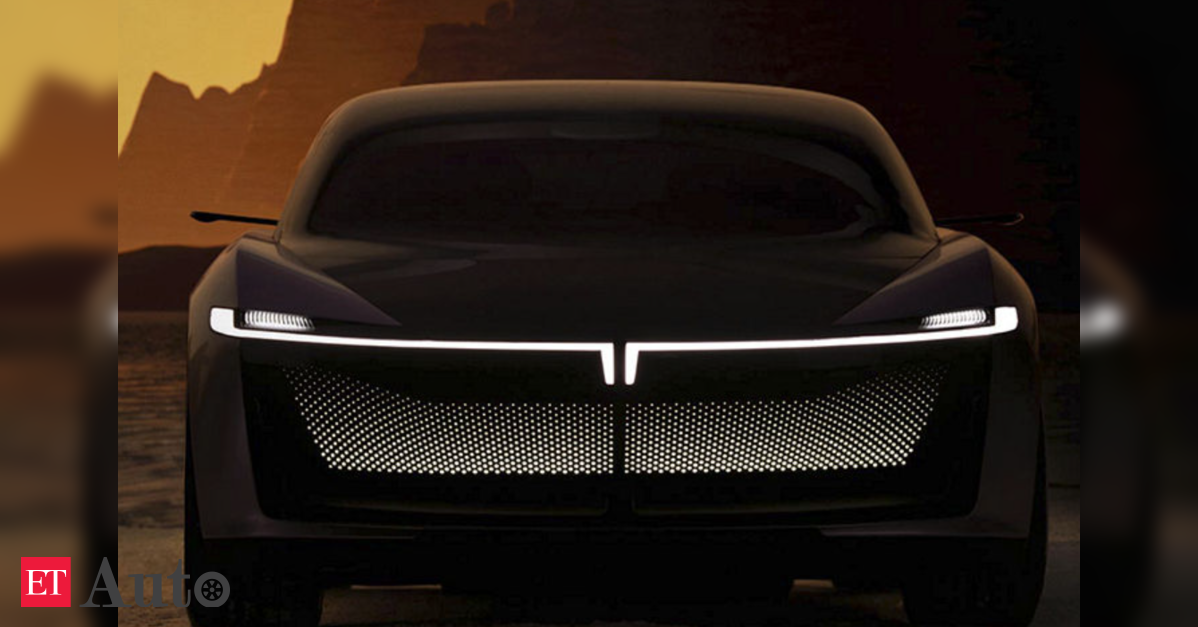

 Tata Motors confirmed that Avinya vehicles will utilise the Freelander platform, developed through a partnership between JLR and Chery in China.
Tata Motors is set to leverage a vehicle platform developed by Chinese automaker Chery Automobile for its premium Avinya electric vehicle range, as the company looks to revive a delayed product roadmap and strengthen its position in India’s fast-evolving EV market, according to a Reuters report.
People familiar with the matter told Reuters, the first Avinya model based on Chery’s platform is expected to be launched in 2027, with a second model planned for 2029. Additional products could follow as Tata expands the premium EV portfolio.
The move follows the collapse of Tata Motors’ earlier plan to build Avinya models on Jaguar Land Rover’s Electrified Modular Architecture (EMA), which was originally expected to underpin premium EVs targeted for launch in 2025.
Leveraging Freelander architecture
Tata Motors confirmed that Avinya vehicles will utilise the Freelander platform, developed through a partnership between JLR and Chery in China.
“Avinya is being developed as a global premium brand to be built on multiple, scalable platforms and architectures while being anchored in Tata Motors’ design, engineering and integration capabilities,” the company said in a statement.
The automaker added that its collaboration with JLR and its partners would remain a key pillar of its premium EV strategy as it expands the Avinya range across segments and international markets.
Under the arrangement, the first vehicle is expected to be shipped from China in completely knocked down (CKD) form and assembled at Tata Motors’ new manufacturing facility in Tamil Nadu. Efforts to localise components are already underway, according to sources.
Filling a gap in Tata’s EV roadmap
The platform-sharing arrangement is expected to help Tata Motors accelerate product development and access advanced EV technologies without incurring the time and costs associated with building a new architecture from scratch.
Industry sources described the move as a practical solution to bridge a product gap after JLR’s decision to shelve plans for manufacturing EMA-based EVs in India.
The company continues to pursue the development of its own dedicated EV architecture over the longer term, sources said.
Competition intensifies
Tata Motors remains India’s largest electric passenger vehicle manufacturer, but competition in the segment has intensified.
Electric vehicles currently account for around 14 per cent of Tata’s overall sales, with the company targeting a 30 per cent contribution by 2030. However, rivals such as Mahindra & Mahindra and JSW MG Motor India have expanded their EV offerings, putting pressure on Tata’s market leadership.
The Avinya range is expected to play a critical role in strengthening Tata’s presence in the premium EV segment, where consumer expectations around technology, software and driving range continue to rise.
Growing reliance on Chinese EV technology
The agreement also highlights a broader trend emerging within India’s automotive industry, where manufacturers are increasingly sourcing electric vehicle technologies from Chinese companies while avoiding direct equity partnerships due to regulatory restrictions.
India tightened scrutiny of investments from neighbouring countries in 2020, significantly limiting Chinese participation in several sectors, including automotive manufacturing.
However, licensing agreements and technology partnerships have emerged as a viable route for Indian automakers seeking access to advanced EV platforms.
Notably, JSW Motor, the independent automotive venture promoted by Sajjan Jindal-led JSW Group, has also entered into a platform licensing arrangement with Chery.