
Bajaj Auto domestic sales rise 10% to 2.48 lakh units in May; exports jump 34%
Synopsis: Bajaj Auto reported domestic sales of 2,48,031 units in May 2026, up 10 per cent year-on-year, driven by growth in both two-wheelers and commercial vehicles. Total sales rose 20 per cent to 4.61 lakh units, supported by strong export demand.
New Delhi: Bajaj Auto reported domestic sales of 2,48,031 units in May 2026, registering a 10 per cent increase compared with 2,25,733 units sold in the corresponding month last year.
The Pune-based automaker’s total sales, including exports, grew 20 per cent year-on-year to 4,61,257 units during the month, up from 3,84,621 units in May 2025. Exports surged 34 per cent to 2,13,226 units, highlighting continued strength in overseas markets.
In the two-wheeler segment, domestic sales increased 9 per cent to 2,09,528 units from 1,91,412 units a year ago. Exports of motorcycles and scooters rose 30 per cent to 1,83,676 units, taking total two-wheeler sales to 3,93,204 units, an increase of 18 per cent.
The commercial vehicle business also posted strong growth. Domestic CV sales rose 12 per cent to 38,503 units, while exports jumped 65 per cent to 29,550 units. Total commercial vehicle sales stood at 68,053 units, up 30 per cent year-on-year.
For the April-May period of FY27, Bajaj Auto’s domestic sales grew 11 per cent to 4,96,241 units compared with 4,46,348 units in the same period last year. Total sales for the two-month period increased 30 per cent to 9,75,049 units, aided by a 57 per cent rise in exports.
The strong export performance continues to support Bajaj Auto’s overall growth trajectory, with overseas markets contributing nearly half of the company’s total volumes during the month.
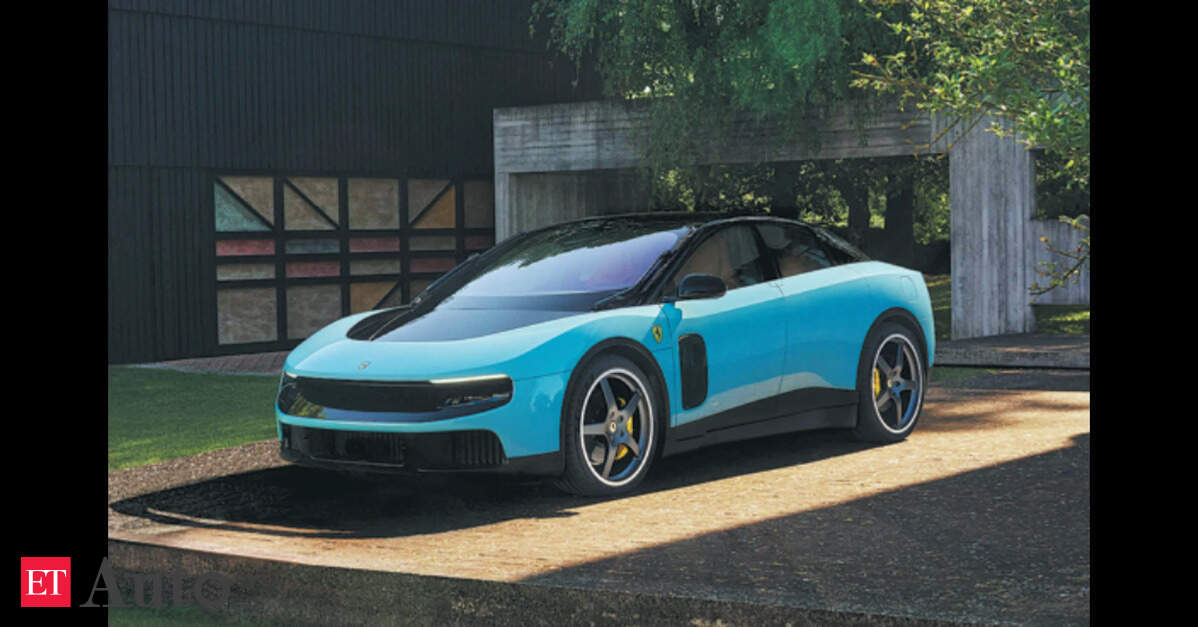
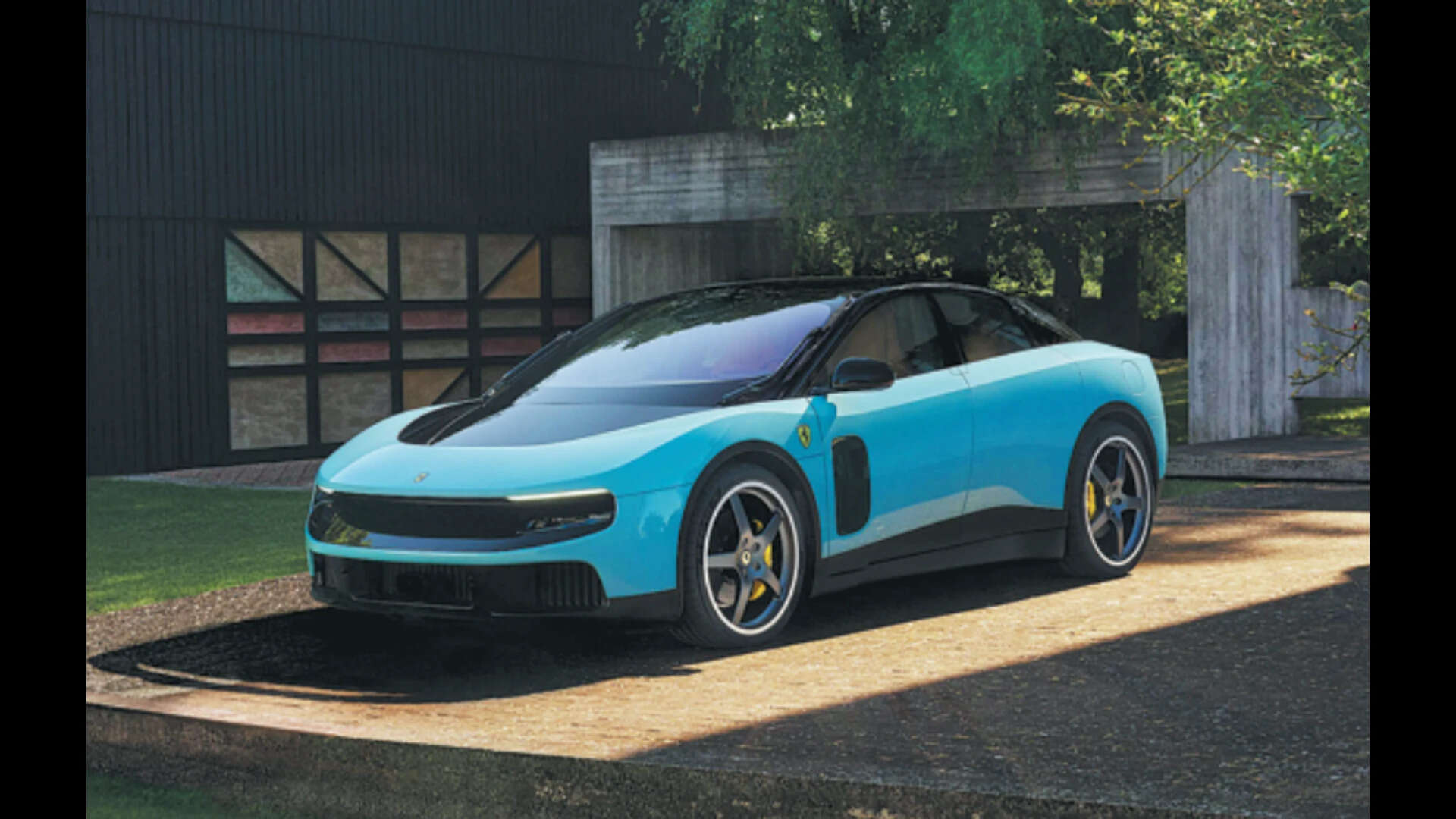
If it’s a Ferrari, it’s gotta look, sound and drive like one. Luce, Ferrari’s first e-supercar, has divided its clientele, like split electrons. It’s pricey enough. It has power, thus the vroom. But it doesn’t appeal to the Ferrari purist. And for a reason. e-Cars are designed differently. They tend to be taller than road-hugging hypercars. That wrecks the silhouette of what has come to be associated with fast cars. Gone are the curves – and, worse – Ferrari Luce has five seats. Mamma mia! The car has been designed in association with Apple fame Jony Ive.
So, it’s gotta appeal to new buyers Ferrari is targeting, right? But the same way you’d react to a drawerful of iPhones that don’t look Apple-y enough, if you have a garage full of Ferraris, you may be tempted to draw a curtain around Luce. Because (nearly) everything in the Ferrari brand is about design. Then again, you might not, just for sheer variety.
Rival Lamborghini has taken the hint from the reception to Luce, scrapping plans for its e-supercar. This could be an overreaction. The number of cars that need to be sold in this category to turn in a profit can easily be reached through curiosity demand.
The reason electric supercars don’t sell is the luxury attached to their ancestors. Luxury carmakers need to change that mindset. But it’s not an easy job. All EVs are way more powerful than their fuel-guzzling grandfathers. This closes the gap between a regular car and a sports car both running on batteries. Luxury pricing has to be justified through design, which tends to suffer on account of heavy batteries.
Then there is Formula E, which doesn’t work quite as well as Formula 1 because electric cars don’t have the endurance. They can’t do the same number of laps. Formula E is gaining popularity. Yet, it’s far from being a ramp for car couture.
Ferrari is using its fabled ‘bucking horse’ brand loyalty to broaden the definition of luxury in the auto industry. Enzo Ferrari would have approved. Never mind what he thought about Luce’s looks as he shifted in his grave.