
 The source said Tesla wants to make the vehicle lighter, targeting around 1.5 metric tonnes, compared with about two tonnes for the Model Y.
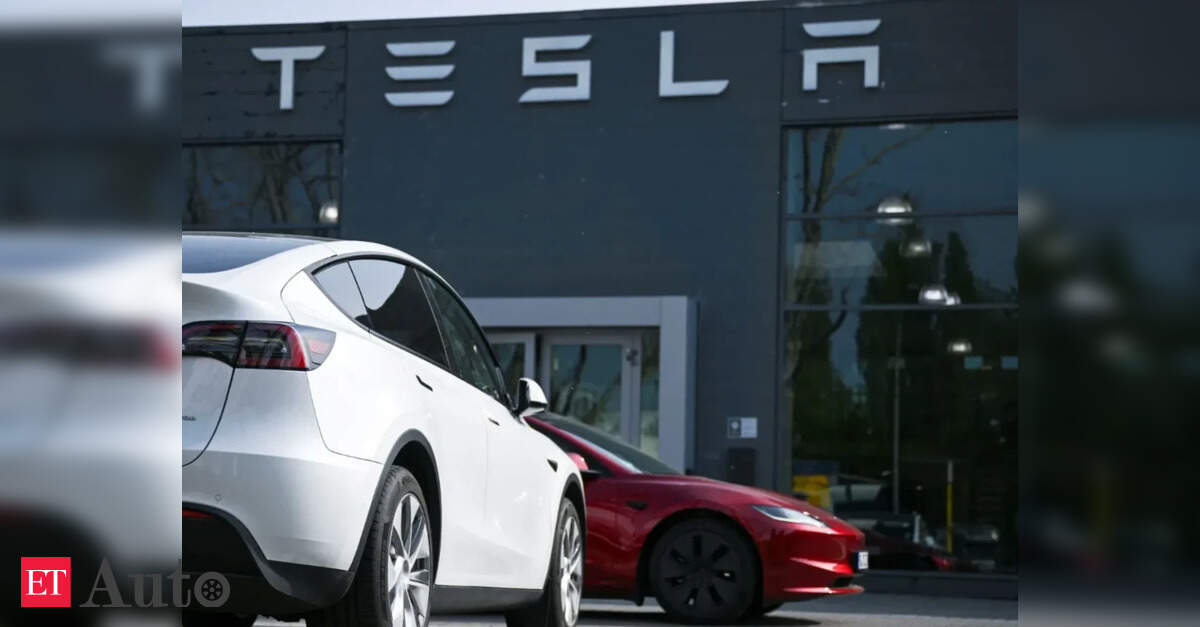
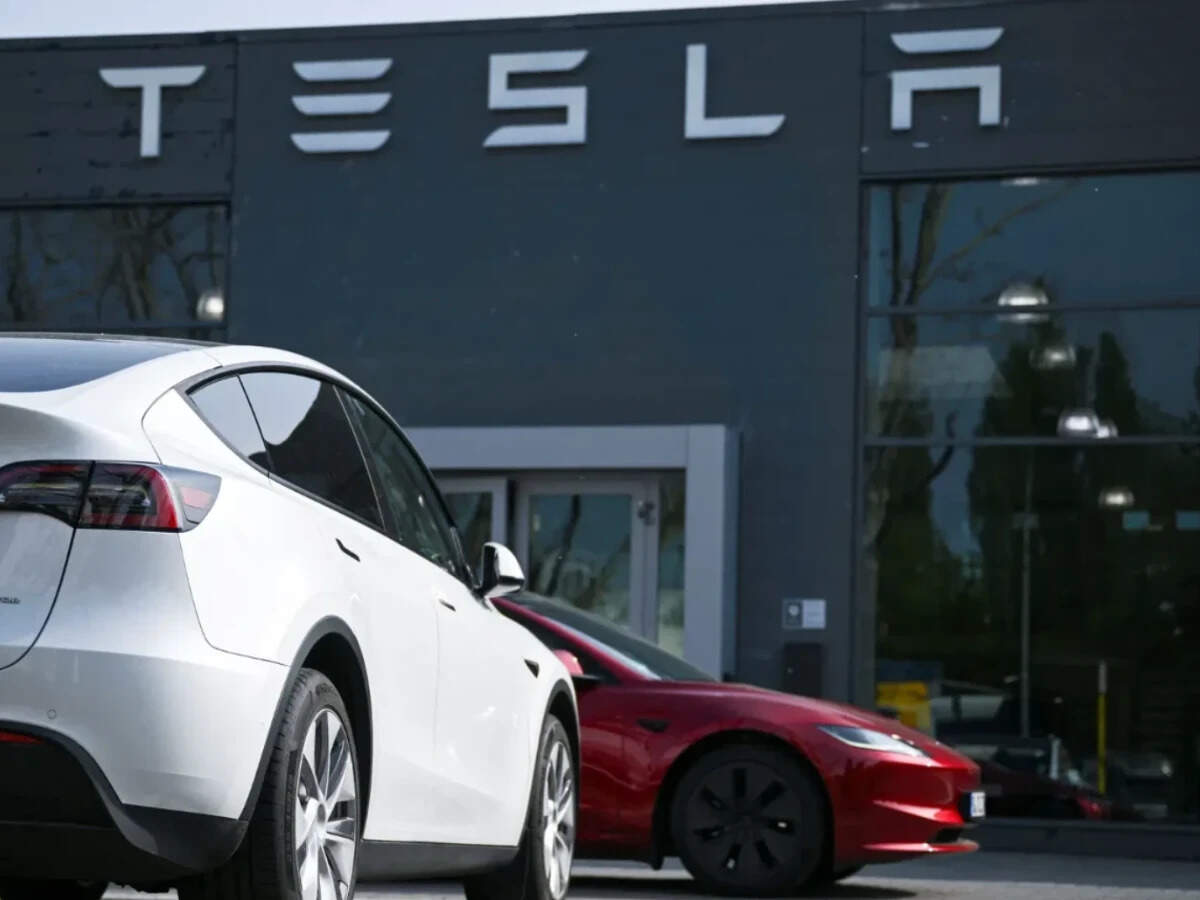
Tesla is developing an all-new smaller and cheaper electric SUV and has recently reached out to suppliers to discuss component specifications and manufacturing processes, four people familiar with the matter told Reuters.
The compact SUV is expected to be a completely new vehicle rather than a variant of the existing Model 3 or Model Y, the sources added. Three people said the vehicle would be produced in China, while one source said Tesla is also aiming to expand production to the United States and Europe.
Two of the sources said the new SUV would be around 4.28 metres long, significantly shorter than the Model Y, Tesla’s best-selling SUV, which measures about 4.78 metres.
Supplier talks signal early-stage development
The sources said Tesla has held discussions with suppliers in recent weeks, covering details of the manufacturing process and component specifications. However, Reuters could not determine whether Tesla has formally approved the project for production.
Tesla did not respond to Reuters’ requests for comment.
The vehicle remains in the early development stage, the sources said, and production is unlikely to begin this year. Three of the people said manufacturing would likely be based at Tesla’s Shanghai factory, which serves as a key export hub for the company.
Lower price target than Model 3
Two sources said Tesla aims to price the new compact SUV significantly below its current entry-level Model 3 sedan, which starts at around $34,000 in China and about $37,000 in the United States.
To achieve cost reductions, Tesla plans to use a smaller battery pack, which would reduce driving range compared to the Model Y’s 306 to 327 miles. One source said the company may also opt for a single electric motor instead of the dual-motor configuration offered on existing models.
The same source said Tesla wants to make the vehicle lighter, targeting around 1.5 metric tonnes, compared with about two tonnes for the Model Y.
Strategy shift or autonomy-aligned model?
The move comes after Tesla CEO Elon Musk scrapped a highly anticipated low-cost EV project in 2024 and shifted the company’s focus towards robotaxis and humanoid robots.
A key question is whether the compact SUV signals a return to Tesla’s mass-market ambitions or whether it is aligned with the company’s longer-term goal of producing fully autonomous vehicles.
According to one source familiar with Tesla’s current product philosophy and a Tesla employee, the automaker is now building models intended to be driverless but still capable of being operated with human driving controls depending on market readiness and regulatory approvals.
The Tesla employee said global adoption and regulatory acceptance of driverless vehicles may take years, and maintaining flexibility to offer models with or without driving controls could help keep factories running at higher utilisation.
Sales pressure builds as robotaxi rollout remains limited
Analysts have forecast a third consecutive year of declining Tesla EV sales, even as the company pursues a driverless future. Tesla currently operates a limited robotaxi pilot programme in Austin, Texas, with many vehicles still carrying human safety monitors.
Tesla also has a track record of delays and cancellations on major product programmes. Concept vehicles such as the Roadster sports car and Semi truck were showcased in 2017, but the company has yet to deliver the Roadster or mass-produce the Semi.
Tesla has said it plans to begin production this month of its two-door Cybercab robotaxi, first unveiled in 2024. The concept vehicle features no pedals or steering wheel, but it remains unclear when it will be commercially launched.
A spokesperson for the US National Highway Traffic Safety Administration said Tesla has not yet sought the federal exemption required to sell vehicles without steering wheels or pedals.
If launched, the compact SUV could become a crucial addition to Tesla’s lineup, offering a more affordable product while the company continues to build out its autonomy roadmap.