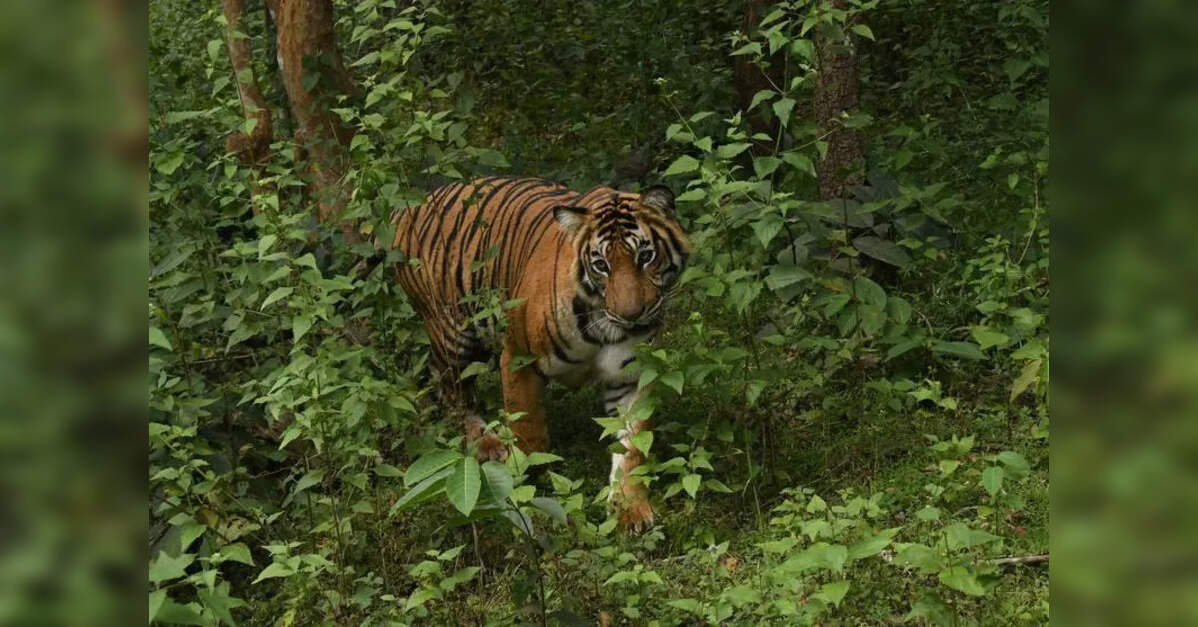

Safari operations have resumed in Karnataka’s Bandipur and Nagarahole Tiger Reserves following a temporary suspension, with the Forest Department reinstating services under reduced duration and capped vehicle numbers. The Karnataka Eco-Tourism Resorts Association (KETRA) has welcomed the phased reopening, calling it a constructive step toward restoring livelihoods while maintaining conservation safeguards.
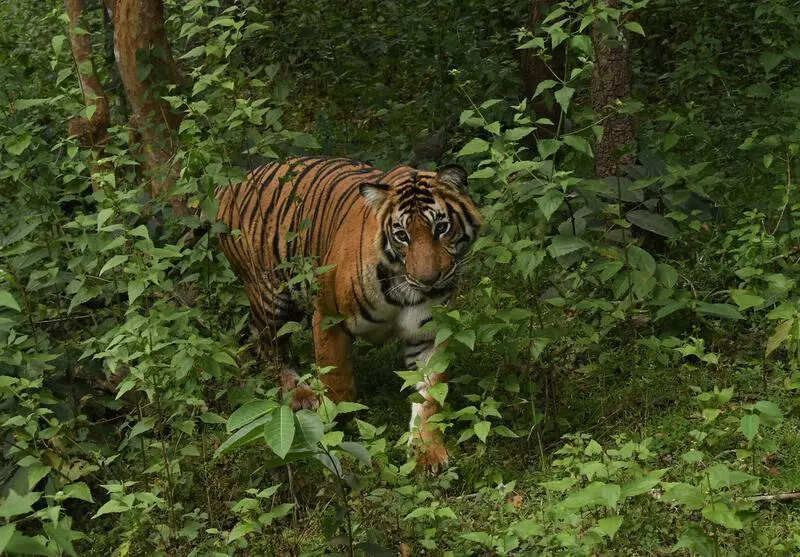
The temporary halt had significantly affected tourism-linked businesses and local employment across the Bandipur–Nagarahole–Kabini landscape, one of India’s most prominent wildlife tourism circuits. The resumption, even in a restricted format, is expected to provide relief to communities dependent on regulated ecotourism.
Wildlife and conservation experts have emphasised that structured, vehicle-bound safari tourism conducted within National Tiger Conservation Authority (NTCA) guidelines is not the primary driver of recent human-wildlife conflict incidents in the region.
Julian Matthews, Founder of TOFT and wildlife conservationist, said the decision to restart safaris was welcome but cautioned against misdirected blame. “Wildlife conflict is a consequence of the success of the park’s conservation efforts and is a Forest Department management issue, not an ecotourism one. How to manage the growing tiger density alongside a growing human population is the question,” he said, adding that ecotourism remains a critical tool for supporting local livelihoods and generating funding for protected areas.
Experts point out that tiger populations in reserves such as Bandipur and Nagarahole have risen substantially over the past two decades, reflecting strong conservation outcomes. However, higher predator densities intensify territorial competition, prompting dispersal into fringe forests and human-dominated landscapes. Such ecological pressures can heighten human–tiger interactions, particularly where habitat corridors have been fragmented.
Dr Anish Andheria, President and CEO of the Wildlife Conservation Trust and a specialist in human-carnivore interactions, welcomed the resumption of safaris, stating that there is no scientific evidence linking regulated, vehicle-based tourism to increased human-tiger conflict.
“Government data shows that tiger densities have nearly tripled over the past two decades. As tiger populations grow, they disperse across large landscapes in search of territory,” he said. “However, rapid development and heavy human dependence on forests have severely degraded corridors and reserve forests outside protected areas. Habitat loss and fragmentation, not regulated tourism, are the primary drivers of rising human-tiger conflict.”
According to conservationists, most tiger territories lie well outside tourism zones, and dispersing animals often move through small forest patches and degraded corridors before finding viable habitats with adequate prey and water availability. In the absence of functional ecological connectivity, tigers may increasingly rely on livestock in fringe settlements, escalating conflict risks.
KETRA has stated that it remains committed to working closely with the Forest Department to ensure safari operations remain strictly regulated, with caps on vehicle numbers and adherence to sustainability standards where required.
Industry observers note that the episode highlights a broader challenge facing India’s conservation landscape: balancing ecological success with social stability. As tiger numbers rise and habitat pressures intensify, long-term solutions will likely depend on strengthened corridor protection, early warning systems, landscape-level planning and community engagement — rather than curtailing responsible ecotourism.
The phased reopening of safaris now offers an opportunity to reframe the debate toward coexistence models that integrate conservation gains, community livelihoods and transparent governance across protected landscapes.