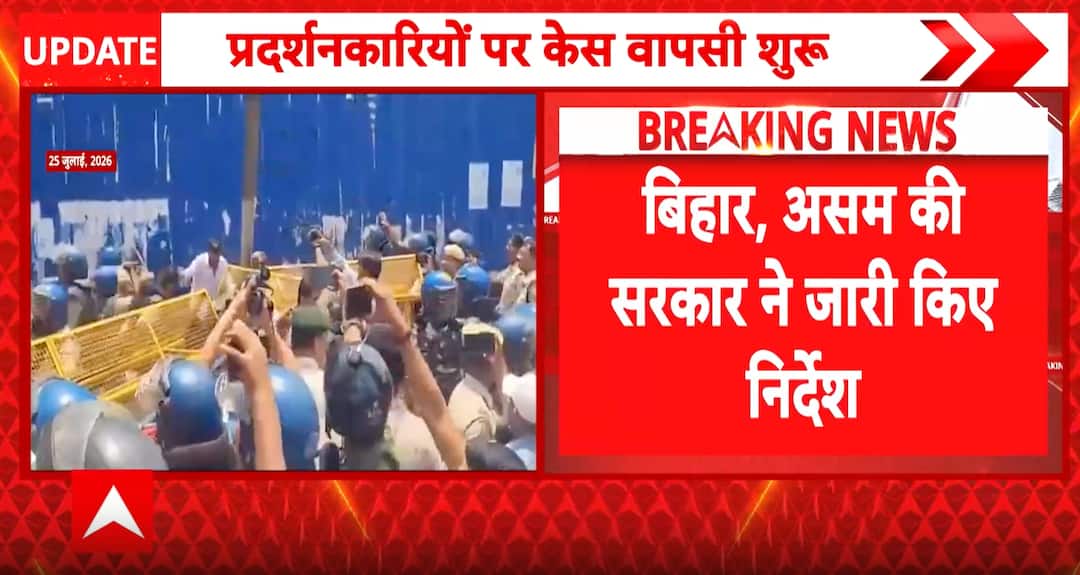
The political confrontation over student protests and the proposed anti-paper leak legislation intensified in Parliament as the government and the opposition locked horns over their priorities. While the Centre sought a detailed discussion on the amended Public Examinations (Prevention of Unfair Means) Bill, opposition parties disrupted proceedings by demanding accountability over alleged police action against protesting students during the July 20 Parliament march in Delhi. Allegations involving pellet gun use, reports of firing during protests in Bihar’s Siwan, and claims of intimidation against students and their families became major flashpoints. Despite the uproar, Union Minister Jitendra Singh formally introduced the amendment bill. However, meaningful debate was postponed until consensus was reached following the intervention of Lok Sabha Speaker Om Birla. The opposition insisted on an independent probe into the alleged excesses against students and sought a statement from Union Home Minister Amit Shah, while the government maintained that the legislation itself was aimed at protecting students by delivering stricter action against examination fraud. The amended bill proposes tougher penalties while retaining a maximum imprisonment of 10 years. It significantly increases the maximum financial penalty from ₹1 crore to ₹10 crore, introduces fast-track courts for quicker trials, mandates completion of investigations within two months, and requires trial courts as well as High Courts to deliver judgments within three months. The legislation also empowers the Centre to establish dedicated task forces to investigate major paper leak cases.

Parliament Pulse: Paper Leak Bill Sparks Clash as Student Protest Crackdown Dominates Debate
Previous article
Next article