
For years, India’s EV market catered to the commuter. Now a new battleground is emerging, with automakers increasingly sharpening their focus on the small but fast-growing market for seven-seater EVs, largely aimed at large families.
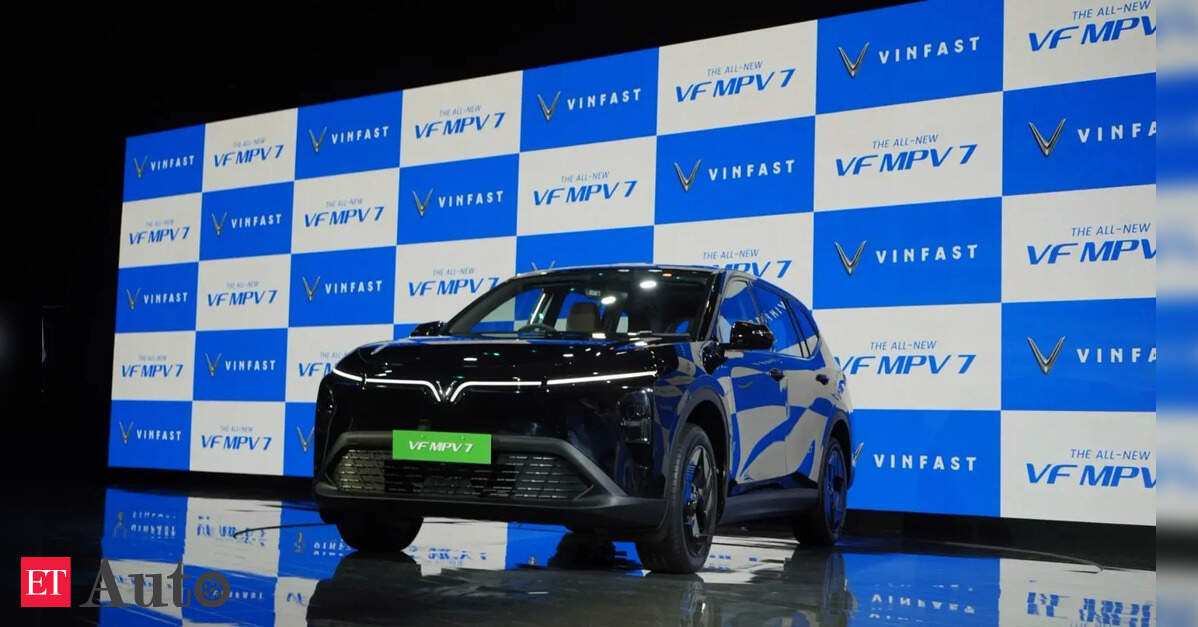
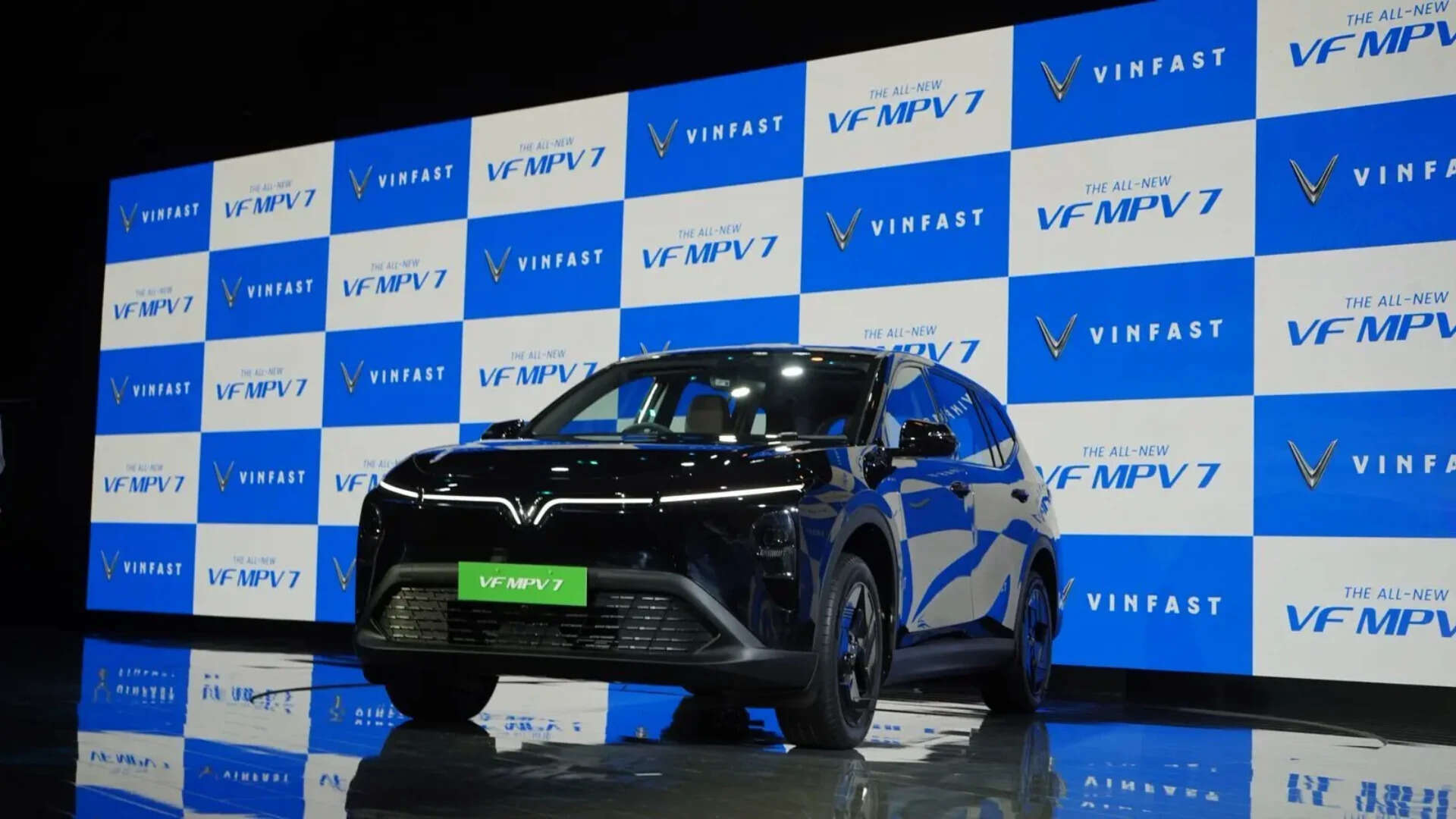
Vietnamese automaker VinFast this week joined others such as Mahindra & Mahindra, BYD, JSW MG, and Kia in this segment as it introduced the VF MPV7 model – the company’s third product rollout in less than nine months.
“What we found is that the offering for a large family where seven adults can comfortably ride, within the city and outside the city, where the comfort and range is very good – it was missing on the Indian roads,” Tapan Kumar Ghosh, CEO of VinFast India, told ET.
According to S&P Global Mobility, the segment sold fewer than 10,000 units in 2025 but is expected to cross 50,000 units this year – a more than fivefold surge, making it one of the fastest-growing in the domestic automobile market. With more models likely to join the competition, overall volumes are expected to grow at a fast clip.
Manufacturers are targeting a diverse price band-starting from ₹17 lakh to ₹75 lakh depending on the range and other features. Most claim to have a long driving range-exceeding 400 kms up to 679 kms. However, the real world range is typically 20-30 per cent lower than the certified claims.
“The 7-seater electric SUVs are emerging as the fastest growing one in the EV landscape,” said Puneet Gupta, director, S&P Global Mobility. “It offers compelling value economics due to the favourable low-GST regime. A wave of product offensives from both mass-market and luxury carmakers is set to significantly widen consumer choice accelerating adoption.”
Crucially, this category strikes a rare balance and delivers premium comfort, enhanced safety, and generous space, making it an ideal proposition for families aspiring for an elevated mobility experience, he said.
The broader EV market is also providing a strong tailwind. Monthly passenger EV registrations crossed 22,000 units this March, up from 5,000-6,000 two years ago, with total industry penetration reaching 5 per cent – a twofold surge in just two years.
Still, challenges persist. Intercity fast-charging infrastructure remains patchy, and most of these large EVs sit at price points that keep them out of reach for most middle-class families. For now, the segment’s sweet spot is the affluent urban household – large, mobile, and increasingly electric.