

Jaguar Land Rover has outlined a three-front recovery strategy after reporting its worst annual net loss in nearly five years, though analysts remain sceptical that the plan can fully offset mounting geopolitical and demand pressures for the Tata Group-owned British automaker.
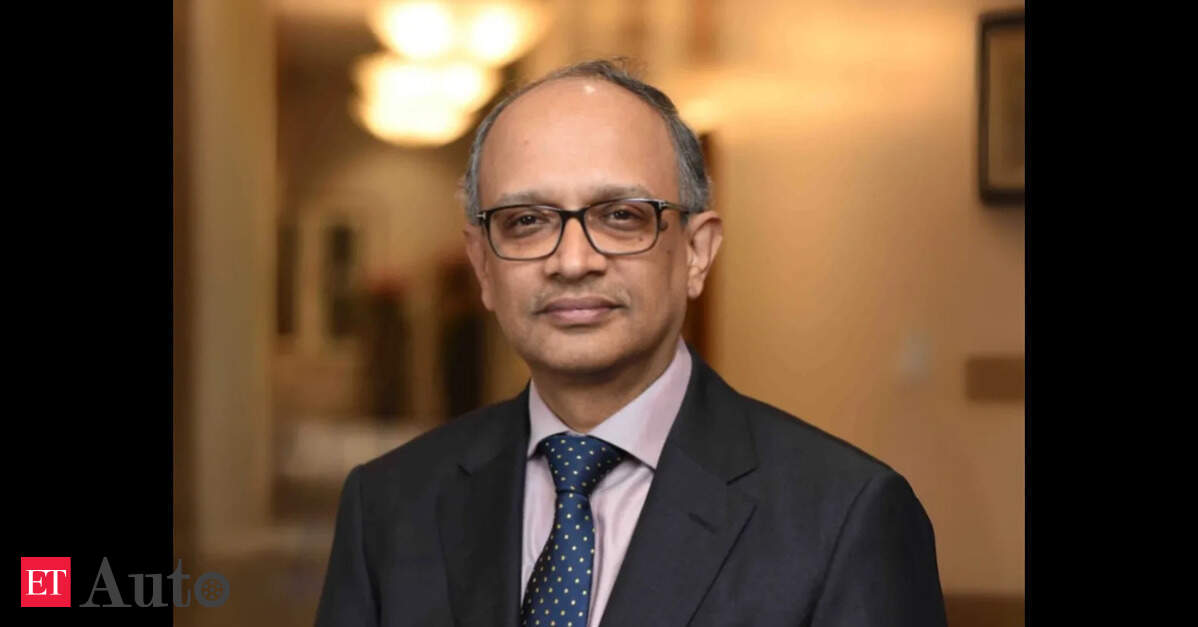
Chief executive PB Balaji said the turnaround will focus on cutting procurement and warranty costs while strengthening digital systems exposed by a cyberattack that disrupted production last fiscal year.
“We need to change internally to be fit for the new world order,” Balaji told investors on company’s fourth-quarter earnings call.
The plan targets restoring JLR’s cash break-even point to annual volumes of around 300,000 units. JLR also aims to achieve 1.7 billion in savings over two years.
The maker of the Range Rover and Defender SUVs is banking on launches including the Range Rover Electric and Jaguar Type 01 to revive growth.
The company incurred a net loss of 244 million in FY26 after posting a profit of 1.8 billion in FY25. Wholesale volumes fell 23.2 per cent year-on-year to 307,900 units, revenue declined 21 per cent to 22.9 billion and Ebitda margin narrowed to 6.7 per cent from 14.3 per cent. Free cash flow swung to a deficit of 2.2 billion from a positive 1.5 billion a year earlier. JLR accounts for 80 per cent of Tata Motors Passenger Vehicles’ revenue.
Brokerages remain cautious, citing weak China demand, elevated incentives and geopolitical uncertainty. “While JLR has embarked on a major cost-reduction initiative, it is likely to only help partially offset the current headwinds,” Motilal Oswal said in a note, reiterating its ‘sell’ rating and a target price of ₹303.
Shares of Tata Motors Passenger Vehicles closed at ₹356.55 on the BSE on Friday, up 5.2 per cent from the previous day after the company posted better-than-expected March-quarter earnings.
HDFC Securities said JLR continued to face demand uncertainty in China and the Middle East, along with moderating demand in the UK and Europe. “VME (variable marketing expense) continues to remain elevated to support sales, and while Q4 was a rebound quarter post the cyberattack incident, we remain concerned on both the demand and supply side for FY27,” it said.
Balaji’s strategy focuses on procurement, warranty costs and digital productivity. The cyberattack also exposed weaknesses in JLR’s IT systems, prompting the company to appoint a chief information and digital officer at board level.