

Bombay HC sentences Tarun Tejpal to 10 years rigorous imprisonemnt for rape
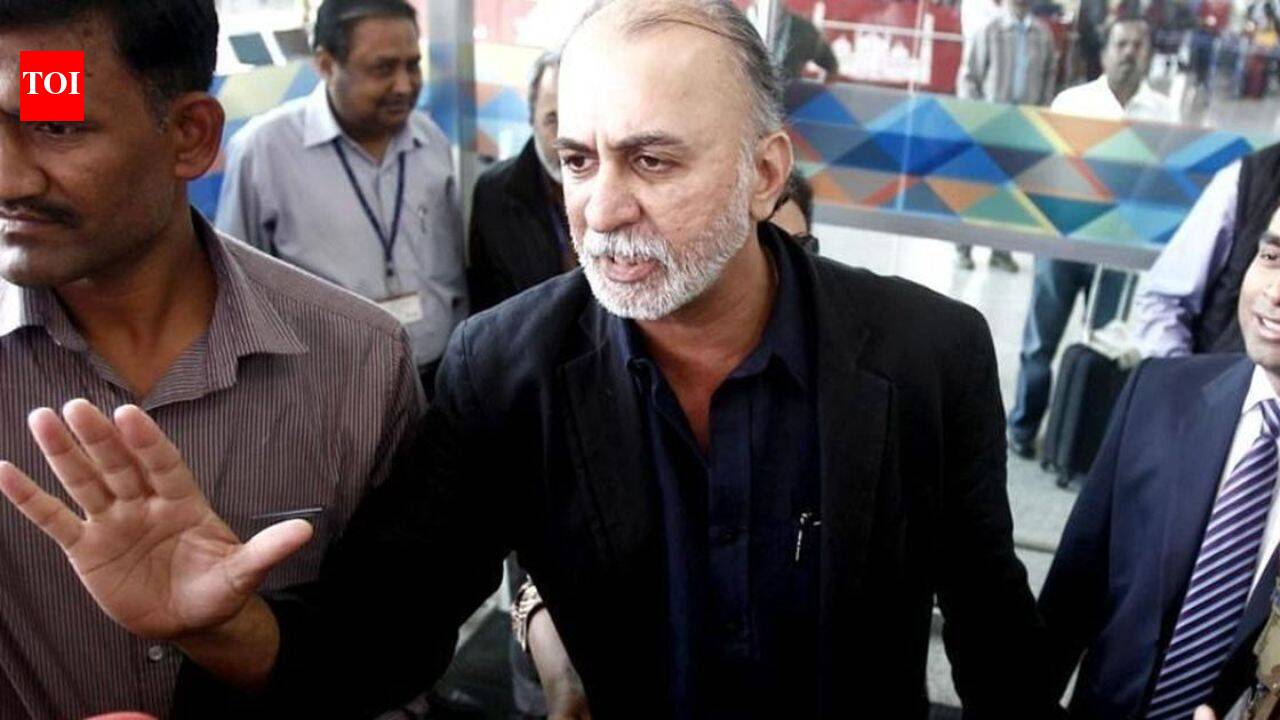
NEW DELHI: The Bombay high court’s on Thursday sentenced former Tehelka editor-in-chief Tarun Tejpal to 10 years’ rigorous imprisonment in the 2013 rape case involving his former junior colleague, hours after overturning his acquittal by a Goa trial court.The high court granted Tejpal two weeks to surrender before the authorities.The sentence comes nearly 13 years after the alleged incident during the ThinkFest event in Goa, where Tejpal was accused of sexually assaulting a junior colleague inside a hotel elevator.Earlier in the day, the high court convicted Tejpal, allowing the Goa government’s appeal against his acquittal by a sessions court in May 2021.The appeal was heard by Justices Dr Neela Gokhale and Amit Jamsandekar of the Bombay High Court’s Goa bench.During the proceedings, Solicitor General Tushar Mehta, appearing for the Goa government, argued that the trial court had erred by judging the complainant’s conduct based on preconceived notions of how a survivor of sexual assault should behave.He submitted that there is no universal standard governing the reaction of a sexual assault survivor, as responses vary depending on an individual’s education, personality, social background and circumstances. Mehta also argued that the trial court gave undue weight to minor inconsistencies in the complainant’s statements instead of examining whether her core allegations remained consistent.Referring to an email sent by Tejpal to the complainant after the alleged incident, the Solicitor General argued that the accused had apologised for his “lapse of judgment”, expressed shame and stated that he believed the encounter had been consensual.
Join conversation
Share your thoughts in the comments
Be respectful · TOI community guidelines
According to the prosecution, those statements amounted to an admission that an encounter had taken place.The defence, led by senior advocate Abad Ponda, argued that the prosecution had misinterpreted the apology emails as admissions of a sexual encounter.Ponda submitted that none of the emails contained any admission of a consensual physical or sexual encounter and that the references related only to a consensual verbal conversation of a sexual nature.The defence also questioned the complainant’s credibility, arguing that her conduct before and after the alleged incident, along with emails, WhatsApp messages and documentary evidence, contradicted the prosecution’s case.