

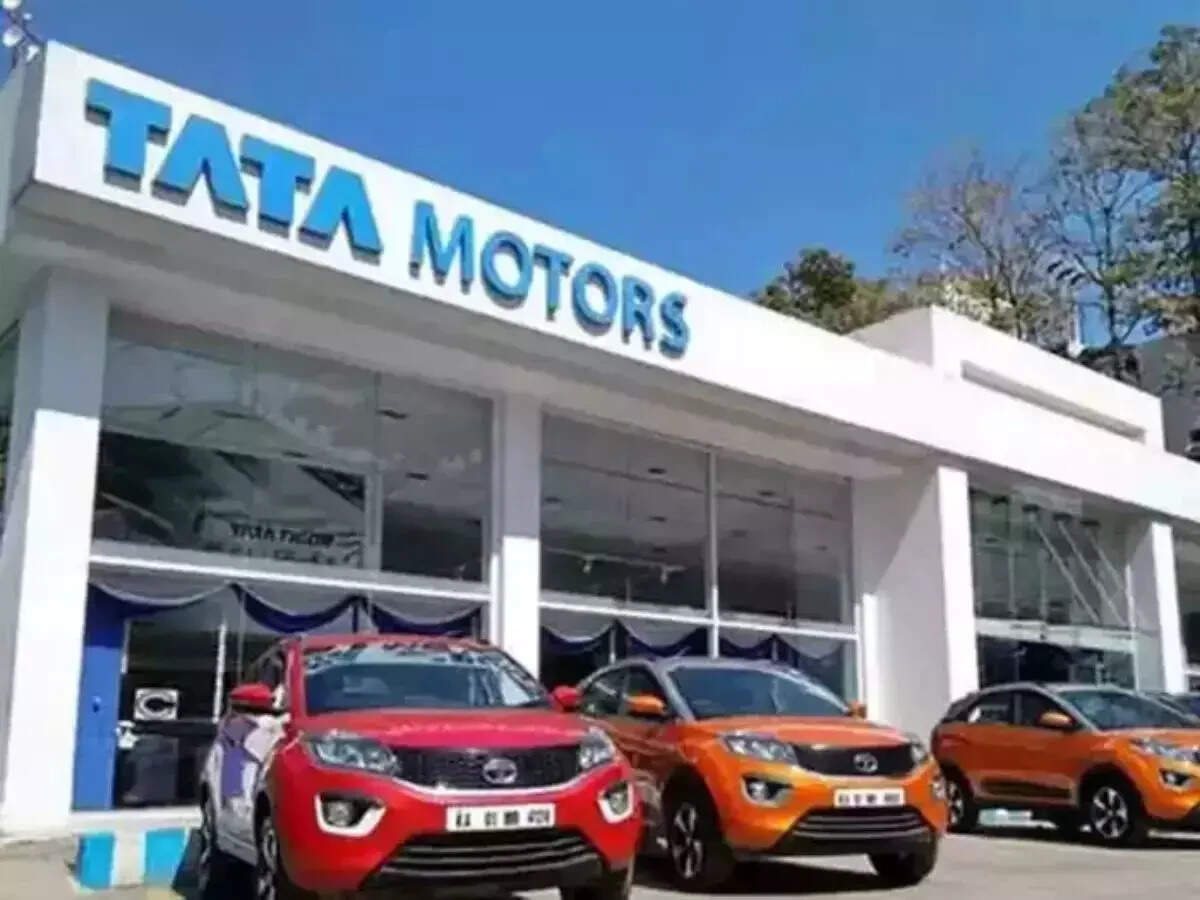
 Tata Motors is set to invest up to ₹40,000 crore over five years, aiming to nearly double its passenger vehicle capacity and introduce new models.
Tata Motors Passenger Vehicles Ltd (TMPV) plans to invest ₹37,500-40,000 crore over the next five years to expand capacity by nearly 45 per cent and introduce several new models as part of its strategy to double annual sales to more than 1.2 million units.
India’s second-largest passenger vehicle maker is targeting a 20 per cent share of the domestic market by FY31, according to an investor presentation Tuesday. It plans to add six new nameplates to expand its car portfolio to 15 models, and boost annual capacity to 1.3 million units in the coming two to three years from 900,000 currently.
Managing Director and CEO Shailesh Chandra said the domestic passenger vehicle market is expected to grow from 4.7 million units in FY26 to 6.4 million units by FY31, driven by rising incomes, faster replacement cycles and growing demand for premium vehicles. The median industry selling price is projected to rise to around ₹15 lakh by FY31 from ₹11-12 lakh in FY26, according to the company.
TMPV is aiming to enhance annual sales to more than 1.2 million vehicles by FY31, from 640,000 units last fiscal year. Most of this incremental growth is expected to come from electric vehicles (EVs) and CNG models. The company is targeting more than 30 per cent EV penetration in its portfolio by FY31 by expanding the EV lineup to 10 nameplates from six currently.
India’s electric car market leader sold more than 92,000 EVs in FY26 and has crossed cumulative sales of 300,000 EVs since inception. Tata Motors estimates the domestic EV market will exceed 1 million units annually by FY31, translating into 15-20 per cent industry penetration. The company believes that nearly half of the industry’s incremental growth over the next five years will come from EVs.
To strengthen its EV leadership, Tata Motors is planning new launches, including Sierra. ev and Avinya-based products, while continuing to improve battery technology, charging speeds and driving range. Its roadmap includes battery packs of more than 75 kWh, up to three times faster charging, 20-23 per cent higher energy density, and integrated powertrain technologies. The company also expects to address key adoption barriers such as price premium, charging infrastructure, ownership confidence and real-world range.
Chandra said the future of the Indian automobile market will be increasingly multi-powertrain, with EVs and CNG vehicles expected to account for more than 45 per cent of industry volumes by FY31, supported by favourable regulations, expanding infrastructure and changing consumer preferences.
Chief financial officer Dhiman Gupta said TMPV is targeting revenue of around ₹1.4 lakh crore by FY31, more than double from ₹58,500 crore in FY26, and a 10 per cent EBITDA margin and an EBIT margin of more than 5 per cent. The company expects capex to remain at about 7 per cent of revenue through the period and sees strong free cash flow generation after the investment phase, supported by operating leverage, structural cost reductions, and improving EV profitability beyond the production-linked incentive (PLI) regime.
At the group level, Tata Motors said it aims to leverage synergies between its India-focused passenger vehicle business and British luxury car unit Jaguar Land Rover in areas such as batteries, supplier ecosystems, software and digital technologies, strategic partnerships and overseas market expansion. These synergies would support its ambition of transforming into an integrated global auto major over the next five years, according to the company.