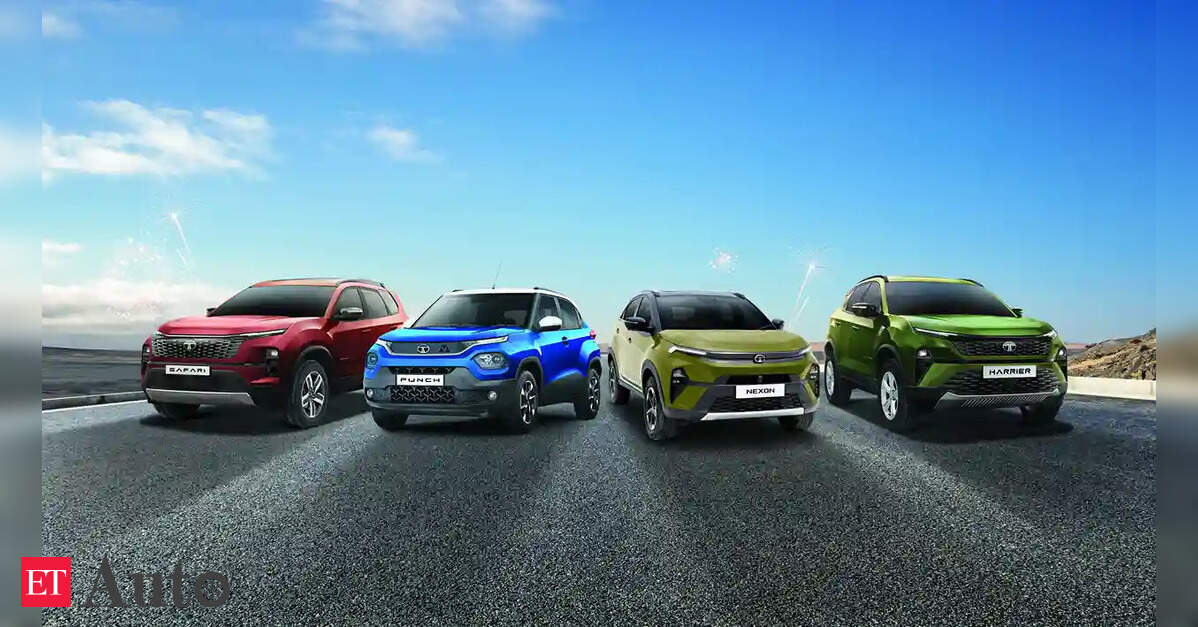

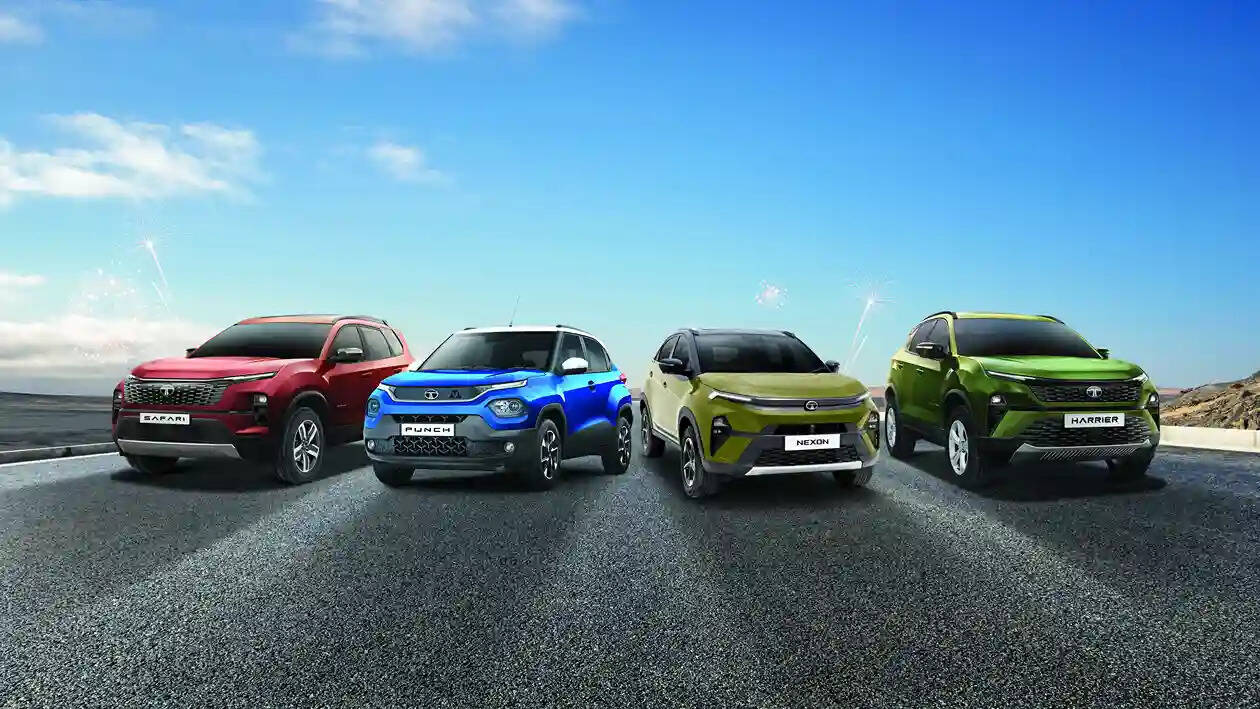
 The company plans to boost production capacity to 1.3 million units and expand its sales and service networks significantly.
Tata Motors Passenger Vehicles on Tuesday said that it expects revenue to exceed ₹6 lakh crore by fiscal year 2031, with an earnings before interest and tax (EBIT) margin of 10 per cent. Under its growth outlook, the company is targeting sales of more than 1.2 million units, driven largely by electric vehicles (EVs) and compressed natural gas (CNG) models.
The automaker targets an annual production capacity of 1.3 million within the next 2-3 years from the current capacity of nine lakh units.
Under key levers for increasing capacity, Tata Motors plans to undertake investment into new facility to expand overall capacities and carry out structural expansion of key shops across existing facilities to maximize throughput. It also plans flexible and fungible manufacturing facilities across plants and ramping up supplier capacities in line with its volume aspirations.
The company currently sells about 640,000 passenger vehicles annually and expects EVs and CNG vehicles to contribute a significant share of the more than 600,000 incremental units planned over the next five years.
The company also plans to double its sales network to 3,200 outlets and expand its service network to more than 3,000 touchpoints by FY31.
EV penetration
As part of its strategy, Tata Motors is aiming for more than 30 per cent EV penetration in its passenger vehicle portfolio by FY31 while expanding its EV lineup from six models currently to 10 nameplates. The company with India’s widest EV portfolio also plans to strengthen its position in the CNG segment and is targeting more than 25 per cent market share.
The automaker plans structural cost reductions of 5-6 per cent in internal combustion engine vehicles over the next two years while pursuing additional cost-cutting measures in EVs to offset the gradual decline of production-linked incentive (PLI) benefits.
TMPV said product actions, capacity expansion, network growth, technology upgrades and quality improvements will be key pillars of its strategy as it seeks to strengthen its position in India’s passenger vehicle market over the remainder of the decade.