
- Return loads now take days, unlike previous 24-hour waits.
Diesel prices have risen by Rs 7.50 per litre between May 15 and May 25, including a Rs 2.71 per litre hike on Monday. But freight rates on major routes have barely moved. The market has left truckers with no bargaining power despite increasing operating costs.
Industry bodies say there are simply too many trucks chasing too little cargo, and this demand-supply gap is widening.
Idle Trucks, Shrinking Cargo
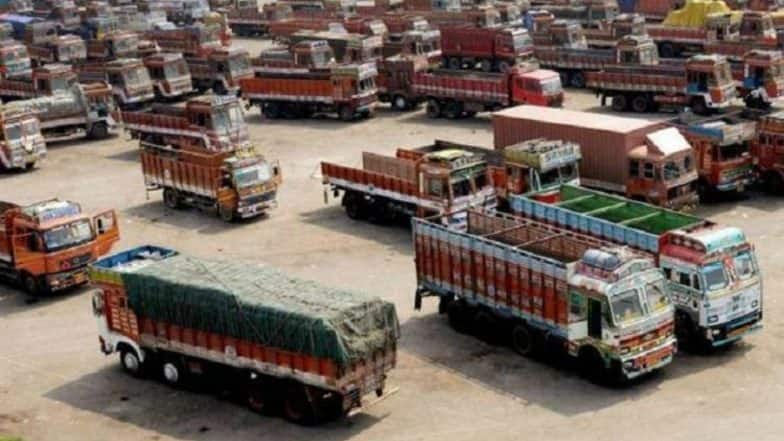
The All India Motor Transport Congress (AIMTC) estimates that of roughly 9 million trucks in India, nearly 20 to 25 per cent are currently sitting idle, as reported by The Financial Express. That is between 1.8 and 2.25 million trucks with no loads to carry.
The problem has been building for months. Strong commercial vehicle sales between September 2025 and March 2026, driven by easy financing, GST benefits and manufacturer discounts, added large amounts of fleet capacity to the market. At the same time, freight movement from manufacturing and MSME clusters weakened. Transporters are now competing harder for a shrinking pool of available loads.
Waiting Days For A Return Load
The strain shows up in how long trucks sit before finding a return trip. According to the Indian Foundation of Transport Research and Training (IFTRT), trucks on several routes are now waiting three to five days for return loads. A few months ago, that wait was around 24 hours.
“The demand for different destinations was very docile and mixed due to uncertain availability of loads from factory gates,” IFTRT said in its latest market assessment.
Global pressures have made things worse. Crisil Intelligence noted that prolonged uncertainty in trade flows caused by the West Asia conflict has weighed on supply chains, dampening cargo movement across the broader logistics sector.
Also Read: Why Banks Write Off Bad Loans And Why Borrowers Still Owe Money
Costs Up, Rates Flat
Diesel and fuel together make up 50 to 60 per cent of a transporter’s operating costs. That makes freight operators among the most fuel-sensitive businesses in the economy. By Crisil Intelligence’s estimates, a Rs 5 per litre rise in diesel prices would ordinarily require a freight rate increase of 2.5 to 2.8 per cent just to keep operators profitable. A Rs 10 per litre rise would need hikes of 5 to 5.6 per cent.
Neither is happening right now.
“Lower cargo movement from manufacturing clusters and subdued freight availability across industrial value chains contributed to weaker freight realisations for transport operators,” Crisil Intelligence said. It also flagged high fleet availability as a factor driving down rates on long-haul routes, even as costs on tyres and maintenance stayed elevated.
Small Operators Bearing The Brunt
The gap between costs and rates is hitting smaller fleet owners the hardest. Many are running trucks at rates that do not cover expenses, simply to keep cash coming in and meet loan repayments on time.
Harish Sabharwal, national president of AIMTC, told the media organisation: “Truckers are still operating and bearing losses because of EMI obligations. But this situation cannot continue for long.”
Crisil Intelligence warned that the ability to pass on fuel cost increases will be decisive for smaller and mid-sized operators, most of whom are already working on very thin margins.
Also Read: Retirement Planning: How SWPs Create A Monthly Income From Mutual Funds