
Monday, May 11, 2026
36.1 C
New Delhi

Iran Introduces Strait Of Hormuz Transit Tolls, Which Nations Will Have To Pay And How Much?

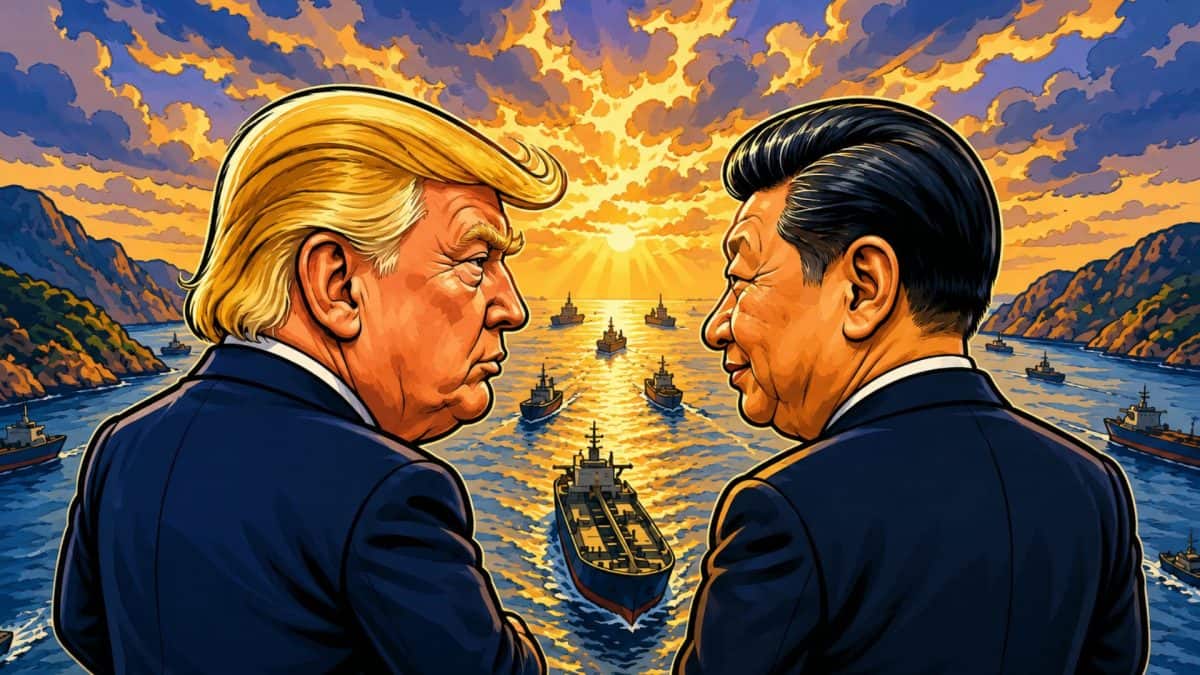
Iran has reportedly introduced a new transit regime for ships passing through the strategically crucial Strait of Hormuz, raising concerns across global shipping and energy markets. According to shipping industry publication Lloyd’s List, vessels will now be required to obtain prior transit authorisation and pay toll fees before entering the waterway. The move comes amid escalating tensions involving Iran, the United States and Israel, with Tehran signalling it will take a tougher stance while continuing to defend its national interests and regional influence.

New Rules For Ships

Iran has reportedly established a new body called the Persian Gulf Strait Authority (PGSA) to regulate vessel movement through the Strait of Hormuz. Under the new framework, ships must secure approval before transit and comply with regulations issued by Iranian authorities.

According to Lloyd’s List, some shipping operators have already paid millions of dollars in fees to obtain passage clearance. One reported payment was estimated at around USD 2 million. However, Tehran has not publicly disclosed the exact toll structure or clarified which countries will be exempt from the charges.

Iran’s Revolutionary Guards-linked Press TV reported on May 5 that vessels intending to pass through the strait would receive official guidance and regulations through the email address info@PGSA.ir

Also Read: Netanyahu Claims Trump Wants To ‘Go In’ Iran To Remove Enriched Uranium, Warns War ‘Not Over’

Iran Signals Tough Position

Iranian President Masoud Pezeshkian said the country would never “bow before the enemy”, stressing that discussions around dialogue or negotiations should not be interpreted as surrender. He said Iran’s objective remained protecting national interests and defending the rights of the Iranian people.

Iran has previously warned that vessels linked to the United States or Israel could be barred from using the Strait of Hormuz. Ships from countries considered “non-hostile” may still be allowed passage, but only after prior coordination and approval from Iranian authorities.

The Strait of Hormuz is one of the world’s most critical oil shipping routes, handling a major share of global crude exports. Any disruption or additional restrictions in the region could increase shipping costs, affect oil prices and add fresh uncertainty to global trade markets.

Also Read: Trump Rejects Iran’s Response To US Peace Proposal, Calls It ‘Totally Unacceptable’
Go to Source

Hot this week

FIFA ready to slash World Cup TV rights price in China; no update on India yet: Report

FIFA officials are reportedly heading to China to finalise a broadcast deal for the 2026 World Cup, and even willing to slash the original ask by 50%. Read More

‘No shortage of fuels, focus on strategic crisis anticipation’: Key takeaways from West Asia GoM meet

“India has 60 days of crude oil, 60 days of Natural Gas and 45 days of LPG rolling stock. Read More

The 1973 Playbook: What Governments Do During Oil Shocks — And What India Is Already Doing

The last time the global economy faced such a shock was in 1973, when an oil embargo by Arab producers triggered a fourfold spike in prices. Read More

White House Press Gala Shooting: Suspect Pleads Not Guilty To Attempt To Assassinate Trump

If convicted, Allen (31) could face a maximum sentence of life imprisonment. Read More

Why Eurovision’s fallout over Israel may change the competition forever

As final preparations take shape for this week’s 70th song contest in Vienna, Eurovision now finds itself yet again unable to focus entirely on the songs, the pyrotechnics, the staging, the choreography, the glitter, the fun and the parties. Read More

Topics

FIFA ready to slash World Cup TV rights price in China; no update on India yet: Report

FIFA officials are reportedly heading to China to finalise a broadcast deal for the 2026 World Cup, and even willing to slash the original ask by 50%. Read More

‘No shortage of fuels, focus on strategic crisis anticipation’: Key takeaways from West Asia GoM meet

“India has 60 days of crude oil, 60 days of Natural Gas and 45 days of LPG rolling stock. Read More

The 1973 Playbook: What Governments Do During Oil Shocks — And What India Is Already Doing

The last time the global economy faced such a shock was in 1973, when an oil embargo by Arab producers triggered a fourfold spike in prices. Read More

White House Press Gala Shooting: Suspect Pleads Not Guilty To Attempt To Assassinate Trump

If convicted, Allen (31) could face a maximum sentence of life imprisonment. Read More

Why Eurovision’s fallout over Israel may change the competition forever

As final preparations take shape for this week’s 70th song contest in Vienna, Eurovision now finds itself yet again unable to focus entirely on the songs, the pyrotechnics, the staging, the choreography, the glitter, the fun and the parties. Read More

The Beatles will open a museum on the site of their last gig

The band will recreate their recording studio and share unseen memorabilia in London’s Savile Row. Read More

Dua Lipa sues Samsung for $15m over use of her image on TV boxes

The pop star’s legal team alleges a photograph of her face was used on Samsung television boxes without permission. Read More

Ofcom partially upholds police watchdog complaint about BBC’s Chris Kaba doc

On Monday, Ofcom said while the programme makers had been fair regarding Naseem’s comments, they did not give the IOPC a proper chance to respond to further criticisms by former Metropolitan Police assistant commissioner Neil Basu, and former a Read More

Related Articles