


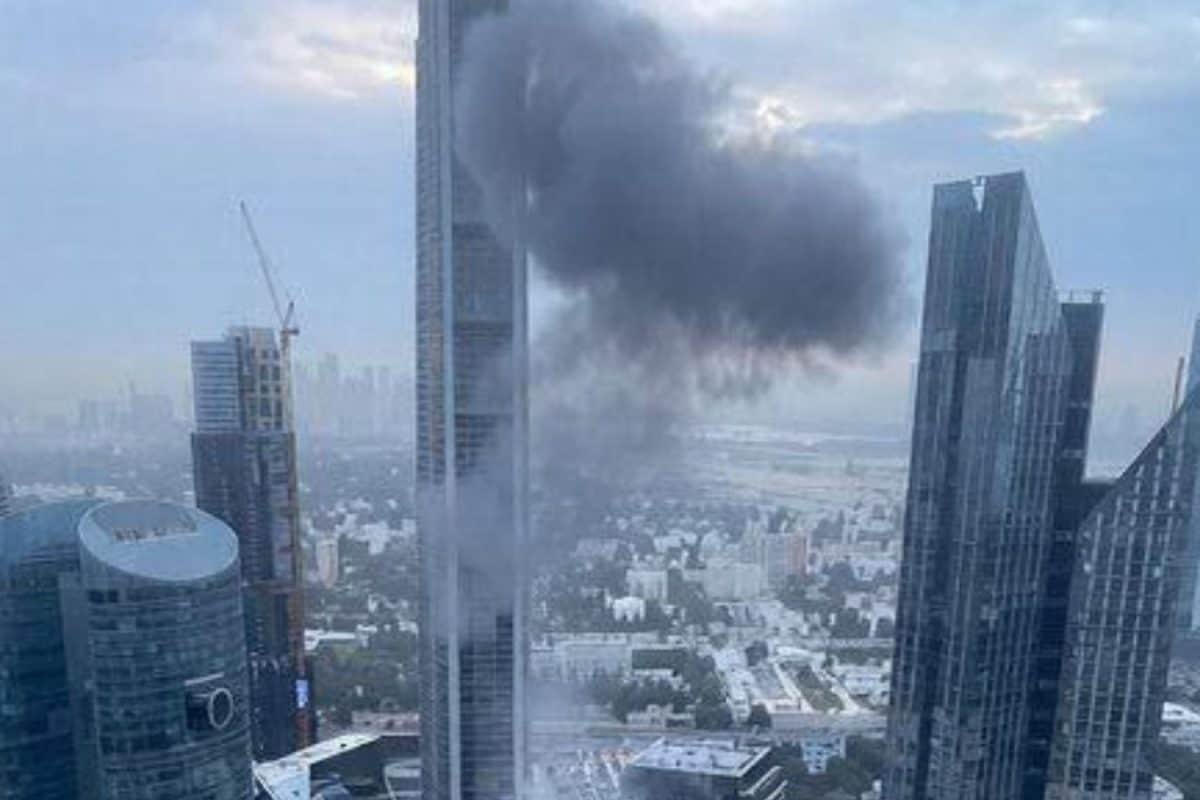
The Middle East conflict has entered its 14th day with escalating attacks between Iran, Israel, and the United States, while the war’s economic impact is now reshaping global energy policy. In a major move, the administration of Donald Trump has temporarily lifted restrictions on crude oil exports from Russia for 30 days, allowing countries worldwide to purchase Russian oil. The decision comes amid fears of a global energy crisis as tensions around the strategic Strait of Hormuz threaten nearly 20% of the world’s oil supply. Meanwhile, intense military operations continue across the region. Israeli and American strikes have caused extensive destruction in Tehran, where residential neighborhoods and infrastructure have reportedly been reduced to rubble. Iran has responded with waves of missile and drone attacks targeting Israeli territory and U.S. positions across the Gulf. Iran’s Supreme Leader Mojtaba Khamenei has vowed retaliation, warning that Tehran will avenge those killed in the strikes and could keep the Strait of Hormuz blocked. With casualties rising and millions affected, analysts warn the conflict could evolve into a wider regional war impacting global security and energy markets.

Global War Alert: US Lifts Russia Oil Ban as Iran Retaliates, Tehran Devastation Deepens
Previous article
Next article
