


Tensions between United States and Iran have escalated once again after reports emerged suggesting that Washington could launch a limited military strike against Tehran in the coming days. According to a report by The Wall Street Journal, American officials believe negotiations over Iran’s nuclear program have failed to make meaningful progress, increasing the possibility of renewed confrontation. The report claims Iran has refused to accept key American demands, including suspending or shutting down parts of its nuclear program. In response, the administration of Donald Trump is reportedly considering a restricted military operation aimed at increasing diplomatic and strategic pressure rather than triggering a full-scale war. The developments come amid growing global concern over instability in the Middle East and fears of another major geopolitical crisis affecting oil prices, trade routes, and international markets. Analysts believe any fresh military action, even if limited, could further strain relations and push the region closer to prolonged conflict. At the same time, Iran is said to have hardened its position by demanding the release of frozen assets, removal of economic restrictions, and compensation before agreeing to any major compromise with the United States. These demands are reportedly viewed as unacceptable by Washington, creating a diplomatic deadlock. Political observers say the current situation resembles a strategic standoff in which neither side appears willing to retreat. The uncertainty has also revived concerns over inflation and global economic pressure, particularly if tensions impact energy supplies or trigger retaliatory actions in the region. The international community is now closely watching diplomatic developments, with calls growing for European and Asian powers to intervene and help prevent another military escalation in the Middle East.
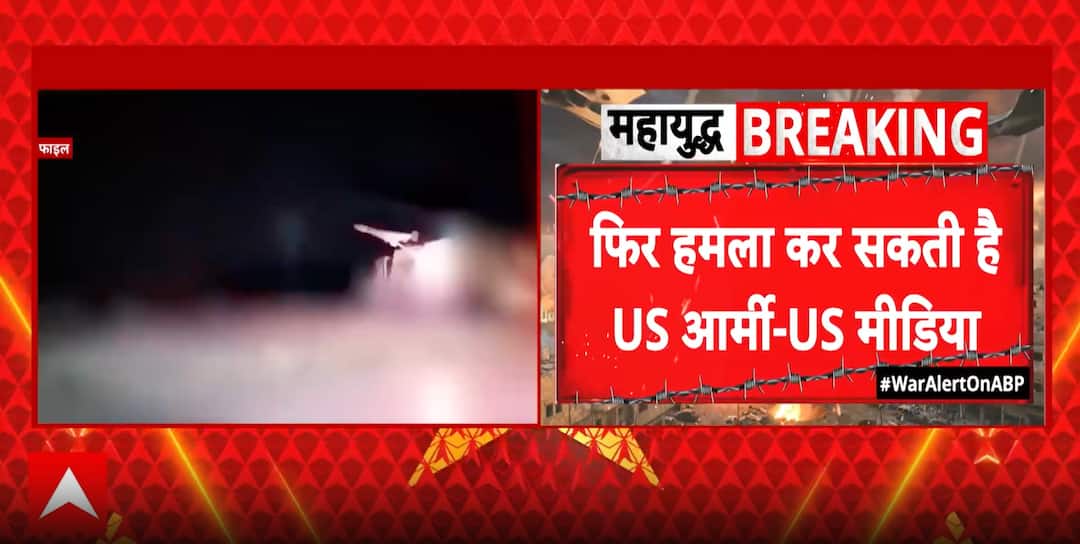
World Alert: Trump Renews Iran Threat as US Media Reports Possible Limited Strike in Coming Days Ahead
Previous article

Next article
