
- Director of National Intelligence Tulsi Gabbard resigns June 30.
- Tensions over Iran policy appeared to trigger clashes.
- Gabbard faced exclusion from key security decisions.
- She is the fourth woman to exit administration recently.
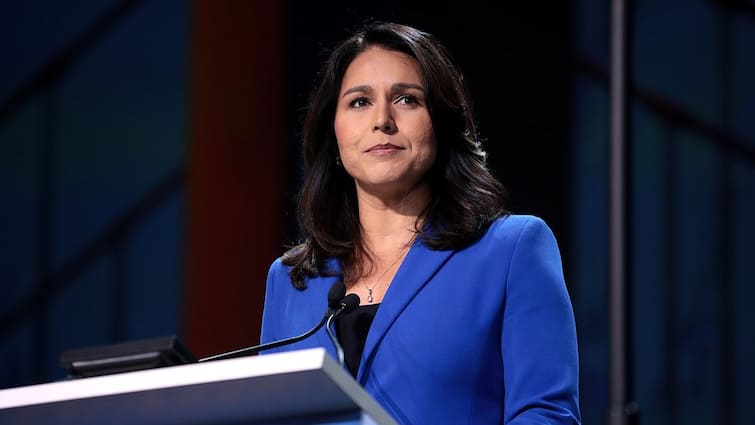
Tulsi Gabbard has resigned as the US director of national intelligence after a turbulent tenure marked by mounting tensions inside Donald Trump’s administration and her apparent exclusion from key national security decisions.
In a resignation letter addressed to the US president, Gabbard said she would step down from the post on June 30. “While we have made significant progress … I recognise there is still important work to be done,” she wrote.
Reports surrounding her departure quickly fuelled speculation about deepening divisions within the administration. Reuters, citing a source familiar with the matter, reported that the White House had forced Gabbard to resign. Fox News, which first reported the development, said her husband’s cancer diagnosis had influenced the decision.
Trump Praises Gabbard Despite Reports of Internal Friction
Despite reports of growing dissatisfaction inside the White House, Trump publicly praised Gabbard while confirming her departure on Friday.
“Unfortunately, after having done a great job, Tulsi Gabbard will be leaving the Administration on June 30th,” Trump wrote on his Truth Social platform. He added that she “has done an incredible job” and would be missed by the administration.
The president also announced that Aaron Lukas, the principal deputy director of national intelligence, would take over as acting director of national intelligence. Behind the scenes, however, questions over Gabbard’s future had reportedly been building for weeks. According to two people briefed on internal discussions, Trump had asked cabinet members last month whether she should be replaced.
ALSO READ | US-Iran Peace Talks See ‘Slight Progress’ Amid Ceasefire: Rubio
Iran Clash Deepened Divide Between Trump, Gabbard
Signs of Gabbard’s diminishing influence became increasingly visible during escalating tensions involving Iran.
Last June, Trump backed Israel’s decision to strike Iran before the US later joined the conflict by bombing Iranian nuclear facilities. The move directly contradicted Gabbard’s earlier testimony before Congress, in which she had stated that Iran was not building a nuclear weapon.
Trump publicly dismissed her assessment, saying he did not care what she had said and calling her conclusions “wrong”. The remarks were widely viewed as a sharp public rebuke of one of his senior intelligence officials and underscored her weakening standing within the administration.
Efforts to Rebuild Standing With Trump
In the weeks that followed, Gabbard appeared to make a concerted effort to regain Trump’s confidence.
She publicly called for former president Barack Obama and several senior national security officials from his administration to face prosecution. Gabbard alleged they had carried out a “treasonous conspiracy” by falsely portraying Russia as interfering in the 2016 US election in Trump’s favour.
Obama denied the allegations.
ALSO READ | Strait Of Hormuz Standoff Deepens As US-Iran Deadlock Triggers Global Alarm
Exclusion From Key Decisions
Gabbard appeared increasingly absent from major national security developments. She was reportedly excluded from discussions surrounding the seizure of Venezuelan President Nicolás Maduro in January and was similarly missing from key decisions and public messaging tied to renewed military strikes on Iran in February.
Her apparent sidelining strengthened concerns raised by critics when she was first nominated after Trump’s November 2024 election victory. Detractors had questioned her qualifications to oversee the country’s 18 intelligence agencies, pointing to her repeated amplification of Kremlin talking points regarding Russia’s war in Ukraine and her controversial 2017 meeting with former Syrian president Bashar al-Assad.
Gabbard’s critics also revisited earlier comments made by Hillary Clinton, who had suggested the former Democratic congresswoman was being “groomed” by Russia. Gabbard, who left the Democratic Party in 2022, had long rejected such allegations.
Fourth Woman To Leave Trump Administration
Her resignation marks another high-profile departure from Trump’s cabinet. Gabbard becomes the fourth woman to leave the administration in just over two months.
Her exit follows the removal of former Homeland Security Secretary Kristi Noem in March, the firing of Attorney General Pam Bondi in April, and the resignation of labour secretary Lori Chavez-DeRemer later that same month amid misconduct allegations.