- Iran and US representatives to meet in Islamabad for new talks.
- Previous Islamabad talks failed, leading to blame between nations.
- Pakistan’s PM and Army Chief engaged in parallel diplomatic efforts.
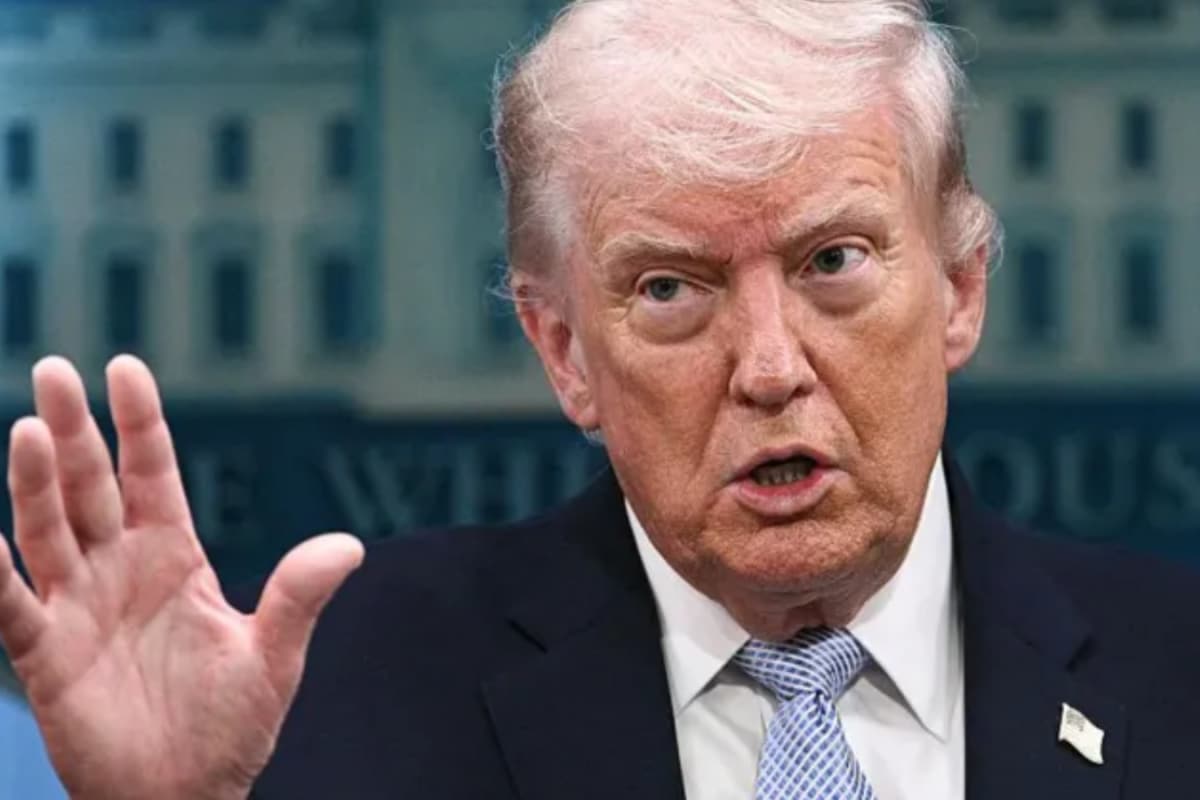
- US President Trump expressed optimism for ongoing negotiations.
A fresh round of negotiations between Iranian and American representatives is expected to take place in Islamabad on Monday, CNN reported.
Delegations from both sides are likely to arrive a day earlier, indicating preparations for structured, high-level engagement, the report noted, citing sources familiar with the matter.
The planned discussions follow earlier rounds in Islamabad that failed to produce a conclusive outcome, resulting in a blame game between US and Iran.
The development reflects intensifying international efforts to reduce tensions in West Asia and revive stalled dialogue on key security concerns, including Tehran’s nuclear programme.
Parallel Diplomatic Engagements
The upcoming talks coincide with broader diplomatic coordination involving regional and global actors. Qatar’s Emir Sheikh Tamim bin Hamad Al Thani and Turkish President Recep Tayyip Erdogan recently held discussions with Pakistan’s Prime Minister Shehbaz Sharif on the margins of the Antalya Diplomacy Forum.
These conversations focused on “international efforts aimed at de-escalation and advancing diplomatic solutions,” underscoring Pakistan’s emerging role as a mediator.
“The Emir and the Turkish President commended the efforts undertaken by the Islamic Republic of Pakistan in this regard, and expressed their support for the efforts of the prime minister,” Qatar’s Amiri Diwan said.
Pakistan’s Army Chief Asim Munir also met Iranian Parliament Speaker Mohammad Bagher Ghalibaf in Tehran, signaling a coordinated effort to revive dialogue. Munir’s visit, which included engagements with Iranian Foreign Minister Abbas Araghchi, is viewed as groundwork for facilitating the next phase of negotiations.
Round 1 Of Islamabad Talks Collapse
The earlier Islamabad Peace Talks held on April 11–12 were described as historic, marking the first direct, high-level interaction between the two sides since the 1979 Islamic Revolution.
Despite their significance, those discussions ended without a breakthrough, leaving several contentious issues unresolved. However, a 10-day ceasefire between Israel and Iran-backed Hezbollah was later announced. This was seen as a potential step toward broader de-escalation.
Trump Signals Optimism
US President Donald Trump has expressed cautious optimism regarding ongoing negotiations. Speaking after arriving in Phoenix, he noted, “We’ve had some very good discussions … and we’ve done a good job, but we’ll see. Talks are going on, and we’ll go on over the weekend.”
“A lot of good things are happening, and that includes Lebanon, too,” he added.
Addressing concerns over unresolved differences, Trump said, “If there are, we will have to straighten it out. I don’t think there’s too many significant differences.”
He also indicated that the US naval blockade on Iranian ports could be lifted contingent on a final agreement, stating it would end once an “agreement is signed.”