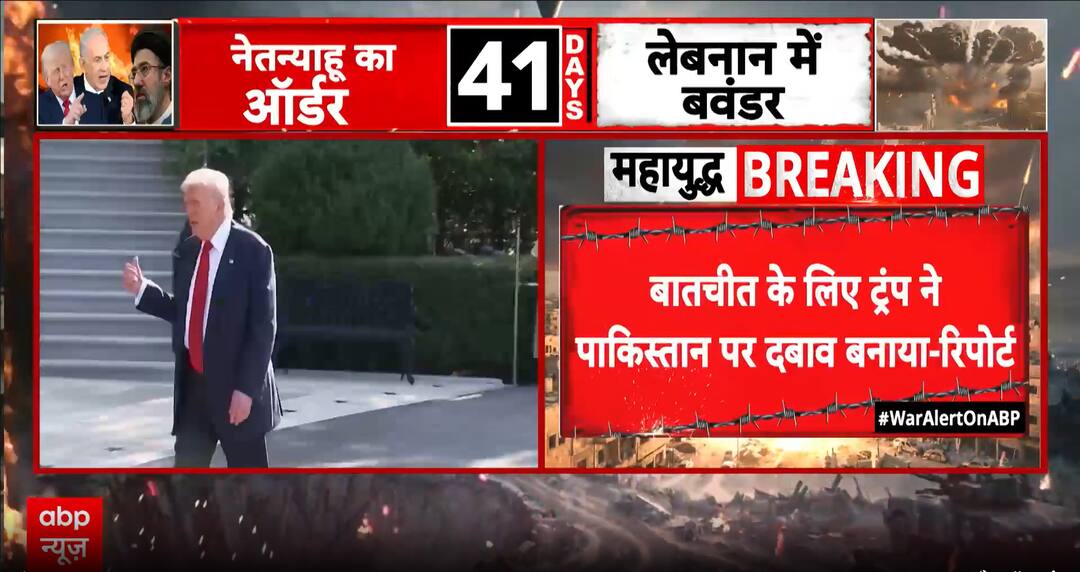
A ceasefire between Iran, Israel, and the United States was declared yesterday, but tensions remain high as Israel continues airstrikes on Lebanon. Over the past 24 hours, at least 254 civilians have been reported dead and 1,665 injured, according to the Lebanese Ministry of Health. Over 1 million people are displaced, and hospitals are overwhelmed, straining the country’s healthcare infrastructure. Despite claims from Washington and Tehran that the ceasefire is holding, both sides continue to dispute its terms. Iran has condemned the attacks on Lebanon, warning that violations could collapse the truce and escalate the conflict. Israel has defended its operations, targeting Hezbollah positions, and Prime Minister Benjamin Netanyahu stated that the country is prepared for renewed hostilities if negotiations fail. The ceasefire’s limitations are also evident in the Strait of Hormuz, where Iran temporarily blocked maritime traffic, further heightening regional tensions. US Vice President JD Vance is set to travel to Pakistan to facilitate peace talks between Iran and Israel, joined by special envoys including Steve B. and Jared Kushner. The first face-to-face negotiations since February 28 are scheduled for April 11 in Islamabad. As the conflict persists on the ground in Lebanon, with civilian areas and infrastructure under attack, the international community closely monitors the situation. The coming days will determine whether the ceasefire can transform into a lasting peace agreement or if renewed hostilities are imminent.

CEASEFIRE FALTERS: Israel Strikes Lebanon Despite US-Iran-Israel Agreement; 254 Dead
Previous article

Next article