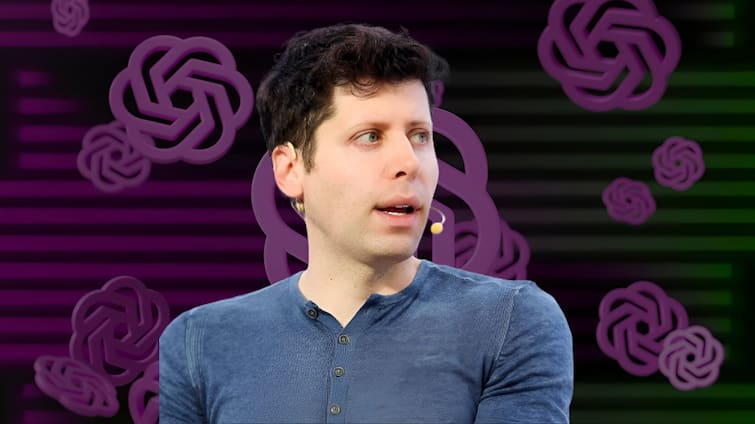

The ongoing tensions between the United States, Israel, and Iran have sparked discussions beyond military developments. The situation has also drawn attention to the role of American artificial intelligence companies, especially OpenAI and Anthropic. Recently, OpenAI came under criticism after it entered into a partnership with the US Department of Defence. The move quickly became a topic of debate on social media, where many users questioned the company’s decision.
As the criticism grew, a noticeable reaction followed. Reports suggested that a large number of users began uninstalling OpenAI’s ChatGPT app, leading to a sharp rise in uninstall figures. OpenAI CEO Sam Altman later responded to the backlash and addressed the concerns raised online.
Why Did ChatGPT Uninstallations Increase After OpenAI’s Pentagon Partnership?
The controversy began when OpenAI signed an initial agreement with the Pentagon shortly after Anthropic’s contract with the US Department of Defence ended. The decision attracted strong reactions across social media platforms, with many users expressing concerns about the involvement of AI technology in defence-related activities.
According to data from Sensor Tower, uninstallations of the ChatGPT app surged significantly on February 28. The number reportedly increased by 295% compared to the previous day.
At the same time, Anthropic’s Claude chatbot saw a rise in popularity. Downloads of Claude increased by 51%, and the app moved to the number one position on the Apple App Store in the United States.
The reaction was not limited to general users. Pop star Katy Perry also commented on the issue through a post on X. She shared a screenshot of Claude along with a heart emoji, a gesture that many interpreted as support for Anthropic’s stance against Pentagon demands.
What Did Sam Altman Say About OpenAI’s Decision?
Following the criticism, OpenAI CEO Sam Altman posted on X and acknowledged that the company could have taken more time before entering into the partnership with the US Department of Defence. He explained that OpenAI had now updated its contract with the Pentagon and clarified its principles.
Altman stated that the quick decision was partly intended to avoid increasing tensions between the US Defence Department and the AI industry. However, he admitted that the situation eventually appeared opportunistic and disorganised.
Altman also shared an internal memo outlining new restrictions. According to the memo, OpenAI’s systems cannot be used for large-scale domestic surveillance of American citizens. This limitation is based on legal provisions, including the Fourth Amendment, the National Security Act of 1947, and the FISA Act of 1978.