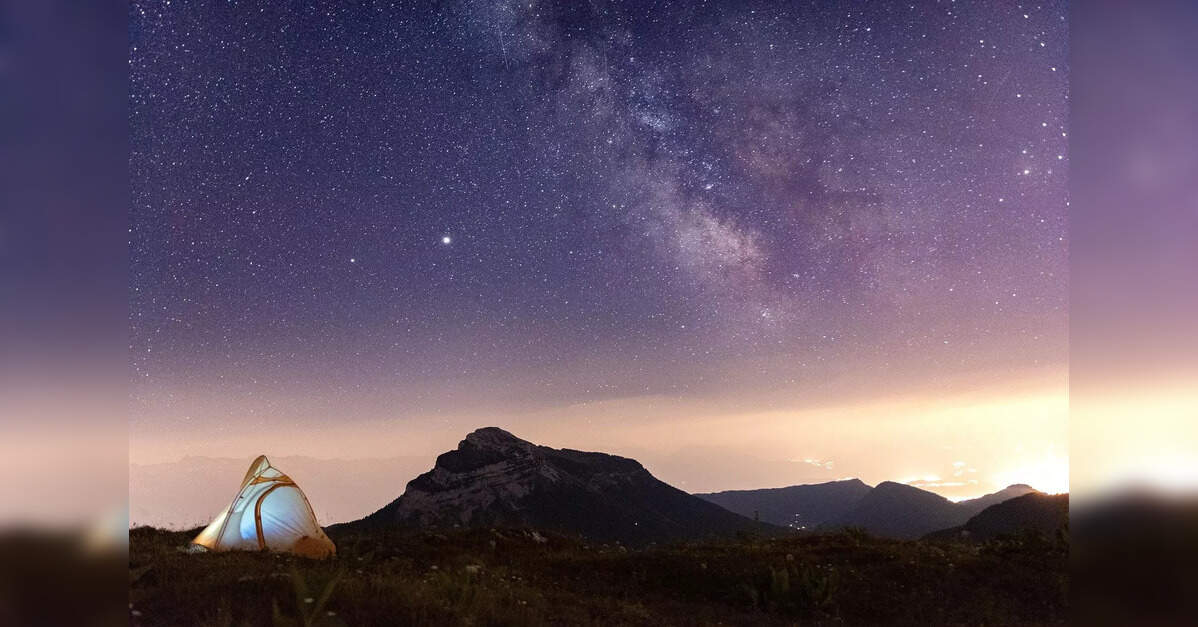

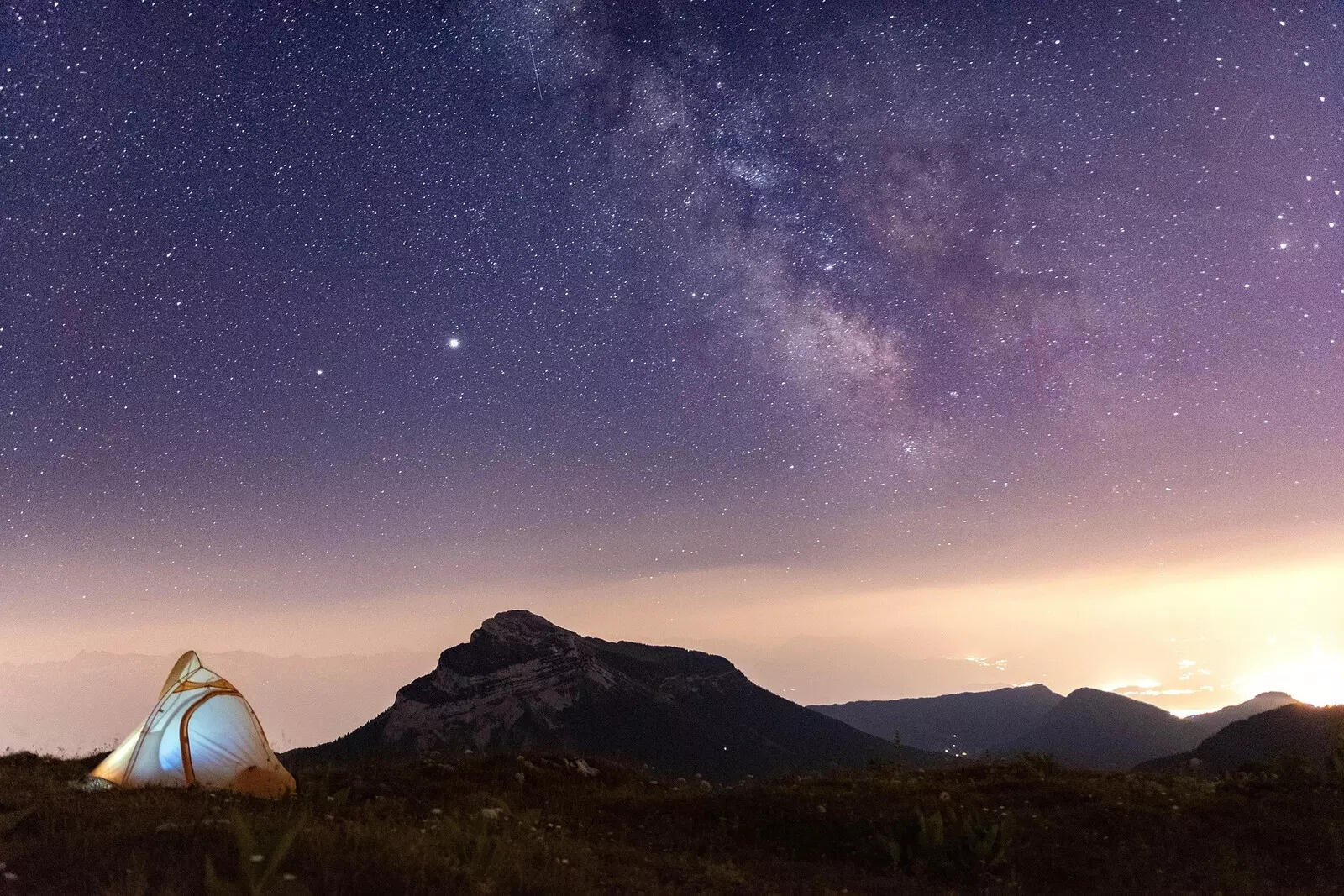
Kaziranga National Park and Tiger Reserve (KNPTR) is promoting astro-tourism as a way to extend visitor stays without adding pressure on the park’s core wildlife habitats, officials said. While astro-tourism is well established in the West, it is still emerging in India.
This week, KNPTR hosted the two-day “Cosmic Kaziranga – Stargazing & Astro-guide Training Camp” at Rhinoland Park, Burrapahar, positioning dark-sky experiences as an ecologically sensitive addition to existing tourism. The programme focused on diversifying visitor activities and creating youth employment while avoiding increased disturbance in key wildlife areas.
Drawing on models from Chile, New Zealand, Namibia and the Andaman Islands — where dark skies are treated as natural assets — the initiative promoted day-and-night tourism, combining daytime safaris and nature interpretation with guided stargazing after dark. “This approach can extend visitor stays, reduce pressure on core areas, and encourage longer, more meaningful engagement,” said KNPTR field director Sonali Ghosh.
Experts at the camp underlined the need to control light and sound pollution around protected areas, noting that artificial lighting can disrupt wildlife and reduce night-sky visibility. Ghosh said astro-tourism has a future in Kaziranga, particularly around protected areas with low light pollution. “Responsible astro-tourism can therefore support biodiversity conservation and environmental awareness while creating local jobs and reconnecting people with the night sky,” she added.
Officials said “Cosmic Kaziranga” is intended to combine conservation, culture, science and sustainability, and to strengthen Kaziranga’s identity while developing stargazing, astrophotography and astro-tourism as a low-impact model supported by clear, minimally polluted skies. “This initiative united young participants, conservation professionals, frontline women (Van Durga), and astronomy experts to explore how night-sky experiences can complement wildlife tourism, advance conservation, and boost local livelihoods,” Ghosh added.
The camp opened with an evening session for youth participants. Dr Kishor Kumar Baruah, President of the Pragjyotish Amateur Astronomers Association (PRAG), Guwahati, and Dr Jyotimoni Neog Baruah, PRAG Executive Member, spoke on how astro-tourism can combine “learning and earning” through experiential stargazing and cosmic education.
Kishor Kumar Baruah said Kaziranga can offer stargazing and astrophotography linked to the mythological and cultural traditions of Northeast India. “By introducing stargazing and astrophotography, the park invites visitors to immerse themselves in the breathtaking beauty of the night sky,” he said.
Sanjib Kumar Sarma, PRAG Joint Secretary, presented on the Solar System, focusing on planetary and stellar features and encouraging participant interaction. Udhay Bhasker, Founder of Andaman Stargazing, led a practical session on identifying constellations and navigating the night sky, with telescopes set up for observations alongside storytelling and discussions.
Astrophotographer Rajib Lochan Sarma of Cosmic Wonders highlighted the site’s low light pollution for night-sky imaging. “Kaziranga’s unspoiled dark skies unlock astrophotography’s magic, capturing cosmic wonders amid rhino silhouettes. Minimal light pollution elevates it as Assam’s premier stargazing haven.” He added, “Kaziranga National Park offers exceptional astrophotography potential due to its minimal light pollution. The pristine night skies reveal the vivid Milky Way, with constellations blending seamlessly with its wildlife heritage,” he added.