


The internal turmoil within Shiv Sena (Uddhav Balasaheb Thackeray faction) has intensified sharply, with reports confirming that six out of nine Lok Sabha MPs skipped a crucial parliamentary meeting, deepening speculation of a formal split within the party. The leadership has responded by issuing show-cause notices to the absent MPs, demanding explanations within a stipulated timeframe. The controversy has centered around allegations from the rebel camp that the party has drifted away from the ideological principles of Balasaheb Thackeray, particularly its Hindutva stance. According to sources, the dissenting MPs have expressed concern over the party’s evolving political alignments and have cited fears of a potential merger with the Congress party as a key reason behind their decision. These developments come amid a broader political narrative in Maharashtra, where similar ideological justifications were previously used during the split that led to the formation of the Eknath Shinde-led faction. Analysts note that accusations of ideological dilution and alignment with opposing political ideologies have repeatedly played a central role in factional realignments within the party. The Uddhav Thackeray camp has dismissed these claims as politically motivated and has moved ahead with disciplinary action, signaling a shift from internal reconciliation efforts to formal organizational proceedings. Political observers suggest that the coming days will be crucial in determining whether the situation escalates into a full-fledged legal and constitutional battle under anti-defection provisions. Meanwhile, questions remain over how the party will manage internal dissent, public perception, and ground-level worker sentiment amid growing instability. As Maharashtra’s political landscape continues to evolve, the crisis within Shiv Sena (UBT) is emerging as one of the most significant challenges for the faction in recent years.
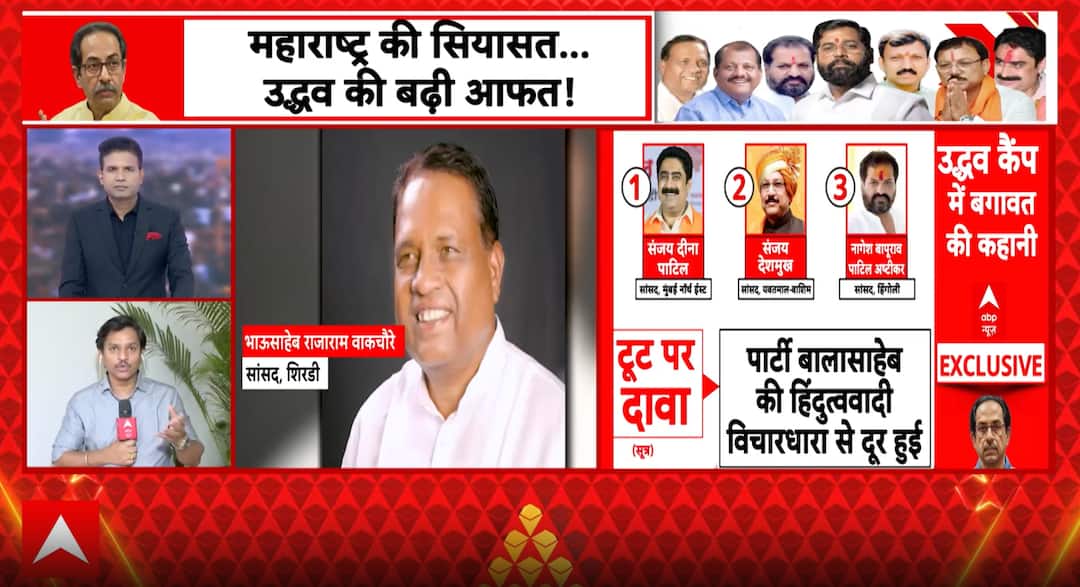
POLITICAL CRISIS: 6 Shiv Sena UBT MPs Rebel Amid Ideology Row, Party Issues Notices
Previous article

Next article
