
PC: Global Times
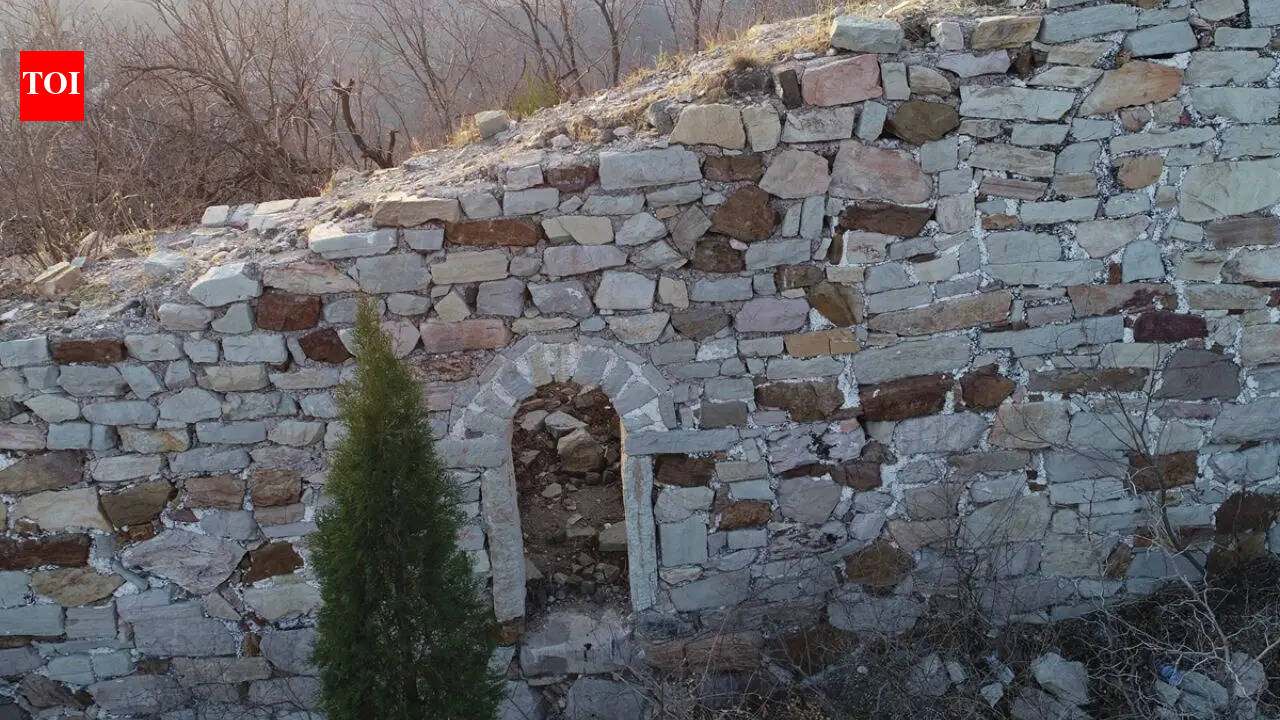
For centuries, the Great Wall of China has stood like a silent scar across mountains and deserts, carrying stories most people will never hear. Tourists see the stone paths and steep watchtowers. Historians see dynasties, wars, and empires. But deep inside one rugged section near Beijing, archaeologists have now uncovered something that seems to pull the wall’s military past into sharp focus again.The discovery reportedly happened during restoration work on the Jiankou section of the wall, an area famous for its dramatic cliffs and crumbling towers. What researchers found there was far more than loose bricks or damaged stone. Hidden within the ancient structure were weapons, turquoise artefacts, traces of food, and even emotional messages left behind by labourers centuries ago. The standout find, experts say, was a massive Ming dynasty cannon weighing roughly 247 pounds.And, strangely, it may also reveal how China and Europe once exchanged military technology long before globalisation became the norm.
A 1632 iron cannon found on the Great Wall may rewrite China’s military history
The biggest discovery was a large iron cannon believed to date back to 1632 during the late Ming dynasty. Archaeologists found it while excavating three watchtowers and nearby wall sections in the Jiankou area as reported by The Global Times.As reported, the weapon measures about 35 inches long and reportedly carries an inscription reading “Chongzhen Year 5,” which corresponds to 1632 CE. Experts from the Beijing Institute of Archaeology say the cannon was unusually well preserved.Researchers noticed similarities between the cannon and European “red-coat” cannons used around the same period. The barrel size and overall structure appear surprisingly close to European artillery designs. Archaeologists now suspect there may have been some exchange of military knowledge between China and Western powers during the late Ming era. It suggests the Great Wall was not just a defensive barrier. It might also have been part of a much larger network of trade, influence, and technological experimentation.
Inside the watchtowers: The everyday lives written into the Great Wall’s foundations
The excavation revealed far more than weapons. Inside Watchtower 118, archaeologists reportedly uncovered heated brick beds and stove remains used by soldiers stationed along the wall. It gives a small but vivid glimpse into daily life during the Ming dynasty. One watchtower even contained an immigration monument dating back to 1573 CE, helping experts better understand when parts of the wall were constructed and occupied.Two separate bricks carried inscriptions related to weight specifications. Researchers say this could reshape previous assumptions about how Ming-era brick kilns operated. The wall was clearly built with stricter organisation than many historians once believed. Another brick carried something much more human. The inscription roughly translates to: “Nothing but alcohol or worry; three years of toil turned my hair white.”It sounds surprisingly modern in a strange way. Exhaustion, stress, frustration. Some things apparently never change.
Ancient crops, medicine, and animal remains
The Great Wall excavation also uncovered traces of crops and medicinal plants once used by people living or working there centuries ago.Experts suggest these remains could help researchers better understand the diets and medical knowledge of Ming dynasty soldiers. Investigators reportedly found evidence of both cultivated crops and herbal materials. Animal bones were scattered across parts of the site, too.Some belonged to domesticated animals. Others appear linked to wild species hunted nearby. Researchers even found signs of butchering activity, which hints that food preparation happened directly inside or near the towers. The discoveries make the site feel less like a cold military structure and more like a living settlement.
Archaeologists uncover turquoise pieces revealing hidden Ming dynasty trade routes
One of the quieter discoveries may actually become one of the most important later on. Archaeologists uncovered 28 turquoise artefacts during the excavation. Early analysis reportedly suggests the stones may have originated from mines in the provinces of Hubei, Henan, and Shaanxi. That matters because it points toward trade routes stretching across northern China.The Great Wall was built for defence, yet the objects found inside it suggest movement, exchange, and cultural interaction happening constantly around it. Experts say the turquoise pieces could offer more evidence of regional trade networks operating during the Ming dynasty.
The Great Wall still has secrets
The Jiankou section of the Great Wall of China has long been considered one of the wildest and least restored areas near Beijing. Steep ridges and dangerous terrain have helped preserve parts of it naturally over time. That may be why discoveries there feel unusually untouched.Researchers believe more excavations could reveal additional military tools, trade items, or personal artefacts hidden inside the ancient structure. Experts involved in the project say the surrounding landscape has barely changed in centuries, making the area ideal for what they describe as “time-travel-style” archaeological research. Go to Source