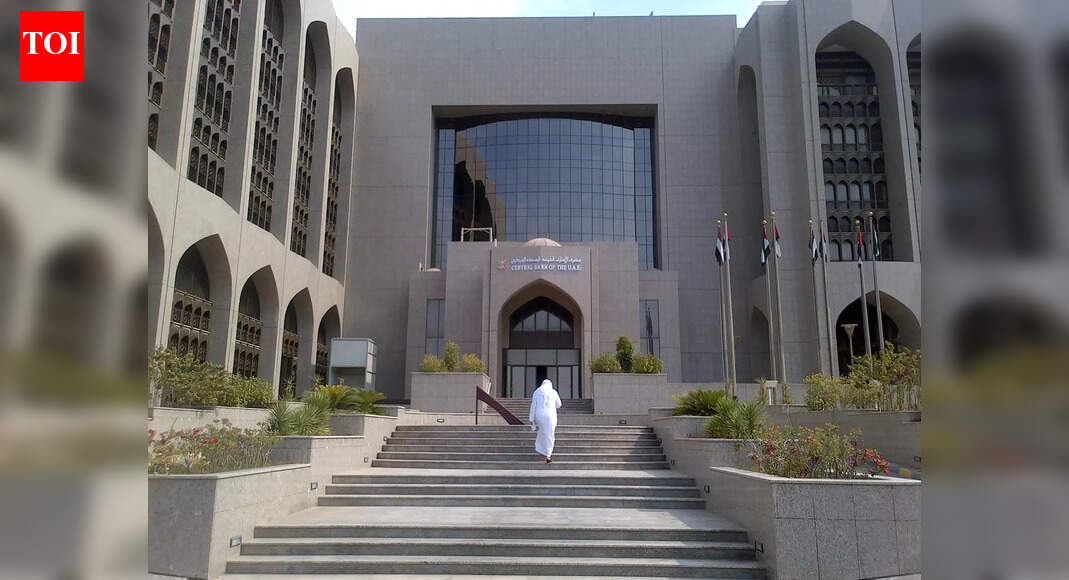


Central Bank rate cut brings relief for UAE borrowers / Image: File
The Central Bank of the UAE lowered its base rate for the Overnight Deposit Facility (ODF) by 0.25 percentage points, from 3.90% to 3.65%, following a similar move by the US Federal Reserve. The cut takes effect immediately and is described by the bank as aligning UAE policy with global rate moves.
What does the UAE Central Bank do?
This is significant for the average person because it marks the third and final policy easing move of 2025. The UAE’s monetary policy mirrors that of the US due to the Dirham’s peg to the US Dollar, a setup that ensures exchange rate stability. When the US Fed cuts rates, the CBUAE follows suit to maintain the currency peg and prevent capital outflow. This latest step is designed to actively support the nation’s pro-growth economic outlook, which is projected to see GDP expand by 4.9% in 2025 and an even stronger 5.3% in 2026.
How does it benefit ordinary citizens?
For families and individuals who own a home or are dreaming of buying one, this rate cut is the most direct piece of good news. When the Base Rate drops, the cost of borrowing for commercial banks also decreases, and they are expected to pass these savings on to their customers.
- New Buyers Benefit: Lower interest rates on home loans mean that your Debt-Burden Ratio (DBR) calculation improves. It becomes easier for first-time buyers and investors to qualify for a mortgage, secure larger loans, and afford higher-value properties.
- Refinancing Opportunities: Existing homeowners who have variable or floating-rate mortgages could see their monthly payments decrease. This is the perfect time to review your current loan terms and consider refinancing to lock in a lower interest rate, potentially saving thousands of Dirhams over the life of the loan (FAB Research).
- The Real Estate Ripple: Financial experts anticipate that cheaper financing will likely boost housing demand across the UAE, particularly in high-demand segments like villas and townhouses, which could see property prices rise as a result of increased buyer confidence.
Cheaper loans, easier credit
Lower policy rates are good news for borrowers, but the effect on savers is mixed. Fixed-rate savings accounts and term deposits already locked in at higher rates won’t change until they mature. New deposits may earn slightly less interest as banks adjust. Meanwhile, variable-rate credit-card interest and overdraft charges could be trimmed, but banks often move these more slowly or keep higher margins. Overall: borrowers win sooner; savers see smaller gains or a delay. For renters: the immediate effect is indirect. Cheaper mortgages can cool rental inflation pressure over time (developers and landlords with mortgage costs may face smaller financing bills), but rent levels depend on supply and demand too, so changes may be gradual.
Why does the bank cut rates?
The UAE follows the US dollar, so its central bank often mirrors US Federal Reserve moves to keep the dirham peg stable. This ODF cut came after the Fed reduced its own benchmark rate, a coordinated move that helps keep borrowing costs aligned internationally. Policymakers say the cut supports growth while inflation prints show signs of easing.