
Source: ETHZ
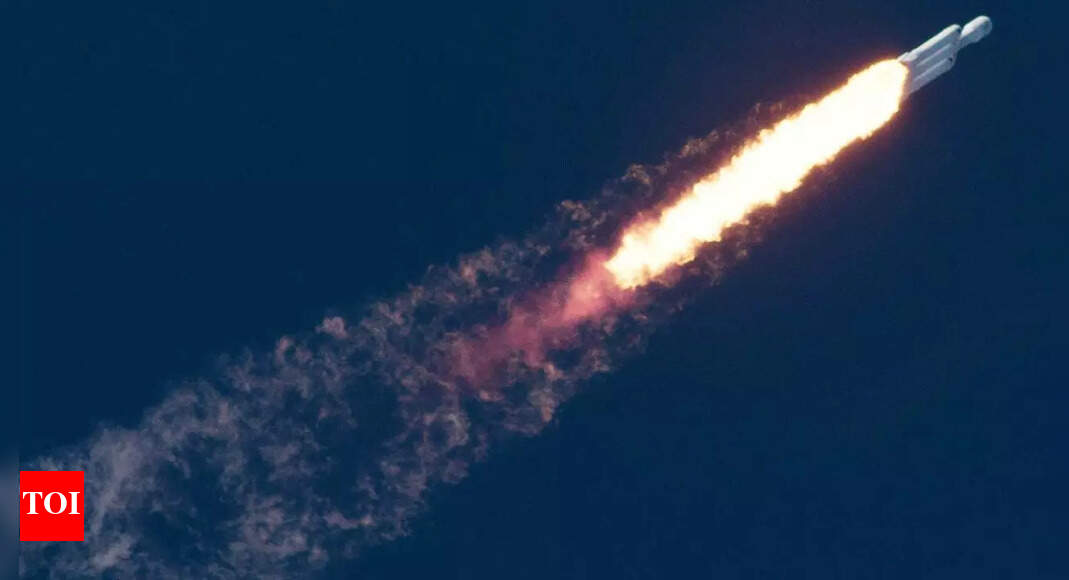
In recent years, private companies have transformed spaceflight from a government-led endeavour into a burgeoning commercial industry. Space tourism, satellite networks, and rapid-launch capabilities have made the dream of routine space travel increasingly attainable. While these developments mark incredible human achievement, scientists are increasingly concerned about the environmental consequences. The upper atmosphere, or stratosphere, is becoming an unintended testing ground, where rocket exhaust and propellant residues are beginning to affect the ozone layer, Earth’s protective shield against harmful ultraviolet (UV) radiation.Every launch sends chemical compounds into the stratosphere. Though invisible from the ground, these emissions initiate reactions that can slowly degrade ozone molecules, potentially undermining decades of progress in atmospheric recovery.
Ozone layer crisis: From CFC depletion to rising rocket launch impacts
The world has faced ozone crises before. In the 1980s, chlorofluorocarbons (CFCs), used widely in refrigeration and aerosols, caused large-scale depletion of the ozone layer. Ultraviolet radiation began to penetrate regions previously shielded, raising risks of skin cancer, cataracts, and ecological disruption. The global response was swift. The 1987 Montreal Protocol successfully banned most ozone-depleting chemicals, leading to a 99% reduction in CFC emissions. By 2025, satellite measurements revealed the smallest Antarctic ozone holes recorded since the early 2000s, signalling that international cooperation can work.However, as one chapter of atmospheric harm closes, a new challenge has emerged. The rapid growth of commercial rocket launches is creating fresh, less visible threats to the ozone layer. Annual launches have more than doubled since 2019, each leaving behind chemical signatures that affect stratospheric chemistry.
How rocket emissions affect the ozone layer
Rockets are powered by a variety of fuels, and their exhaust contains multiple ozone-depleting substances. Solid-fuel rockets release chlorine, which catalyses reactions that destroy ozone molecules. Exhaust also contains black-carbon soot, which warms the upper atmosphere, accelerating chemical reactions that degrade ozone. Metallic particles from engines further contribute to chemical interactions in the stratosphere.Sandro Vattioni, lead author of a 2024 ETH Zurich study, explains: “The rapid rise in global rocket launches could slow the recovery of the vital ozone layer.” His research shows that while current impacts are modest, the ozone layer is still about 2% thinner than pre-CFC levels, evidence that recovery remains incomplete.
How future rocket launch growth could threaten the stratosphere
Laura Revell’s team extended Vattioni’s research to predict future scenarios for the global launch industry. In a moderate growth scenario with 884 launches per year, global ozone could thin by 0.17% by 2030. In a high-growth scenario with 2,040 annual launches, losses could reach 0.29% globally and nearly 4% over Antarctica.Although these percentages may seem small, ozone chemistry is highly sensitive. Even minor disruptions can slow recovery and potentially reverse decades of environmental progress. Without cleaner fuels or regulatory oversight, the rapid expansion of commercial spaceflight could offset much of the gains achieved under the Montreal Protocol.
Rocket exhaust and satellite re-entry: hidden drivers of ozone depletion
The chemicals in rocket exhaust play a critical role in ozone depletion. Gaseous chlorine from solid propellants is the primary ozone destroyer. Black-carbon soot, produced by burning hydrocarbons, increases atmospheric heating and accelerates chemical reactions. Cryogenic liquid-fuel rockets, which burn hydrogen and oxygen, have minimal effect on ozone but are technologically complex and rarely used, representing only around 6% of launches today.The impact of rockets continues after launch. Satellites and other orbital debris eventually re-enter the atmosphere, releasing nitrogen oxides and metallic dust. Nitrogen oxides contribute directly to ozone depletion, while metallic particles can act as surfaces for reactions or form polar stratospheric clouds that intensify ozone loss. Current models largely ignore these re-entry effects. As satellite constellations increase, these fiery returns will become more frequent, potentially amplifying ozone depletion beyond current estimates. Go to Source