

Image(s): Left/MSU/Right/Canva
For decades, scientists have searched for cleaner alternatives to fossil fuels, looking everywhere from algae and bacteria to agricultural waste. In 2008, one of the most unexpected discoveries came from deep inside the South American rainforest. Researchers identified a microscopic fungus living quietly within the tissues of a tree that produced a mixture of hydrocarbons strikingly similar to those found in diesel fuel. The remarkable organism, later nicknamed the “diesel tree fungus”, raised the possibility that future biofuels might one day be produced by microbes rather than oil wells. Although the discovery did not replace conventional diesel overnight, it opened an entirely new direction in biofuel research and demonstrated how nature can sometimes solve problems in surprising ways.
How a microscopic rainforest fungus turned out to produce diesel-like hydrocarbons
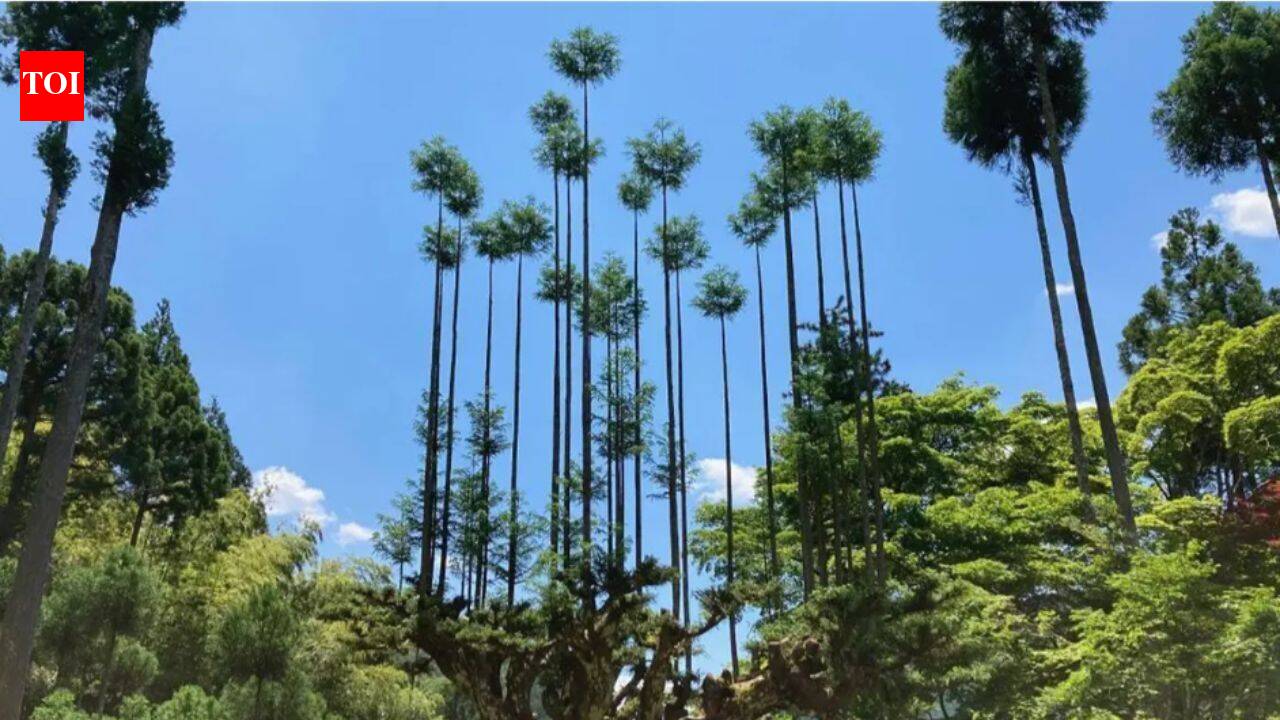
The breakthrough came when researchers from Montana State University studied microorganisms living inside the Ulmo tree (Eucryphia cordifolia) in the temperate rainforests of Patagonia in Chile.Among the organisms they isolated was a previously unknown fungus named Gliocladium roseum. Unlike most fungi, this species naturally produced a complex mixture of volatile hydrocarbons, several of which were chemically similar to the compounds found in diesel fuel. The discovery was particularly significant because these hydrocarbons were generated directly by the fungus during normal growth, rather than requiring complex industrial processing.The Guardian reported in 2008 how the finding prompted scientists to investigate whether fungi could eventually become a sustainable source of renewable transport fuels.
Why scientists considered the discovery so important
Most biofuels require crops such as maize, sugarcane or oilseed plants, which must be cultivated, harvested and processed before fuel can be produced.The fungus offered a completely different approach. Instead of relying on agricultural crops, it converted organic material into hydrocarbons through its own natural metabolism.Researchers suggested that, with further development, similar microorganisms might one day grow on agricultural waste, wood residues or other plant biomass, producing liquid fuels with a far smaller environmental footprint than conventional petroleum.The discovery also highlighted the largely unexplored potential of endophytic fungi, microorganisms that live harmlessly inside plant tissues. Scientists believe thousands of these fungi remain undiscovered, each capable of producing unique chemical compounds with possible industrial, pharmaceutical or environmental applications.
The fungus didn’t produce diesel, but it came surprisingly close
Although the fungus was widely reported as “making diesel”, the reality was more nuanced. Rather than producing finished diesel fuel ready to pour into an engine, Gliocladium roseum generated a blend of hydrocarbon molecules that closely resembled some of diesel’s key chemical components.These compounds still required purification and additional processing before they could become a usable commercial fuel. Nevertheless, the fact that a living fungus naturally synthesised diesel-like hydrocarbons was unlike anything researchers had documented before.The discovery introduced the concept of “myco-diesel,” fuel derived from fungi, and encouraged scientists to explore whether microbial engineering could improve production efficiency.
A discovery that reshaped biofuel research
The rainforest fungus has not replaced fossil fuels, and large-scale commercial production remains a scientific challenge. Producing enough hydrocarbons economically, maintaining stable fungal cultures and scaling laboratory discoveries into industrial systems are hurdles researchers continue to address.Even so, the 2008 discovery transformed scientists’ understanding of what microorganisms are capable of producing. It demonstrated that fungi could manufacture complex hydrocarbon molecules previously thought to come primarily from geological processes or petroleum refining.Today, researchers continue exploring fungi, bacteria and algae as potential sources of next-generation biofuels, sustainable chemicals and carbon-friendly manufacturing technologies. The tiny fungus hidden inside a rainforest tree remains an enduring reminder that some of the most promising innovations can emerge from organisms almost too small to see. Go to Source