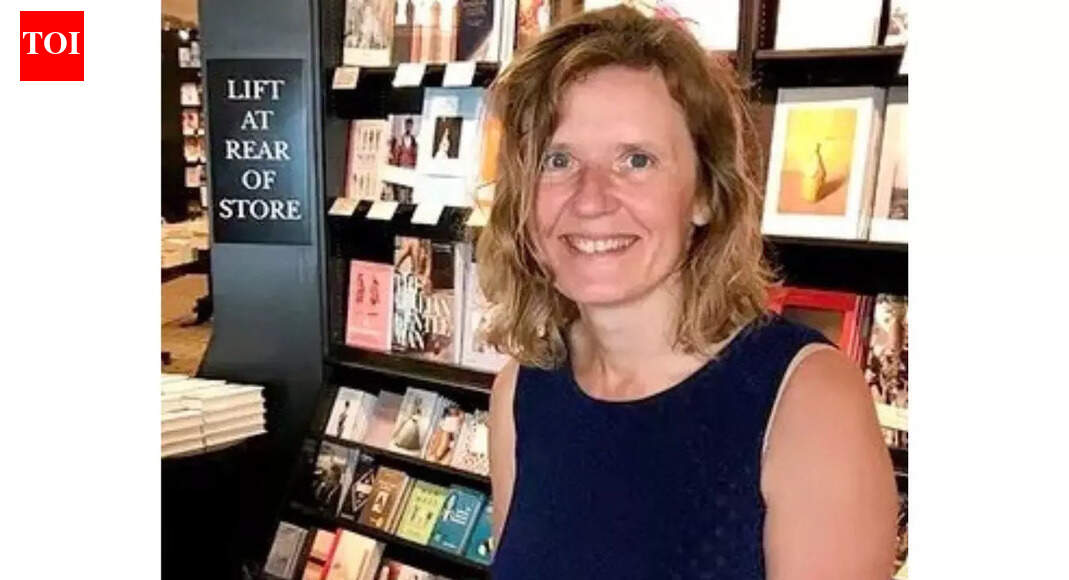

In early 2017, Svetlana Lokhova was a young mother and Cambridge-trained historian living in England when she woke up to a media storm she could not understand. Journalists were suddenly describing her as a Russian spy who had allegedly conducted an affair with a senior US official. Within days, her name became entangled in the expanding Trump–Russia scandal known as Russiagate, despite her having no role in US politics and no involvement in intelligence work.Lokhova says the allegation was entirely fabricated, yet it followed her everywhere. Academic opportunities evaporated, friendships collapsed under suspicion, and threats forced her to retreat from public life on police advice. For years, she insisted the story was false, while authorities denied holding any records about her. When documents were finally declassified years later, she says they confirmed what she had been saying all along: the claim existed inside official files, even as internal doubts about its credibility were never made public.What follows is how a single, unproven allegation pulled an obscure academic into one of the most divisive political sagas of the modern era and left her life in ruins.
An ordinary meeting that became explosive in Russiagate
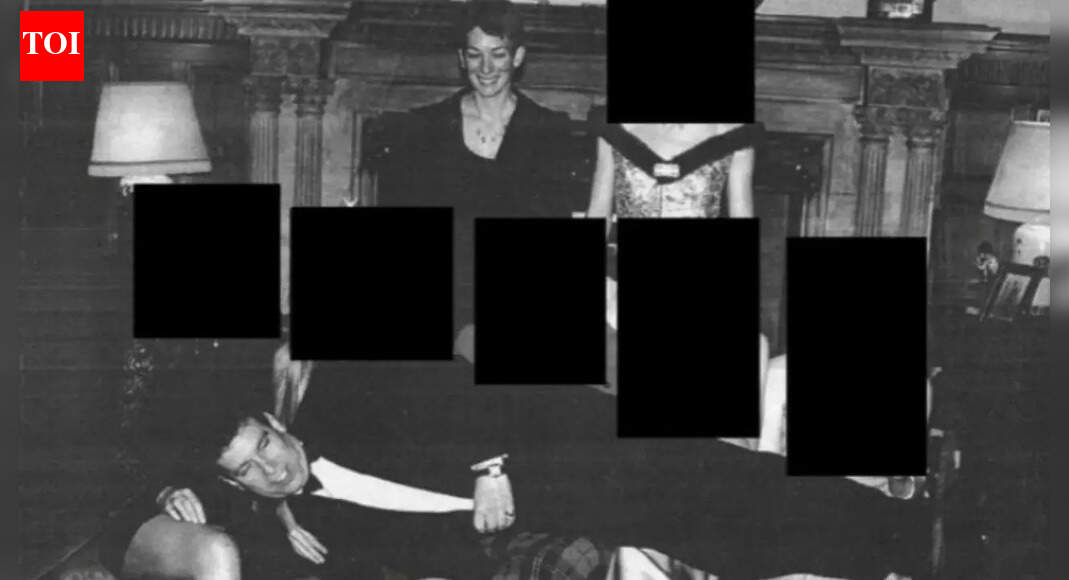
The chain of events began quietly in 2014, when Lokhova attended a public academic dinner in Cambridge. Among the guests was Michael Flynn, then a retired US Army general visiting the university. Their interaction, by all accounts, was brief, public and unremarkable, the kind of fleeting conversation common at academic events.At the time, there was no political context to attach meaning to the encounter. Flynn had not yet joined Donald Trump’s administration, and Lokhova was an academic with no public profile. But that ordinary moment was later reinterpreted through the lens of suspicion once Flynn became Trump’s National Security Adviser in January 2017. As scrutiny intensified around Trump’s inner circle, past contacts were re-examined for any possible foreign links, no matter how thin.
How an allegation entered FBI files
According to declassified records, an FBI informant, Stefan Halper, told the Federal Bureau of Investigation that Lokhova was a Russian intelligence asset and claimed to have witnessed an affair between her and Flynn. Lokhova has consistently denied both claims, calling them entirely fictitious.What later emerged from the same records was critical to her case. An internal FBI note described the allegation as implausible and unsupported. Despite this internal assessment, the claim was not formally shut down and remained within intelligence channels. Lokhova argues that this failure to decisively dismiss the allegation allowed it to persist and later surface publicly.
From suspicion to public smearing
Once the allegation reached the media ecosystem, it took on a momentum of its own. Reports repeated the insinuation, often relying on anonymous intelligence sources. Lokhova says she was never given a meaningful opportunity to respond before publication.She maintains that the leak of the allegation, despite internal doubts, was not accidental, though she acknowledges that no court has established deliberate intent. What is not disputed is the impact. She lost professional standing, was treated with suspicion by colleagues, and became the target of harassment and threats. While some outlets later amended or removed their reporting following legal action, the damage to her reputation had already been done.
Fighting for proof that she was never a spy
For years, Lokhova sought confirmation of what the authorities actually held about her. She says the FBI repeatedly denied having any files, even as she was told informally that her name had appeared in intelligence records. During this period, she lived largely in isolation, convinced that a false story buried in secret files was shaping her life beyond her control.In January 2021, documents connected to Crossfire Hurricane, the FBI’s Trump–Russia probe, were declassified on Donald Trump’s orders. The materials confirmed that Lokhova had appeared in FBI records and that the allegation against her had been logged, alongside internal assessments questioning its credibility. The documents did not link her to Russian intelligence, election interference or any form of collusion.
No reckoning, and documents sealed again
Lokhova believed the declassification would lead to accountability. However, no one was charged in relation to her case, and some of the same documents were later reclassified. She argues that this decision protected institutions rather than correcting a serious injustice, though this interpretation has not been tested in court.She says her experience illustrates how unverified intelligence claims can be weaponised during politically charged investigations, leaving innocent individuals with no practical way to clear their names once suspicion takes hold.
‘That woman was me’
In a recent post reflecting on the ordeal, Lokhova wrote that she had been falsely accused, erased as a person, and turned into a tool within the Trump–Russia narrative. She stressed that she was never part of any conspiracy and that official files themselves later showed the story about her was not even plausible.“That woman was me,” she wrote, describing how seeing her name preserved in secret files was both vindication and trauma. Trump’s later declassification orders, she says, confirmed she had been telling the truth from the beginning: she was not a spy, not an intermediary, and not evidence of collusion.Today, Lokhova describes herself as collateral damage of Russiagate, a bystander crushed by a political war she never chose to enter. Her story stands as a reminder that behind sweeping investigations and historic scandals are individuals whose lives do not simply reset once the narrative moves on. Go to Source