
Visa Splits Middle East Operations as Saudi HQ Rule Reshapes Regional Business Strategy
Global payments giant Visa is reorganising its Middle East operations, a move that reflects how Saudi Arabia’s “regional headquarters” policy is rewriting the corporate map of the Gulf. The US-based company’s latest structural shift comes amid intensifying competition among Gulf states for foreign investment, talent and economic clout.Traditionally, many multinational firms have used Dubai as their preferred base for Middle East regional management thanks to its advanced business infrastructure, liberal policies and cosmopolitan workforce. However, Saudi Arabia’s rule (introduced in 2024) now requires companies to establish a local regional HQ if they want to be eligible for government contracts. This has prompted firms across sectors to reconsider how they structure their regional presence and operations.
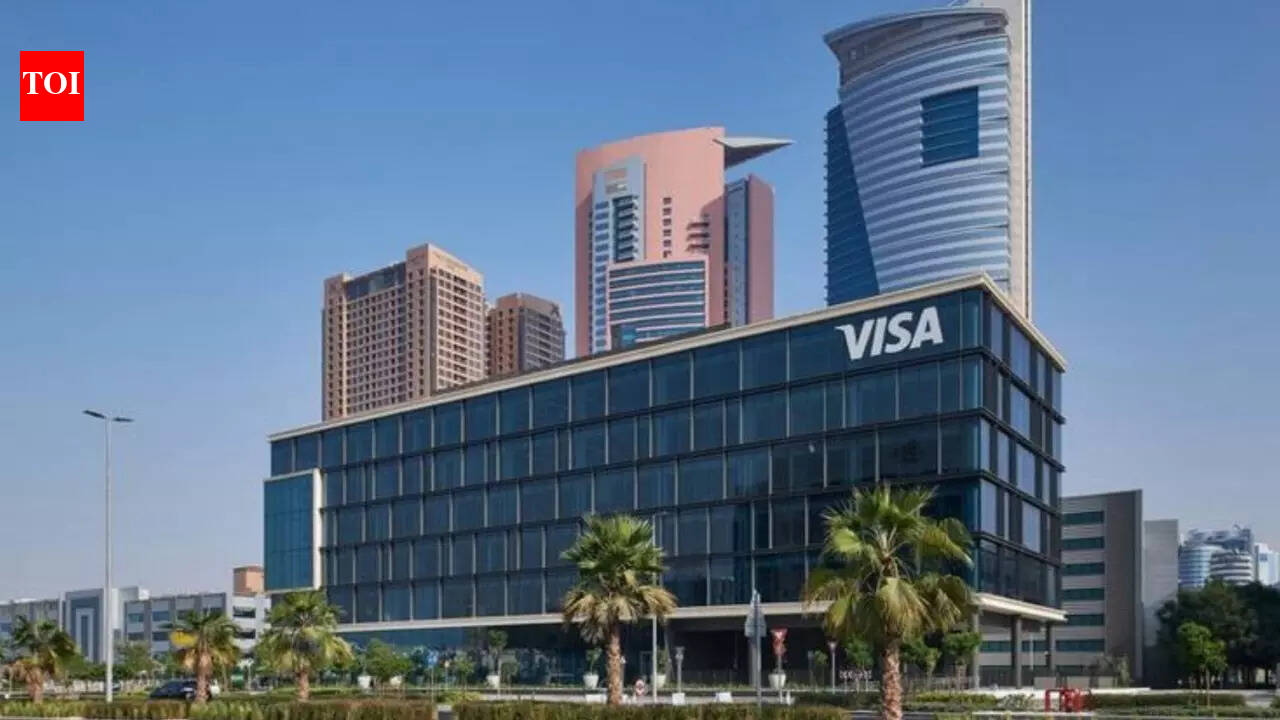
Visa’s new dual-hub structure: Dubai and Riyadh
Under Visa’s updated setup, its Middle East activities have been split into two separate hubs:
- Dubai office will oversee operations in the UAE, Kuwait and Qatar.
- A Riyadh-based office will manage Saudi Arabia, Bahrain and Oman.
Both clusters remain part of Visa’s broader regional grouping under Central and Eastern Europe, Middle East and Africa but mark a clear acknowledgment of Riyadh’s rising role in regional corporate governance. Visa’s move follows Saudi Arabia’s push to encourage more foreign companies to base their regional headquarters in the Kingdom.

Visa Reorganises Middle East Operations: Saudi HQ Rule Drives Dual Hub Strategy
According to Riyadh’s government, more than 700 multinationals have already set up regional HQs in Saudi Arabia since the rule took effect, signalling broad compliance and a competitive push by the Gulf’s largest economy.
Why Saudi Arabia’s HQ rule matters
Saudi Arabia’s regional headquartering policy is a cornerstone of its economic diversification strategy under Vision 2030, a sweeping plan to transform the oil-dependent economy into a diversified global business hub. As part of this strategy, the Kingdom is using regulatory incentives and requirements to attract multinational firms into sectors such as finance, technology and infrastructure.Under the HQ rule, companies wishing to bid on government contracts or participate fully in state-sponsored economic programmes must have a formal regional headquarters in Saudi Arabia. This has had a direct impact on how global firms define their operations and allocate resources across the Middle East.Visa, for example, could have chosen to relocate its entire regional office to Riyadh. Instead, it opted for a dual-hub approach, balancing retention of its presence in Dubai with a newly empowered Riyadh centre that satisfies Saudi requirements. This strategy lets Visa maintain access to both major markets while complying with policy demands.
Broader implications for Gulf business competition
Visa’s reorganisation is part of a larger pattern of companies responding to shifting commercial incentives in the Gulf. Saudi Arabia has increasingly used economic policy levers such as tax breaks, infrastructure investment and HQ mandates to lure foreign capital and expertise. Global banks like BNY Mellon, Goldman Sachs and Citigroup have also announced or received licences to set up senior regional headquarters in Riyadh in recent years, underscoring the trend.

Is Dubai Losing Its Grip? Visa’s Middle East Shake-Up Amid Saudi Arabia’s HQ Push
Dubai, meanwhile, has long been established as the Middle East’s business leader, drawing firms with its robust legal system, easier mobility and longstanding reputation as a gateway between East and West. Visa’s decision to keep its UAE operations anchored in Dubai while expanding Riyadh oversight reflects the ongoing balancing act multinational corporations face as they weigh regulatory access against talent markets and operational efficiency.
Economic and policy context
This development must be viewed against the backdrop of broader shifts in Gulf labour and visa policies. Saudi Arabia has been liberalising parts of its system like abolishing the old Kafala sponsorship regime in 2025 and granting workers more mobility to make the Kingdom more attractive to expatriates and skilled professionals.Visa restructuring also intersects with visa and mobility reform in the region, which includes initiatives like the GCC unified visa proposal and mutual visa-waiver agreements between Saudi Arabia and countries such as Russia, designed to stimulate tourism, business and cultural exchange.
What this means for companies and investors
Visa’s move highlights several key trends for businesses and investors operating in the Middle East –
- Regulatory adaptability: Companies must stay responsive to evolving government rules if they want to participate in lucrative state contracts and economic programmes.
- Regional dual presence: Maintaining operations in multiple Gulf hubs is increasingly common, helping firms balance market access with compliance and business continuity.
- Emerging talent hubs: Riyadh is rapidly growing as a headquarters destination, with policy incentives and infrastructure attracting global corporate functions.
- Dubai’s ongoing role: Despite competitive pressure, Dubai remains a vital centre for finance, commerce and technology in the region, offering market access and business services many firms value.
Looking ahead: Corporate strategy in a shifting Gulf
Visa’s operational restructure is a snapshot of how economic policy and corporate strategy intersect in a region defined by rapid transformation. As Saudi Arabia continues its push to diversify the economy and attract foreign firms through targeted regulations, companies will likely continue finding creative ways to balance compliance, market presence and operational efficiency.For multinational firms, choosing where to base key functions is no longer just about infrastructure and talent. It is about being strategically aligned with regional policy priorities and maximising long-term growth in one of the world’s most dynamic economic theatres. Go to Source