
This New Electric Bus Can Run All Day in Dubai Without Recharging And It’s a Game-Changer
In January 2026, Dubai’s Roads and Transport Authority (RTA) unveiled a milestone in sustainable transport: the arrival and imminent deployment of Zhongtong electric buses capable of operating up to 280 kilometres on a single charge on urban routes. This development, part of a 735-bus procurement plan that includes 40 electric units, marks one of the largest and most advanced electric public-bus deployments in the UAE to date. It reflects Dubai’s accelerating commitment to zero-emission mobility and its broader climate strategy for 2050.
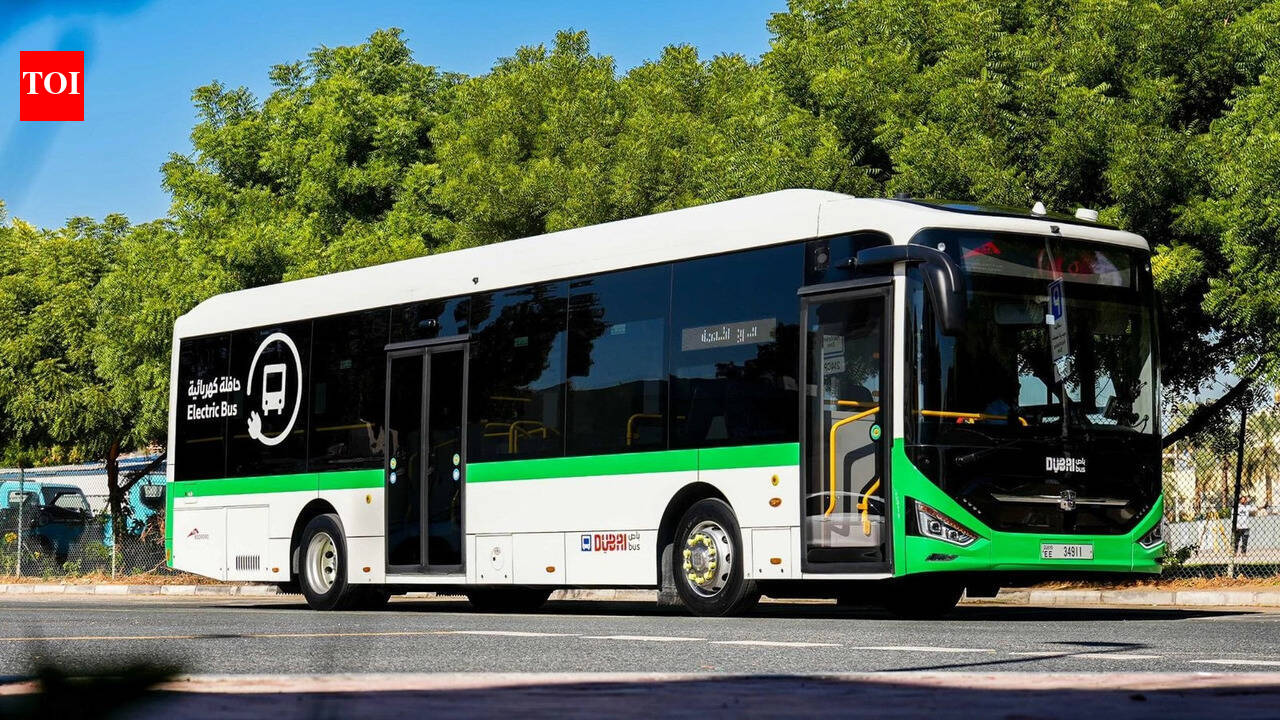
Zhongtong electric buses: A first for Dubai’s urban roads
At the heart of this initiative is the Zhongtong electric bus, a 12-metre, custom-designed vehicle tailored to Dubai’s climate and operational conditions. Powered by a 434 kWh battery and supported by 360 kW ABB fast chargers, the buses can cover daily routes without having to return to depots for recharging. That 280 km range on a single charge is a major leap for electric public buses in the region, where high temperatures and intensive daily service patterns have previously limited operational efficiency.This deployment makes Dubai one of the first Gulf cities to run electric buses at this scale, with enhanced range and performance that can sustain an entire day’s worth of urban service before needing replenishment.
Zhongtong electric buses as a part of Dubai’s broader green transport strategy
The Zhongtong buses are not a standalone effort. They form a part of the RTA’s Zero-Emission Public Transport Strategy 2050, which aims to transform Dubai’s transit network into a fully zero-emission system by mid-century. Under this strategy, the goal is for all public buses, taxis and limousine services to run on electric or hydrogen power by 2050, supporting wider national climate objectives, including climate neutrality and carbon-footprint reduction.
The Zhongtong electric bus, the first of its type to be operated on Dubai’s urban routes, has been tailor-made to suit Dubai’s operating conditions, with a single-charge operating range of up to 280 km, enabling it to complete daily services without returning to depots for… pic.twitter.com/kvcGq5JCvC
— Dubai Media Office (@DXBMediaOffice) January 18, 2026
Mattar Al Tayer, Director General and Chairman of the Board of Executive Directors of the RTA, has emphasised the gradual increase in electric buses as integral to Dubai’s transportation ambitions, a phased evolution that will see the fleet grow significantly through 2026 and beyond.
Comfort, safety and technology features of Dubai’s Zhongtong electric buses
These next-generation buses are not just environmentally advanced, they are also modern and user-friendly. They are equipped with features designed both for passenger comfort and operational efficiency:
- Low-floor entrances to facilitate access for people with disabilities.
- Dedicated seating zones for children and families.
- Amenities like Wi-Fi and mobile charging points.
- Advanced safety systems, including 360-degree camera surveillance and driver-behaviour monitoring.
- Automated passenger counting and driver authentication systems to improve service efficiency and security.
These enhancements underscore Dubai’s intention to build a public transit network that’s not just greener but also more attractive and convenient for riders, helping shift urban mobility habits away from private cars toward sustainable alternatives.
Scale within a larger bus expansion effort in Dubai
The Zhongtong buses arrived as part of the first batch among a broader procurement push. In total, 250 new buses were delivered in early 2026, inclusive of the 40 electric units, the largest electric bus order ever made in the UAE. The full contract calls for 735 multi-size buses compliant with Euro 6 low-emission standards, which include additional vehicles from manufacturers like MAN and other units from Zhongtong.
تعد الحافلة الكهربائية من نوع: (Zhongtong) أول حافلة يجري تشغيلها على الخطوط الحضرية في #دبي، وصُممت خصيصاً لتتلاءم مع الظروف التشغيلية في الإمارة، حيث تتمتع بمدى تشغيلي يصل إلى 280 كيلومتراً بتعبئة واحدة، وهو ما يمكنها من إكمال رحلاتها اليومية دون الحاجة للعودة إلى محطات الإيواء… pic.twitter.com/ZFMskhBzbG
— RTA (@rta_dubai) January 18, 2026
This large and diverse fleet is aimed at expanding coverage across the emirate, improving service frequency, boosting comfort and accessibility, and reducing emissions. These are components that dovetail with Dubai’s Economic Agenda D33 and its ambition to bolster the city’s global urban economy while tackling environmental challenges.
Zhongtong electric buses’ technological and operational readiness
The buses underwent multiple months of testing and trials in Dubai before entering service, an indication of the RTA’s careful calibration to local conditions. These trials focused on assessing energy-efficiency performance, battery and cooling system stability (especially in hot climates), operational reliability and overall safety of critical components such as braking systems.With strong performance results confirmed, these buses exemplify how modern electric public transport can be adapted to demanding environments and deliver robust, real-world service without frequent charging interruptions. Dubai’s transport sector has long been central to its urban planning and economic vision. The introduction of electric buses with extended range supports multiple layers of policy –
- Environmental goals: Cutting greenhouse gas emissions and steering toward climate neutrality by 2050.
- Social goals: Improving public transport accessibility and quality.
- Economic goals: Reducing fossil fuel dependence and enhancing the efficiency of urban mobility systems.
By integrating long-range electric buses into its daily transport operations, Dubai is aligning with global best practices in sustainable public mobility. It is also setting a benchmark for other Middle Eastern cities, many of which are now exploring or launching their own electrification strategies amid rising environmental awareness.While the launch of Zhongtong buses is significant, it represents just one phase of a multi-year roadmap. The RTA plans to receive the remaining buses under its current contract throughout 2026. Meanwhile, strategic priorities include expanding charging infrastructure, refining operational protocols and continuously incorporating new technologies that enhance performance, passenger experience and service efficiency.Dubai’s vision, as shown by this electric bus rollout, is not merely about introducing electric vehicles. It is about reimagining urban transport as a sustainable, smart and people-centric system. As the city evolves, these buses are quietly pulling passengers across fast-growing districts with zero tailpipe emissions and will become a visible testament to Dubai’s climate and mobility ambitions. Go to Source