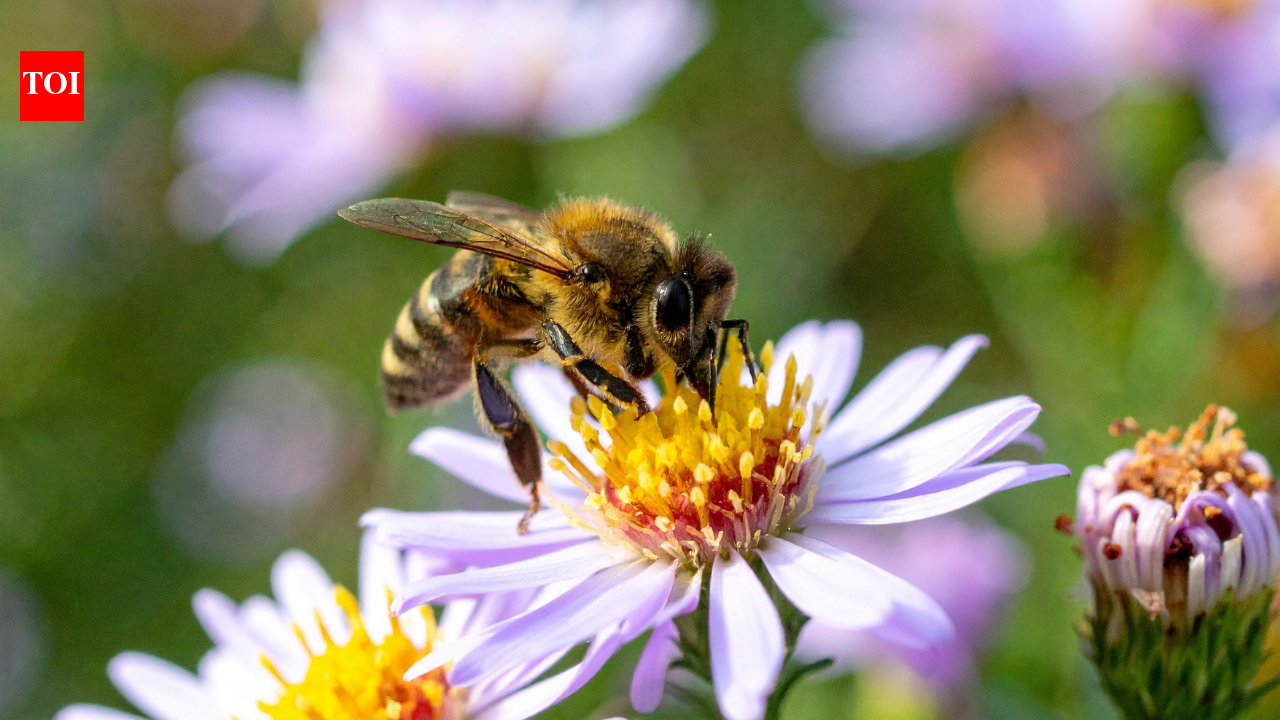


France has approved the temporary return of two controversial pesticides that had been banned nationally for the past two years, reigniting a fierce debate between agricultural competitiveness and environmental protection. Lawmakers backed an emergency farm bill that allows limited use of the insecticides under strict conditions, arguing that French farmers need the chemicals to remain competitive with rivals across the European Union. Environmental groups, however, say the move weakens France’s long-standing commitment to protecting bees and biodiversity. The decision has triggered political tensions, public criticism and renewed concerns over the potential impact of the pesticides on pollinators, ecosystems and human health.
Why France is allowing the pesticides again
The French National Assembly approved an emergency agricultural bill that permits temporary exemptions for two insecticides: acetamiprid and flupyradifurone. Both products remain authorised at the European Union level, but France had imposed stricter national restrictions.Supporters of the legislation argue that French growers have struggled to compete because farmers in neighbouring EU countries can still use the same pesticides. The government says the exemptions will help protect crops from destructive insect pests while keeping domestic agriculture competitive.
Which pesticides are returning
The law allows limited use of acetamiprid, a neonicotinoid insecticide, mainly for hazelnut production. Flupyradifurone, which belongs to a different class of insecticides, may be authorised for crops including sugar beet, apples and cherries.The exemptions are not automatic. Each application must first receive approval from France’s food and health safety agency, ANSES, and will be granted only when no effective alternatives are available.
Why environmentalists oppose the move
Environmental organisations have strongly criticised the legislation, arguing that the chemicals pose risks to pollinating insects such as bees, which play a vital role in food production and ecosystem health.Critics also warn that easing pesticide restrictions could undermine France’s reputation as one of Europe’s leaders in environmental protection. Campaigners fear the temporary exemptions could set a precedent for weakening future pesticide regulations.
Farmers say they need the exemptions
French farming groups welcomed the decision, saying they have been placed at a competitive disadvantage for years. They argue that banning products still available elsewhere in the EU increases production costs, reduces crop yields and makes it harder for French agriculture to compete in international markets.According to supporters, the temporary exemptions are intended to bridge the gap until safer and equally effective alternatives become widely available.
Political controversy deepens
The legislation has exposed divisions within the French government and Parliament. While supporters describe it as a pragmatic response to farmers’ concerns, opponents see it as a step backwards for environmental policy.The controversy intensified after Environment Minister Monique Barbut resigned following the bill’s passage, highlighting the political sensitivity surrounding the government’s decision.
Safeguards included in the law
The exemptions are designed to be temporary rather than permanent. They can be granted for a maximum of three years and only after scientific evaluation confirms that no viable alternatives exist for specific crops.Officials say the restrictions aim to balance agricultural needs with environmental protection, although critics remain unconvinced that the safeguards are sufficient.
The wider debate over farming and biodiversity
France’s decision shows a broader challenge facing many countries: how to maintain food production while reducing the environmental impact of farming. Governments across Europe continue to face pressure from farmers seeking greater flexibility and from environmental groups demanding stronger protections for pollinators and biodiversity. Go to Source