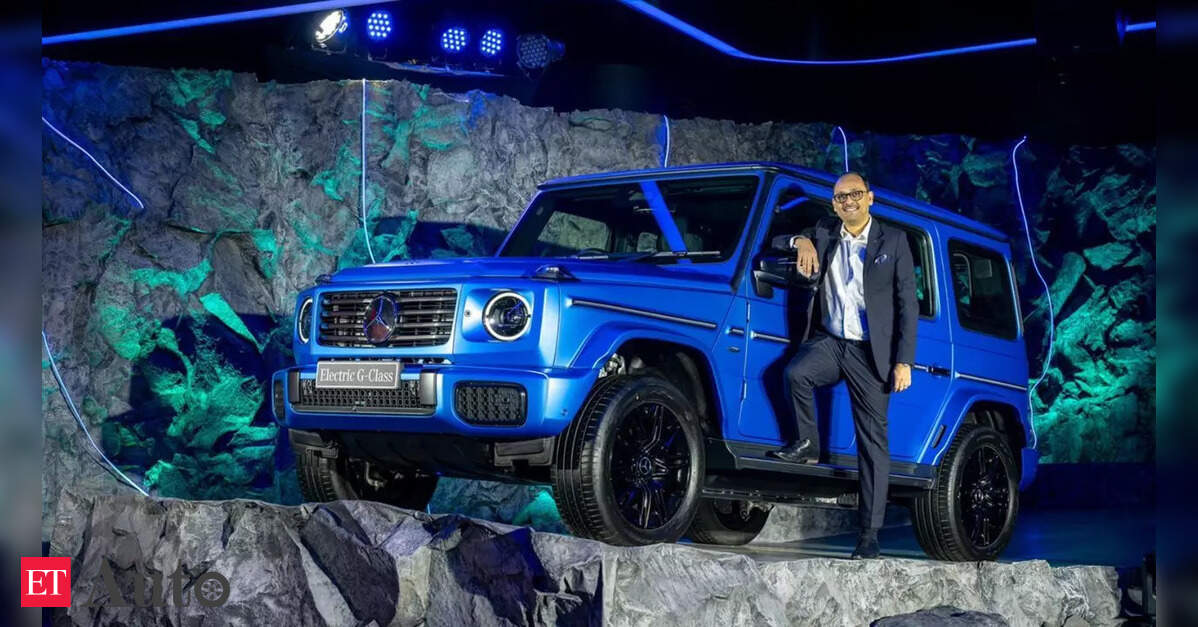

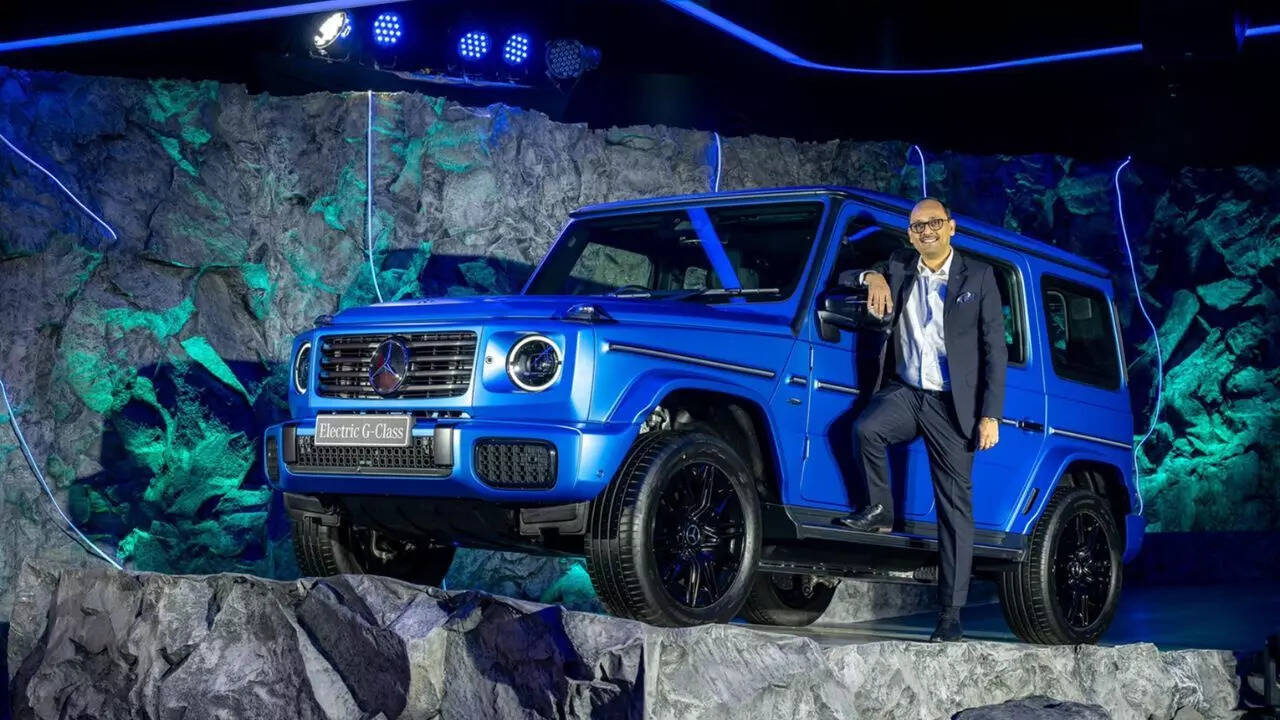
 Santosh Iyer, MD and CEO of Mercedes Benz India
“/>
For Mercedes-Benz India, September summed up the rhythm of the luxury market in India–stressful, unpredictable, yet ending on a high. In this exclusive conversation with ETAuto, Santosh Iyer, MD and CEO of the German carmaker, shares his insights on the market reset under GST 2.0, tackling forex and cost escalation through localisation push and why the customer should decide the pace of transformation in terms of electrification– preferring the market to evolve organically rather than chasing targets.
Edited excerpts:
August was quite an eventful month. You ended it on a high note with record deliveries. Tell us about that.
Yes, absolutely. After all the stress and challenges in August, the month ended very well for us. We had a big celebration at the office too. Delivering 2,500 cars in just nine days was a record — a real example of the team burning the midnight oil. From coordinating customer deliveries to managing logistics, the entire team pulled together, and full credit goes to them.
With GST 2.0 now in place, how has it impacted consumer sentiment, particularly for luxury carmakers? Do you expect the momentum to sustain or fade after the initial excitement?
Luxury demand is always sentiment-driven. Wealth and disposable income are there, but buying decisions are linked closely to confidence. After the first quarter of this fiscal, we saw some pressure on demand due to three price hikes we had to take this year — factoring in inflation, forex, and cost escalations.
GST 2.0 brought an average 6 per cent price reduction, which revived positivity in the market. Alongside, our Dream Days campaign — which focused on affordability through innovative finance options — also played a key role.
For instance, we introduced a flexible EMI structure allowing customers to pay one bulk EMI annually, which aligns with bonus or dividend payouts. Another innovative offer was the ‘Key to Key’ programme — allowing S-Class customers to upgrade seamlessly to the next model after two years.
Interest rates remaining low and the tax cut together lifted sentiment. Going forward, we enter October with about 2,000 open orders, which gives us confidence for Dussehra and Diwali. The northern wedding season also adds momentum.
However, we are cautiously optimistic — global factors like geopolitics, tariffs and FTAs could weigh in later in the year. Despite the volatility, we are currently enjoying record-breaking sales.
While sentiment has improved, operationally there are still cost and forex pressures. How are you mitigating these without passing the entire burden to consumers?
Localisation is a key focus for us. We are working on sourcing more components locally — such as glass, tyres and seats — to reduce forex exposure and bring down costs.
Of course, we do pass on some increases, but we must balance it carefully. Passing everything to customers would hurt demand. So, continuous internal cost programmes are underway to offset inflationary pressures. Managing both — profitability and affordability — is our constant focus.
Mercedes-Benz’s core luxury segment accounts for about 60 per cent of sales, and the top-end continues to grow in profitability. How will your product and pricing strategy evolve across these segments?
We’ve stayed away from any price or discount wars, especially in the entry segment where some EVs were competing aggressively. GST 2.0 has been a blessing for combustion engines.
For example, the GLA, earlier priced at ₹51.5 lakh, now starts at ₹49 lakh — bringing it under the ₹50-lakh mark. Moreover, combustion engines have around 10 per cent higher residual value compared to EVs, strengthening their total cost of ownership (TCO) proposition.
With many states withdrawing EV road tax benefits, on-road prices for EVs and ICE models are now quite similar. This gives us a strong opportunity to re-engage in the entry-luxury space, led by models like the GLA. We expect it will take a couple of quarters to normalise supply and fully tap this demand.
Currently, your battery-electric vehicles (BEVs) account for around 8 per cent of sales. What’s your electrification roadmap, and how do you see industry penetration over the next 3–5 years?
We’ve always maintained that the customer should decide the pace of transformation. The shift to electric depends on multiple stakeholders — OEMs, government and consumers.
GST 2.0 has reshaped the landscape by bringing hybrids and ICE under a single 40 per cent slab, with EVs taxed at 5 per cent. Earlier, ICEs were taxed at 48 per cent — the 8 per cent cut makes them more competitive.
EV adoption, particularly in luxury, is still TCO-driven. With the new structure, EV makers may need to adjust pricing to maintain attractiveness. In mass segments, we’ve already seen price corrections, though not yet in luxury.
At our end, the EQS SUV is locally produced and priced at ₹1.3 crore, compared to ₹1.5 crore for the GLS — offering a good value gap. However, we’ll continue allowing the market to evolve organically rather than chasing targets.
About 70–75 per cent of your top-end vehicle (TEV) sales come from bespoke orders. How central is customisation to your growth story?
Personalisation is core to our top-end strategy. In models like Maybach and G-Class, customisation levels go as high as 95 per cent. Customers typically add ₹60 lakh to ₹1.5 crore worth of options over base prices — showing their appetite for individuality.
Our ‘Manufaktur’ programme caters to this demand, and we see this trend strengthening further. We plan to expand such bespoke options for Indian customers in the coming years.
You mentioned earlier that the entry-luxury segment saw some softness. How do you plan to revive it?
Among German luxury OEMs, we hold around 50 per cent market share in this segment. We weren’t active earlier as much, leading to some mixed performance. But with GST 2.0 reducing prices, particularly for ICE models like the GLA, we expect renewed traction in the coming quarters.
Would strengthening the entry-luxury portfolio help grow market share or is your current composition satisfactory?
If we were chasing volumes, we wouldn’t have adopted the ‘Retail of the Future’ model, which is centred on customer experience. In luxury, a volume-led approach is not sustainable.
We prioritise brand equity, customer satisfaction and residual values over market share. Aggressive discounting may boost short-term numbers but hurts long-term brand health. So, our focus remains on delivering the right products and experiences — and letting the market decide volumes.
With record Navratri sales and optimism ahead of Diwali, how are you preparing on the retail and supply side? Any model constraints?
The G-Class Electric Edition One, launched earlier this year at around ₹3 crore, is already sold out. It offered a compelling value against the ₹4.5 crore combustion model — showing strong EV traction in that niche.
Our Maybachs have 6–8 months’ waiting period, while models like the S-Class Maybach continue to see high demand. As always, colour and fuel mix preferences cause minor variations, but we manage these through flexible supply and selective offers to maintain balance.