
‘A good traveler has no fixed plans and is not intent on arriving’
Picture a traveller standing at a busy intersection in a foreign city. Her phone battery dies, taking her maps, digital tickets, and step-by-step plans with it. Instead of panicking, she puts the phone in her pocket, turns down a side street lined with local bakeries, and spends the next three hours exploring an old neighbourhood absent from every guidebook. She has no schedule, no deadline, and no rush to reach a specific landmark.That shift in mindset captures the heart of the famous ancient saying: “A good traveler has no fixed plans and is not intent on arriving.”The sentence points out a basic problem in how people live their lives. Most people plan their lives around specific destinations, whether a physical city, a job title, or a savings goal. By doing this, they turn the journey into a series of hurdles to clear as quickly as possible. The phrase suggests a totally different approach: treating life as an experience to enjoy directly rather than a set list of tasks to complete.
Ancient roots and modern meanings
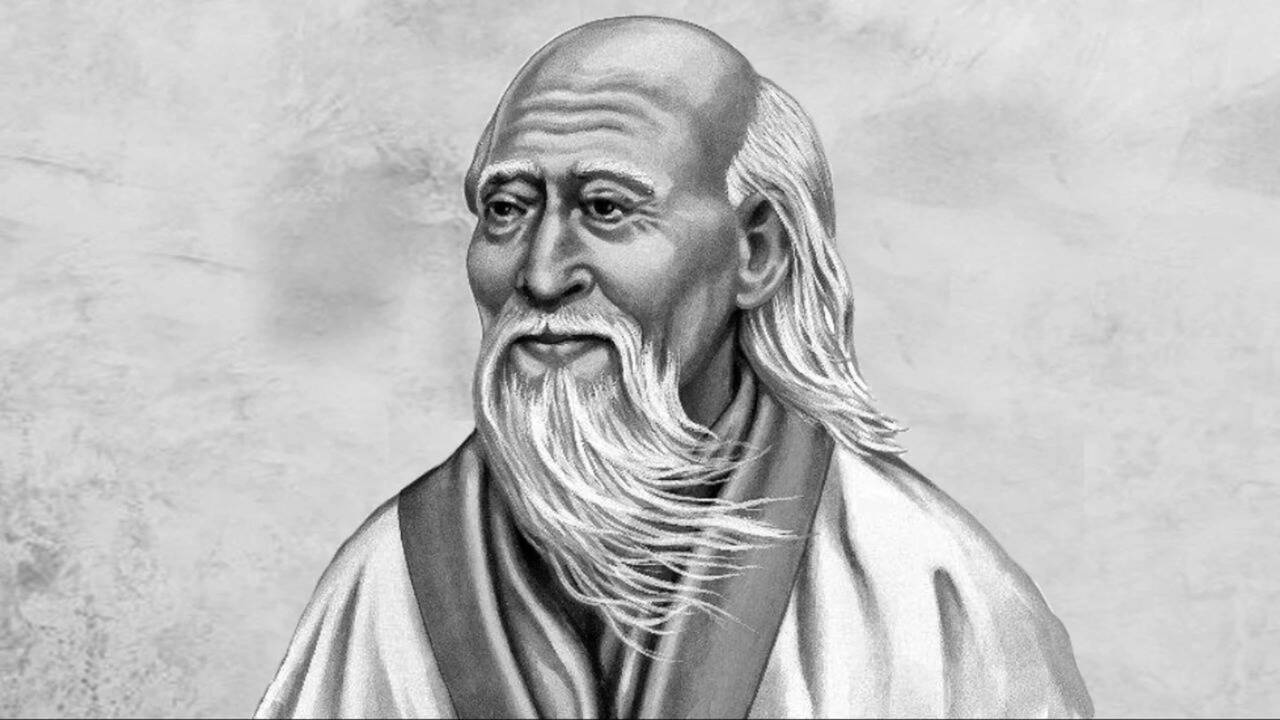
The phrase “A good traveler has no fixed plans and is not intent on arriving” comes from Chapter 27 of the Daodejing (Tao Te Ching), an ancient Chinese book written around the 4th century BCE.While tradition says the book was written by the wise thinker Laozi, the exact English words used today come from Stephen Mitchell’s popular 1988 translation. Scholars of ancient Chinese point out that Mitchell’s version is a creative interpretation rather than a strict line-by-line translation. The original Chinese phrase, Shan xing wu zhe ji, translates more literally to: “A good traveler leaves no tracks or wheel ruts”. In ancient China, a traveller who left no tracks was a master of living in balance. They moved so naturally through a landscape that they caused no damage, left no heavy mark, and easily adapted to whatever terrain appeared. Mitchell translated that deep spiritual idea of smooth movement into everyday words, swapping the image of “leaving no tracks” for the idea of dropping strict plans.The historical background of the Daodejing explains why this idea mattered so much. Written during a time of constant war and political trouble in China, the book offered a direct challenge to the strict social rules and rigid government systems of the time. Laozi argued that trying to force the world into strict plans only causes stress and pain. True success, whether in ruling a country or living daily life, meant going with the natural flow of the world.
The freedom of focusing on the process
At its heart, this idea relies on the concept of wu wei, often translated as “effortless action” or “going with the flow.” It describes a mental state where a person reacts to real life as it actually happens, rather than trying to force events to fit a set plan.In modern psychology, this matches research on “flow states”—moments of deep focus where a person forgets about time and becomes fully wrapped up in what they are doing. When someone focuses only on a distant goal, their mind gets split. Part of their brain stays trapped in worry about the future, constantly checking how far they are from the finish line.Focusing only on the end result creates a common mental trap:
- Focusing on the Goal: Treating the present moment like a stepping stone, causing stress whenever unexpected delays happen.
- Focusing on the Process: Reacting smoothly to changing situations, treating unexpected surprises as useful moments rather than annoying failures.
By letting go of the need for a specific final result, a person stops treating today as a task to rush through to get to tomorrow.
Living in an unpredictable world
This ancient idea offers real value across modern life, especially in a world full of strict schedules and tight deadlines.In business and leadership, rigid long-term plans often fail when situations change fast. The most successful organizations work less like train drivers stuck on a single set of tracks and more like sailors adjusting their sails to changing winds. Modern business practices use this exact idea: keeping a clear general direction while remaining ready to drop old plans when real-world conditions change.In personal development and education, an obsession with fixed goals often leads to exhaustion and burnout. Students and workers who treat their careers as a single, inflexible path struggle when unexpected problems appear. Those who approach their work like flexible travellers treat surprising detours as chances to build new skills and find unexpected interests.Using this idea in daily life does not mean throwing away all goals or living in complete chaos. It simply means holding plans loosely. It means picking a direction while staying open to the path, knowing that the most meaningful experiences often happen on the unplanned detours. Go to Source