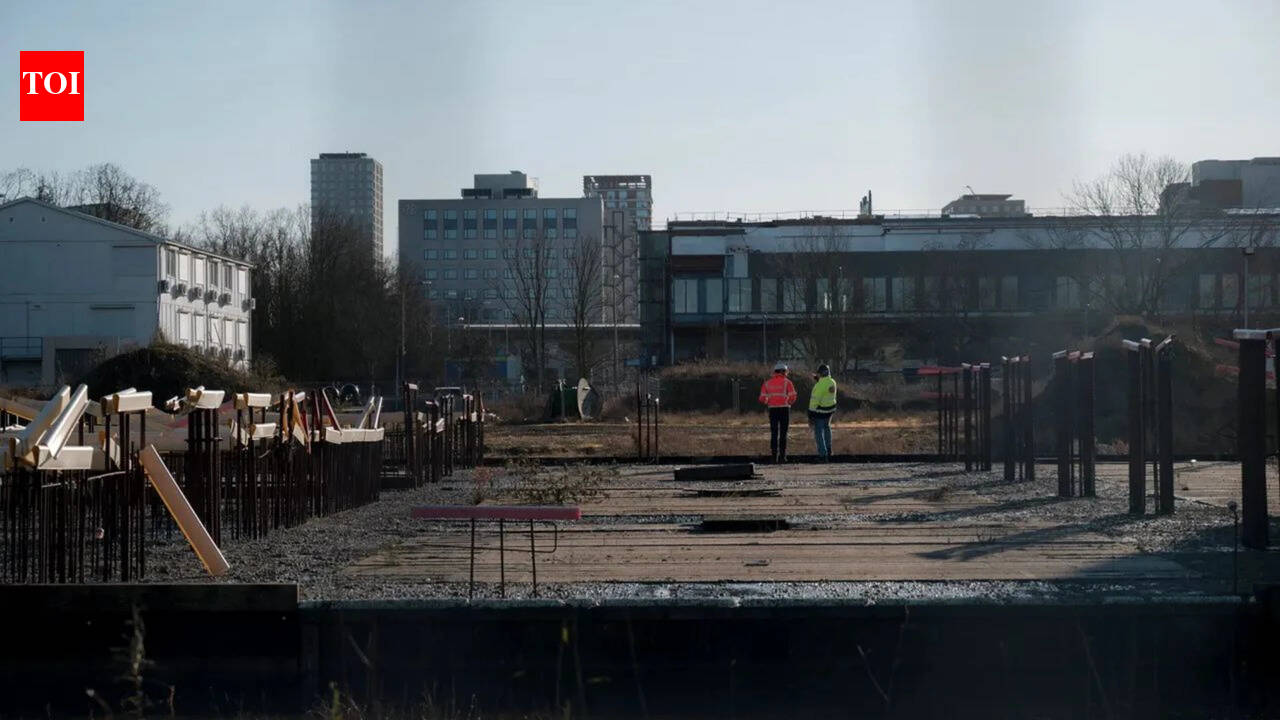

‘People only see what they want to see.’ This is sheer human nature, where one focuses on their own visions and wants and ignores anything that goes against the expectations of how things ought to be. When it comes to the tech giants pioneering the AI boom, this stands true. They are obsessed with the prospects and possibilities of AI and will do anything to realise them, even rob the planet of water and the people of electricity.Currently, there are about 12,000 operational data centres across the world. Industry experts expect up to 500 new hyperscale sites to be built in the next few years due to the rising demand for AI. On the contrary, humans expect their lives to become just as difficult with the construction of these centres. Over the past year, as tech companies like Meta, Microsoft and others invest heavily in creating data centres, people have reported a variety of problems including air pollution, water scarcity, noise pollution, rising costs of electricity and loss of land forced by authorities.With public backlash against the growing number of AI data centres being constructed boiling over, activists are resorting to extreme measures to send home their message since peaceful protests don’t seem to work anymore. In Amsterdam’s Westport, climate activists affiliated with the group Extinction Rebellion claimed responsibility for a unique case of vandalism against a Microsoft data centre construction project. According to the Register, the protestors filled water balloons with a mixture of hydrogen peroxide, acetic acid, salt and acrylic paint before throwing them at the facility.“This acidic mixture attacks concrete, and the hydrogen peroxide causes steel to rust faster,” said the group in a statement revealing that the action took place overnight on July 15 and 16. The impact of the balloons on the data centre project remains unknown as of now. But the group is known for using nonviolent civil disobedience and direct action to draw attention to climate issues that would otherwise go unnoticed. Previously, activists spattered the offices of fossil fuel insurers with foul-smelling butyric acid and used superglue and bicycle locks to barricade the entrance of Lloyd’s, a major insurance market in London.According to XR, the demonstration is signalling that the group is joining the Geef Tegengas, a Dutch climate and justice collective, campaign against the data centre located near Sloterdijk Station.
Data centres at the centre of climate activism

Three residents of the village of Sturtevant filed a class-action lawsuit against Microsoft’s data centre in Wisconsin
While this data centre was attacked by activists, Microsoft has been having a hard time with its data centres across the United States. The tech giant’s much-touted $7.3 billion AI data centre in Fairwater, Mount Pleasant, Wisconsin was proudly announced by CEO Satya Nadella as “the world’s most powerful AI data centre.” But as per reports by The Milwaukee Journal Sentinel, three residents of the village of Sturtevant filed a class-action lawsuit against the data centre, alleging that the data centre was emitting “unreasonable and excessive noise onto Plaintiff’s properties, thereby causing property damages through private nuisance and negligence.”The noise being generated by “diesel generators and heating, ventilation and air conditioning (HVAC) systems including chillers, cooling towers, air-handling units and condenser fans” is “consistent and pervasive” as per the lawsuit. The residents claim that Microsoft failed to mitigate the noise through “adequate acoustic barriers, shields or walls.”Not just noise, people have complained of facing water shortages, electricity outages, and many other problems while residing in areas near these data centres that are expected to power the world of AI while destroying the world of humans.As per a report by CBS, the Brown family of Coweta County, Georgia decided to sell their home to Georgia Power, rather than risk seizure by eminent domain. They are one of the likely 300 landowners who will have their property seized so that the for-profit, investor-owned corporation can build a new transmission line to connect new AI data centres. “To us it’s theft,” Browns’ mother told CBS. “It’s literally a billion-dollar company stealing land from smaller people, people who can’t fight back. We don’t have the money to fight Georgia Power.”It seems that with growing AI data centres, tech firms must be ready for opposition, not only from activists but also from landowners and homeowners whose lives are being disrupted with no solution in sight. Go to Source