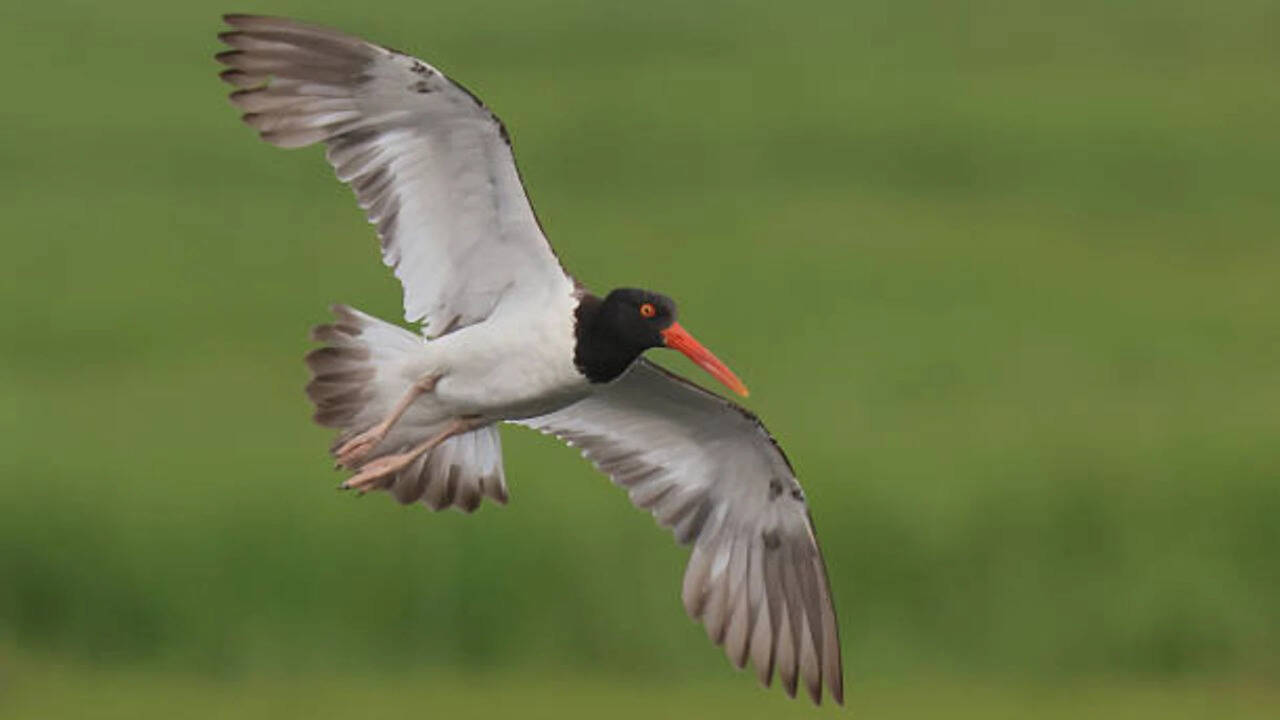

They are the size of a football with bright orange bills, long legs, yellow-beady eyes and can fly up to 2,000 miles. While they populate American beaches today, once there was a time when American oystercatchers had been wiped out from New England.By the turn of the 20th century, these birds had gone extinct in the area due to years of hunting and egg collecting. But now, they are rising in numbers all due to the efforts of the conservationists. As the new chicks are born, a group of biologists from the US Fish and Wildlife Service run behind them to take their body measurements and clip bands onto their legs.“There is a problem. They can fly,” said Alan Kneidel, a senior conservation biologist with the environmental group Manomet Conservation Sciences to the Associated Press, as he watched the team go after two chicks on a Rhode Island beach. The banding in the 787-acre Trustom Pond National Wildlife Refuge is a part of a nationwide effort to restore the oystercatcher’s population along the coasts of USA.