The first spell of the monsoon has exposed severe infrastructure concerns across the National Capital Region, with Gurugram witnessing widespread flooding, damaged roads, and major traffic disruptions. Heavy rainfall lasting only a few hours was enough to inundate several parts of the city, raising serious questions about drainage preparedness and urban planning. One of the worst-affected locations was Gurugram’s Sector 69, a prominent residential and commercial area. Roads were submerged under rainwater, while several stretches developed large potholes and caved in due to continuous waterlogging. Parked vehicles were also impacted as floodwaters entered low-lying areas, leaving commuters stranded and forcing traffic to crawl through waterlogged streets. The conditions near the Dwarka Expressway further highlighted the city’s struggle to cope with seasonal rainfall. Despite repeated claims of infrastructure upgrades and improved drainage systems, the first major shower of the monsoon revealed persistent civic shortcomings. Meanwhile, Delhi also received steady rainfall as the monsoon strengthened across the capital. Although the intensity of rain reduced after the morning hours, waterlogging continued to affect traffic movement in several areas. Authorities remained on alert while commuters faced delays during peak travel hours. The situation has once again reignited discussions over urban flood management, drainage maintenance, and the readiness of civic agencies before the arrival of the monsoon season. Residents have urged authorities to implement long-term solutions instead of temporary fixes to prevent recurring flooding every year. Weather officials have indicated that additional spells of rainfall are likely over the coming days, prompting advisory measures for commuters to avoid waterlogged routes and remain cautious during travel.
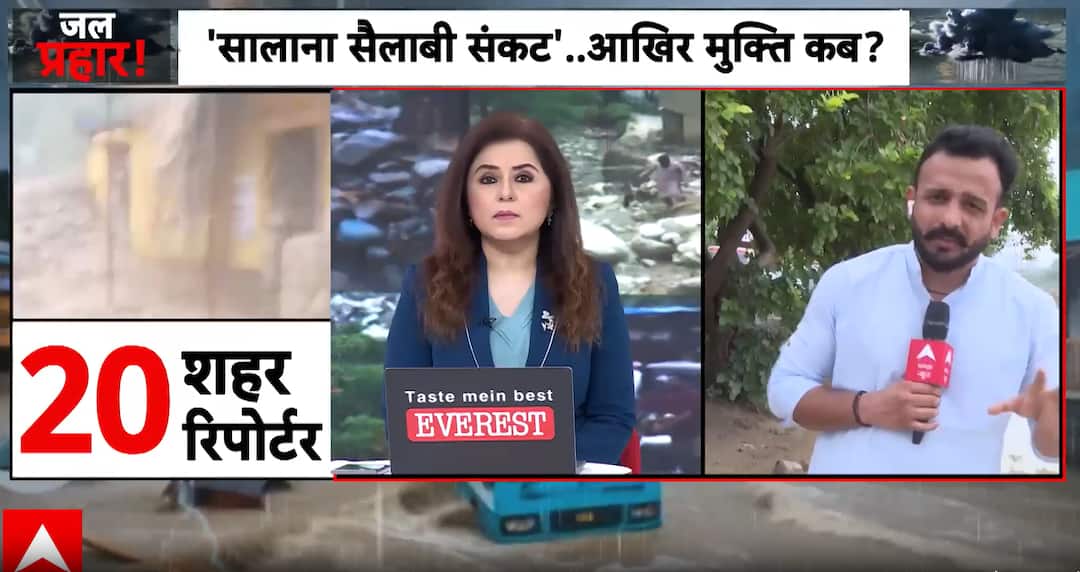
Weather Alert: First Monsoon Rain Leaves Gurugram Flooded, Roads Collapse, Delhi Battles Waterlogging
Previous article

Next article