- Assess vitamin levels, prostate, liver, and kidney health.
Turning 40 is often seen as just another birthday, but it’s actually a time when men need to start paying closer attention to their health. The late nights, skipped workouts, unhealthy eating habits, and constant stress that the body managed earlier may start showing their effects after this age.
That’s why regular health check-ups become important. They can help spot hidden health problems early and give men a chance to take action before things become serious.
What Changes In The Body After 40?
After 40, the body naturally begins to change. Metabolism may slow down, hormone levels can shift, and years of lifestyle choices may start affecting overall health. For many men, factors like work stress, lack of exercise, and family history can increase health risks.
1. Check Your Blood Sugar
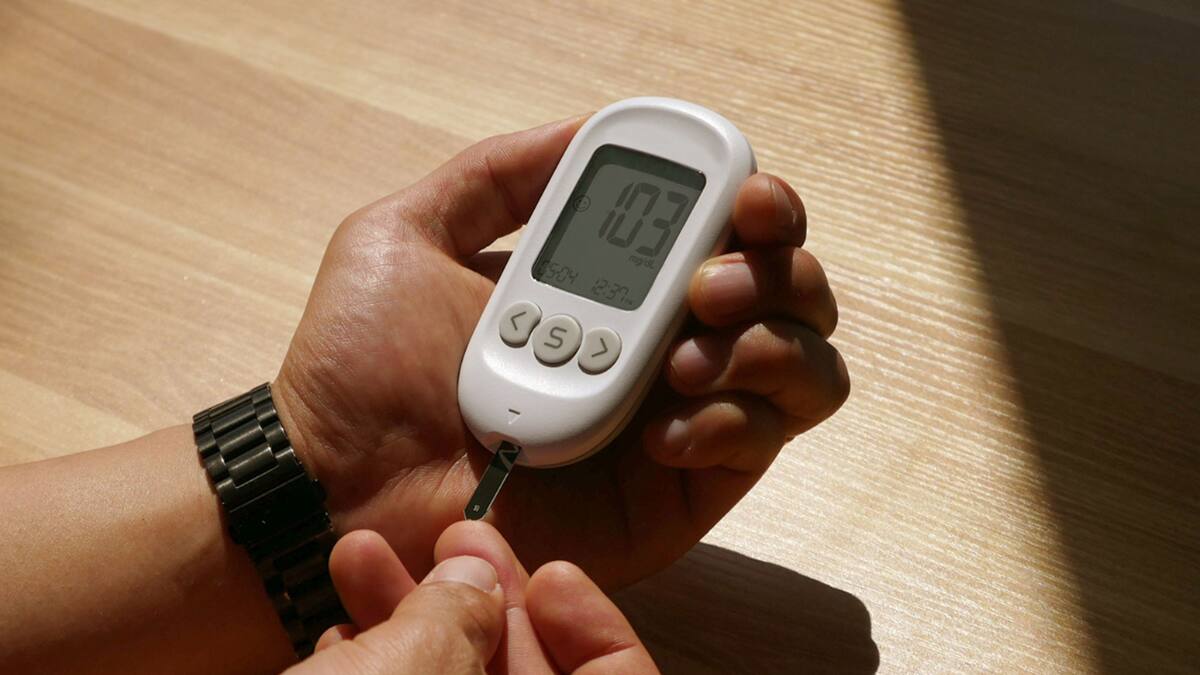
Diabetes is often called a silent condition because it can develop without clear warning signs. Weight gain, stress, and a sedentary lifestyle can increase the chances of developing it.
A simple HbA1c test can provide a clearer picture by showing average blood sugar levels over the past few months and helping identify early signs of diabetes or prediabetes.
2. Keep An Eye On Your Heart

Heart health becomes even more important after 40. Problems like high cholesterol and blood pressure can build up slowly without noticeable symptoms.
Regular checks like a lipid profile and blood pressure test can help identify risks early and encourage better lifestyle choices.
3. Don’t Overlook Vitamin Levels

Feeling tired all the time, low energy, muscle weakness, or difficulty concentrating is sometimes blamed on age or stress. But vitamin deficiencies, especially vitamin D and vitamin B12, can also be responsible.
Getting these levels checked when needed can help improve overall health and energy.
4. Take Care Of Prostate, Liver, And Kidney Health

Men over 40 should also stay aware of prostate, liver, and kidney health. Some problems may develop quietly before symptoms appear.
Regular discussions with a doctor and timely screening can help catch concerns early.
Disclaimer: The information provided in the article is intended for general informational purposes only. It is not a substitute for professional medical advice, diagnosis, or treatment. Always seek the advice of your physician or other qualified healthcare provider with any questions you may have regarding a medical condition
Check out below Health Tools-
Calculate The Age Through Age Calculator