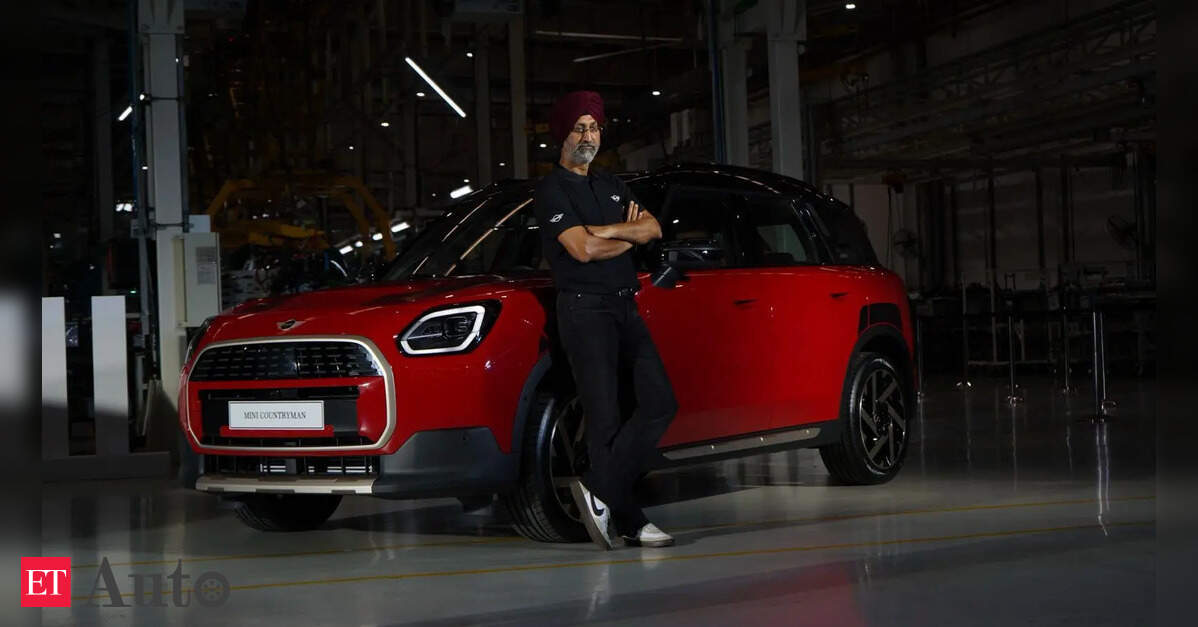

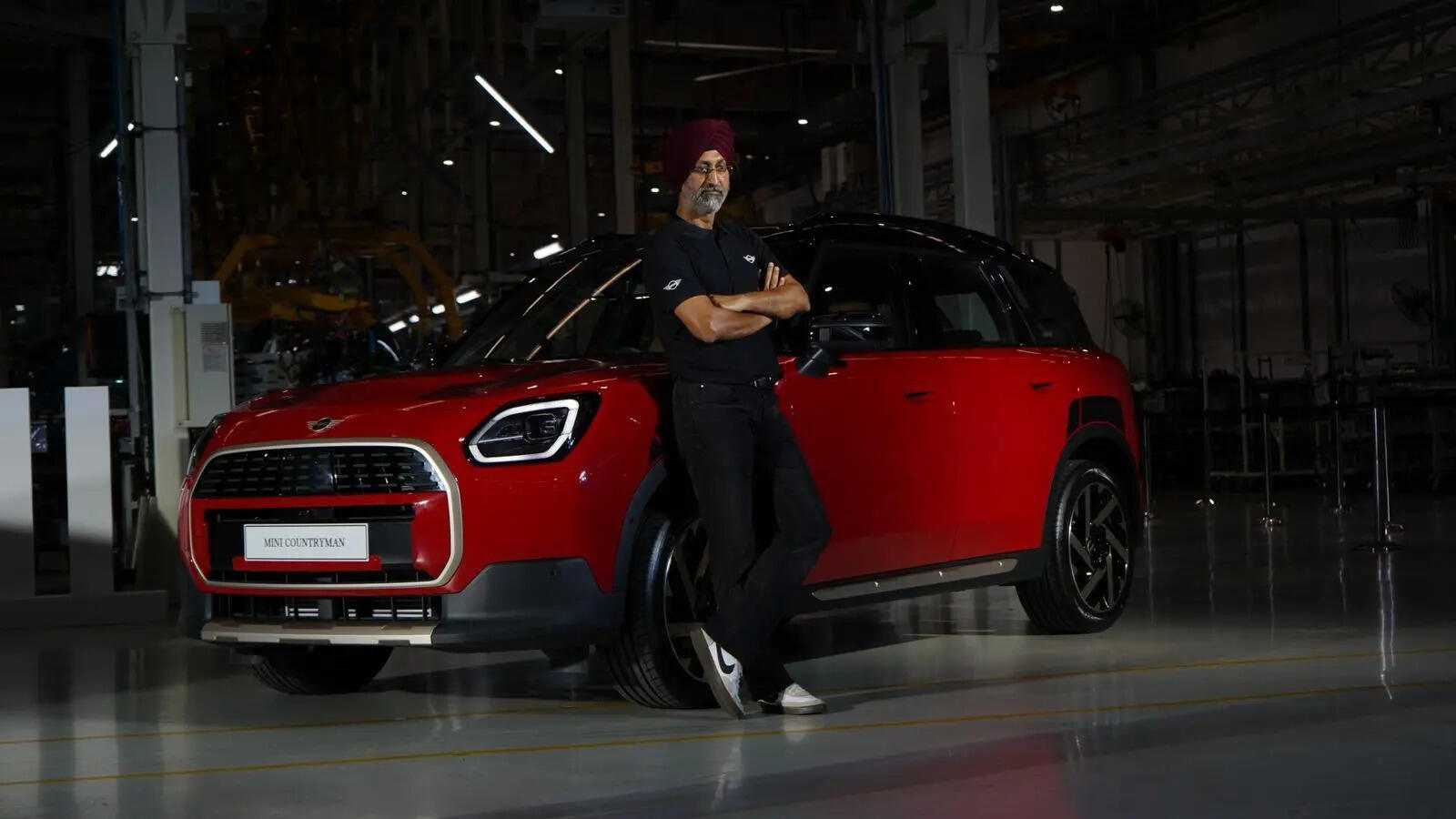
 Hardeep Singh Brar, President and CEO of BMW Group India, said the company is targeting 100 per cent year-on-year growth to double Mini volumes in 2026.
“/>
BMW Group India is set to double the number of retail touchpoints for its niche Mini sub-brand in the country by targeting 10 new outlets in 2026.
The company said it will open a chunk of these showrooms in Tier-2 cities, such as Jodhpur, Ranchi, Lucknow, Jaipur, Guwahati, and Vijayawada, among others, and take the total network count to 21 Mini outlets, across 19 Indian cities by end-CY26.
Combining BMW’s primary network, the reach further extends to 39 cities, according to the company.
The expanded network will enable the UK-based iconic brand to continue its robust double-digit growth momentum in India, where it recorded a 42 per cent year-on-year growth in Q1 CY26.
In CY25, BMW Group India sold a total of 730 units of Mini models, and is targeting to more than double that number this year.
“We are targeting a 100 per cent YoY growth to double the Mini volumes in 2026” said Hardeep Singh Brar, President and CEO, BMW Group India.
As part of its growth strategy, the company on Wednesday launched the locally-assembled Mini Countryman C in India at a price of ₹47.50 lakh, ex-showroom, and plans to further expand the portfolio by introducing 9 more Mini models, including refreshes, in CY26. Until now, it had only four Minis on sale in India, including the all-electric Countryman.
“We are just getting started and it is going to be a fun ride,” Brar added, while unveiling the ICE version of the crossover in Chennai.
Localisation strategy
With a petrol-powered, localised crossover, the Mini Countryman will allow the company to address a wider section of audience, 70 per cent of which is still looking for a conventional ICE powertrain. “We want to provide whatever the customer demands,” Brar said.
The company has localised almost 50 per cent of the new Mini Countryman, which now attracts only 15 per cent import duty. On the other hand, if it were to leverage the India-EU FTA and take the CBU route, the applicable duty would be 40 per cent in the first year.
“We are already manufacturing at 15 per cent. So, it will take another three years (to arrive at a price parity),” Brar explained.
BMW Group’s Chennai plant has an installed annual capacity of 17,500 units in a single shift, and can go up to 50,000 units over three shifts. Key parts such as HVAC, seats, and powertrain, are understood to contribute majorly to the local content in BMW’s India-assembled models, with up to 10 suppliers such as Tenneco and Lear Corporation providing these parts locally.
With a planned pipeline of 26 new models, including refreshes, BMW is aiming to hit 20,000 units in CY26 – thereby eyeing a 15-17 per cent YoY growth in volumes. It clocked 18,001 units last year, and registered a 14 per cent growth.
“While it is slightly slow at this point due to the recent global issues, the average growth rate in the luxury car market has been higher than the mass market, particularly after Covid,” he added.