
FB
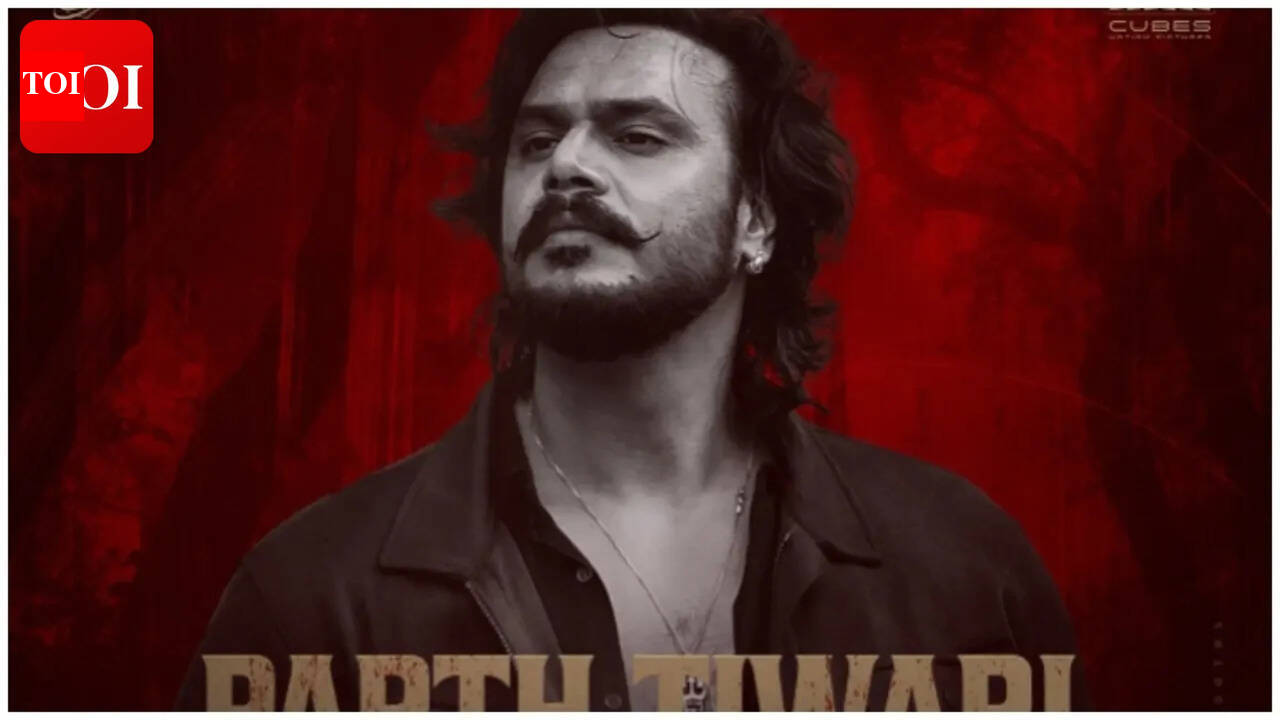
‘Kattalan’ actor Parth Tiwari recently opened up about his character Robbie and discussed the effort that went into creating the role. The actor, who previously attracted attention for his performance in Kill, is now part of the action thriller ‘Kattalan’ from the makers of ‘Marco. During an exclusive conversation with ETimes, Parth shared details about his preparation process and explained the choices that shaped his performance. He also revealed that the team consciously stayed away from common stereotypes while designing Robbie’s character.
Parth Tiwari explains the thinking behind Robbie
Parth spoke about one of the most challenging aspects of portraying Robbie. He explained that the team did not want to rely on familiar cinematic patterns while depicting the character. The actor said, “With this character, our approach wasn’t the cliché idea that after taking drugs, a person suddenly behaves in an exaggerated way. We wanted to show a more nuanced side of it. Robbie is educated, and he has been doing it for a long time.“When someone does something like that for years, they often become accustomed to it and learn how to handle it. So even in the scenes that come after, in my demeanor and performance, he doesn’t lose control. He’s angry, but he’s not out of control. That was always at the forefront of my mind while performing the character—that he wouldn’t be stumbling around or speaking incoherently.”
Parth Tiwari says conversations shape his characters
The actor also discussed his overall acting process and explained that detailed discussions play an important role in helping him enter a character’s world.He revealed to us that understanding emotional history and background information remains essential to his preparation. Parth Tiwari also added, “I’m the kind of actor who needs every detail before stepping into a character. My preparation begins with conversations, questions, and understanding who the character really is — what shaped him and what his past looks like. For me, character building comes from discussion and information. The more I understand a character, the more honestly I can play him.“With Director Paul, we had multiple conversations just to understand who Robbie really is. Every character comes from a different world, and making that world feel real is what excites me as an actor.” ‘Kattalan’ features an ensemble castDirected by Paul George, ‘Kattalan’ serves as a major action thriller project and features Antony Varghese in the lead role. The cast includes Anson Paul, Parth Tiwari, Harishankar Narayanan, Dushara Vijayan, Sunil, Kabir Duhan Singh, Jagadish, Siddique , and Raj Tirandasu in important roles.The film arrived in theatres on May 28. Meanwhile, ‘Kattalan’ experienced a drop in collections on its third day in theatres.According to Sacnilk, the film collected Rs 1.28 crore on Day 3. This represented a 20 percent decline compared to Day 2 collections of Rs 1.60 crore. The film had opened with Rs 3.80 crore on Day 1 which is surely impressive.’Kattalan’s India net collections have now reached Rs 6.68 crore. India gross collections currently stand at Rs 7.69 crore.Among language markets, Malayalam continued leading the overall performance. The Malayalam version collected Rs 98 lakh with 15 percent occupancy across 1,108 shows.
ETimes review discusses character treatment
ETimes review for the film reads, “Antony Varghese remains committed throughout, fully inhabiting the physical demands of the role. Performers like Jagadish and Sunil bring familiarity and control to the film’s dramatic spaces. But characters arrive and disappear without leaving much behind. The screenplay sketches people through aggression and survival instinct, rarely pausing long enough to understand them beyond those surfaces.The treatment of women reflects another limitation within the film’s storytelling. Dushara Vijayan, despite her strong screen presence and proven range elsewhere, is given little meaningful material to shape. The film appears to mistake visual toughness for layered representation—women holding guns, riding bikes, standing beside violent men. Yet empowerment in cinema cannot exist only through posture or styling. It requires emotional agency, narrative consequence, and interiority.” Go to Source