
 Porsche said the first-quarter result supported its forecast for 2026 but warned that this did not include possible effects from the Iran war.
German sports car maker Porsche saw its profit erode further in the first quarter of 2026 as it doubles down on cost-cutting to deal with mounting challenges from tariffs, geopolitical turmoil and gaps in its model lineup.
Porsche was hit by another 200-million-euro ($234 million) US tariff charge in the first quarter, while Chinese consumers continued to turn away from the German brand in favour of cheaper local alternatives.
The Iran war and the broader regional tensions have also begun hitting demand in the small but high-margin Middle Eastern market.
“The environment has fundamentally changed,” finance chief Jochen Breckner told analysts after the company reported a 22 per cent plunge in first-quarter operating profit to 595 million euros.
The automaker, majority-owned by Volkswagen, said its margin narrowed to 7.1 per cent in the first three months of 2026 from 8.6 per cent a year earlier but still came in at the upper end of the forecast range.
This follows a tough 2025, which saw Porsche’s operating margin collapse to just 1.1 per cent, a fraction of the 18 per cent reported in the year of its blockbuster stock market listing in 2022.
Porsche said the first-quarter result supported its forecast for 2026 but warned that this did not include possible effects from the Iran war.
“It’s difficult to predict what will happen for the time being,” Breckner said. Volumes were down in the Middle East in March with further pressure expected as the conflict weighs on demand and disrupts shipping.
Breckner said the region accounted for just 2 per cent of global sales and said growth in other markets offset the impact in March.
Porsche CEO Michael Leiters was brought in at the start of the year to lead the automaker’s turnaround, taking over from Oliver Blume who remains CEO of parent Volkswagen.
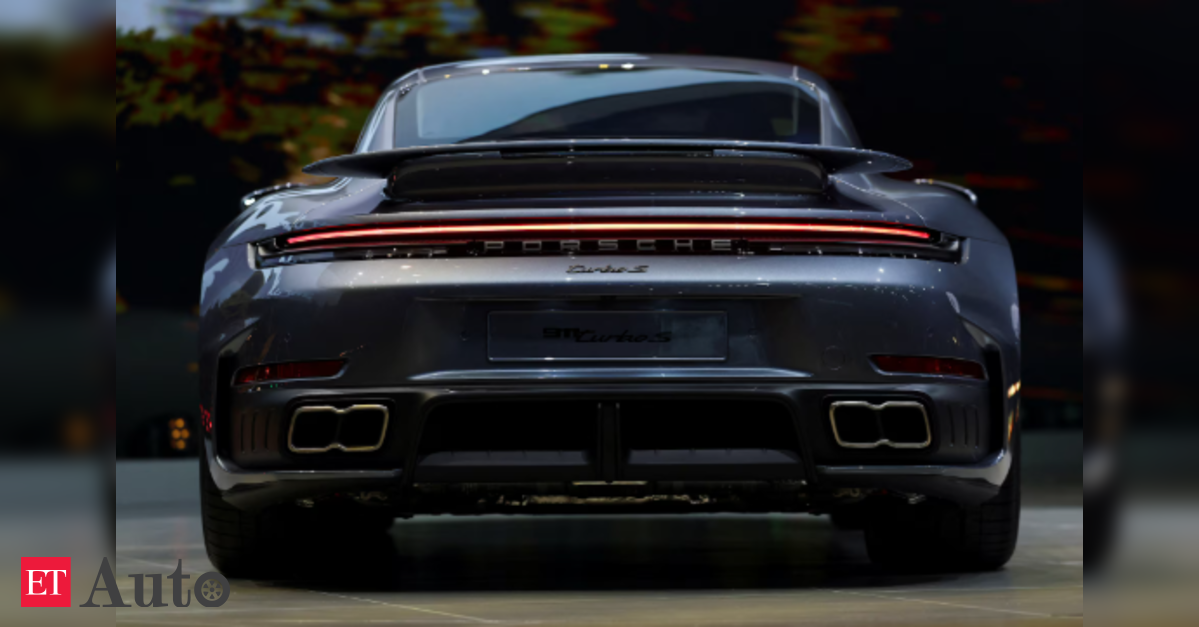
Leiters’ recovery plan involves a focus on margin-boosting luxury models, such as the 911, and further cost cuts on top of almost 4,000 job cuts under his predecessor.