


The debate over the proposed women’s reservation legislation intensified in Parliament as the Congress party raised strong objections to the set of bills being introduced. Senior Congress leader Jairam Ramesh stated that the core intent behind the legislative package is “misleading” and linked primarily to the issue of delimitation rather than immediate gender representation. According to Congress, the women’s reservation proposal cannot be viewed in isolation, as it is closely tied to future changes in parliamentary constituency boundaries. The party argues that the government’s approach may delay effective implementation of reservation for women in the current Lok Sabha structure, instead making it dependent on a future redistribution of seats. Opposition leaders claim that such a linkage could have political implications, potentially altering the balance of representation across states. Concerns have also been raised that states with stronger political influence could gain disproportionate advantage, while others may see reduced representation after delimitation. The Congress has demanded that women’s reservation be implemented immediately within the existing parliamentary framework, without waiting for structural changes in constituency boundaries. The party maintains that delaying the reform undermines its intent and limits its immediate social impact. As Parliament debates the legislative package, the issue has become a key point of contention between the ruling and opposition parties, setting the stage for an intense political confrontation in the special session.
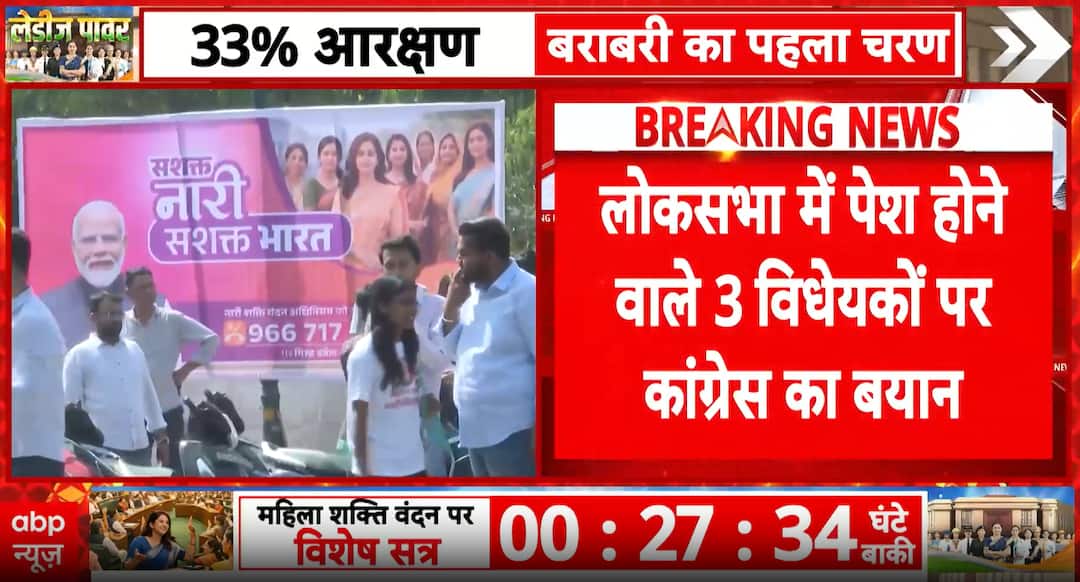
POLITICAL ROW: Congress flags concerns over women’s reservation bills, questions delimitation link
Previous article

Next article
