
A Health Revolution? Abu Dhabi Pulls the Plug on Junk Food Promotions
In a landmark shift toward proactive public health policy, Abu Dhabi has announced a comprehensive ban on outdoor advertising for junk food and unhealthy beverages across the emirate, marking one of the most ambitious food marketing restrictions in the region. This initiative, launched under the Healthy Living Abu Dhabi programme led by the Department of Health, aims to curtail the visibility of fast food and other nutritionally poor products in public spaces. It is a strategic effort to combat obesity, diabetes and other diet-related chronic diseases that strain individuals and the healthcare system.Under the new rules, any product deemed unhealthy based on strict nutritional thresholds, including high calories, fat, saturated fat, sodium or sugar, can no longer be advertised outdoors, whether on billboards, digital screens, street furniture or transport shelters. Products that meet healthier classifications (Grade A or B under Abu Dhabi’s SEHHI nutritional profile system) are the only ones allowed visibility in outdoor ads and even these must comply with detailed content criteria.
Scope and rationale behind Abu Dhabi’s advertising ban
The ban on junk food advertising forms part of a broader public health strategy designed to reshape the food environment, how food and drink are presented, marketed and consumed in everyday life. Officials from Healthy Living Abu Dhabi argue that reducing public exposure to unhealthy food adverts makes it easier for residents and visitors to make healthier choices in their daily routines. Dr Ahmed AlKhazraji, executive director of the programme, has emphasised that this policy is not about blaming individuals but about redesigning the environment so that healthful decisions become the default option.
Key elements of the policy include –
- Outdoor advertising ban: Unhealthy food and beverage products, defined under SEHHI grades C, D or E, cannot be promoted in outdoor media.
- Nutri-Mark labelling: Front-of-pack labels classify products from A (most nutritious) to E (least healthy), empowering both regulators and consumers.
- Media and brand restrictions: Even brand-only adverts without product images are restricted if they promote unhealthy products.
- Supermarket and school policy alignment: The initiative extends into supermarkets, repositioning unhealthy items away from high-traffic zones and complements simultaneous efforts to improve school food quality.
The comprehensive strategy also includes stricter nutritional standards in schools and workplaces, community fitness programmes and expanded public health awareness campaigns, all part of Abu Dhabi’s broader ambition to foster a healthier, more active society.
Abu Dhabi’s comprehensive approach to reducing dietary risks
Public health research increasingly highlights the role of food marketing in shaping consumption habits. Studies have shown that advertising exposure, especially for high-fat, salt and sugar (HFSS) foods, can influence cravings and dietary choices, particularly among children and adolescents. Similar advertising restrictions in other countries aim to reduce such exposure and encourage healthier eating patterns, though their effectiveness depends on comprehensive implementation and complementary measures.
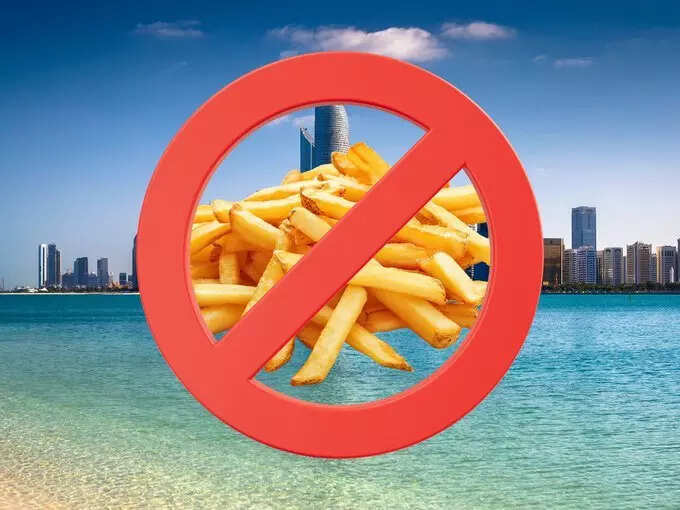
Fast Food Faces Fresh Hurdle as Abu Dhabi Enforces Strict Ad Curbs
Abu Dhabi’s approach goes beyond merely limiting ads: it seeks to restructure how food is marketed and perceived in everyday settings. By removing ubiquitous outdoor promotion of unhealthy products, authorities aim to reduce impulse purchases and social normalization of poor dietary choices. A growing body of evidence suggests such environmental interventions may help lower obesity rates and reduce the burden of diet-related noncommunicable diseases, though outcomes will need to be tracked over time.The UAE emirate’s ban could significantly reduce visual cues that prompt unhealthy eating in public spaces. Public health advocates argue that environments saturated with fast-food promotions normalize high-calorie diets, contributing to rising obesity and chronic disease rates globally. By restricting this advertising, Abu Dhabi aims to promote a societal shift toward healthier living.This policy reflects a broader trend of governments taking a more assertive role in shaping food environments. Like policies restricting unhealthy food ads in other countries, Abu Dhabi’s initiative recognises that individual choice is influenced by marketing and visibility. By tackling the “foodscape” itself rather than only individual behaviour, the emirate is aiming for a cultural shift in how health and diet are understood and communicated.For food and beverage companies, the ban means rethinking outdoor marketing strategies in one of the UAE’s most influential emirates. Traditional advertising channels like billboards, street signage and outdoor displays will no longer serve as platforms for unhealthy products. Brands will need to pivot toward permissible channels or reformulate products to meet healthier categories under the Nutri-Mark system. This change represents both a regulatory challenge and an opportunity to innovate in product development and marketing.
Challenges and the road ahead
While this advertising ban is broad and ambitious, some public health experts caution that ad restrictions must be part of a broader, multipronged strategy that includes education, accessibility to healthy foods and ongoing monitoring to realise measurable health improvements. Similar policies elsewhere have faced critiques that without supportive measures, such as price incentives, school nutrition improvements and restrictions on digital ads, advertising bans alone may have limited effects.

No More Burger Billboards: Abu Dhabi Cracks Down on Junk Food Marketing
Nonetheless, by embedding public health considerations into everyday environments, from billboards to supermarket aisles, Abu Dhabi’s policy could set a precedent for how cities and nations approach preventive health policy in the 21st century. Abu Dhabi has banned outdoor advertising of junk food and unhealthy beverages as part of its Healthy Living programme.Products exceeding strict nutritional thresholds are no longer allowed on billboards, street ads or public displays, under a system tied to Nutri-Mark classifications. The policy complements broader public health efforts, including supermarket layout changes and school nutrition rules. Officials aim to shift societal norms around diet and reduce the burden of obesity, diabetes and other chronic diseases. Go to Source