
Volkswagen plans by 2030 to build most of the vehicles it offers in China on its new electronic architecture platform developed with EV maker Xpeng, the company said.
The move is part of its efforts to win back the world’s largest auto market.
The architecture enables it to develop cars up to 30 per cent faster and 40 per cent cheaper when compared with using the German-developed MEB platform, thanks to centralised control units and increased in-house component production, company officials said.
The company’s goal is to build “most of its cars” in China on the software-driven new architecture called China Electronic Architecture (CEA) by 2030, said Liu Ran, a spokesperson for Volkswagen Group China Technology, during a tour of a sprawling manufacturing hub in Hefei, eastern China.
The company has faced stiff competition in China, losing its top position to local rivals like BYD and Geely , which have in recent years rolled out new models – with smart features – at a far faster pace.
In 2024, Volkswagen was overtaken by BYD and last year, it slipped to third place with a 17.4 per cent drop in fourth-quarter sales.
Employees at the Hefei hub, which includes a CEA lab that employs about 850 engineers – mostly Chinese – said they had been given autonomy to make decisions as part of a shift and expressed hope that Volkswagen’s reputation in China for quality assurance and reliability could give it an edge.
“We have completely optimised our system to accelerate and deliver according to Chinese speed and also according to Chinese customer wishes,” said Finn Cemmasson, who leads a team of those working on the validation of the architecture’s integration with in-vehicle hardware.
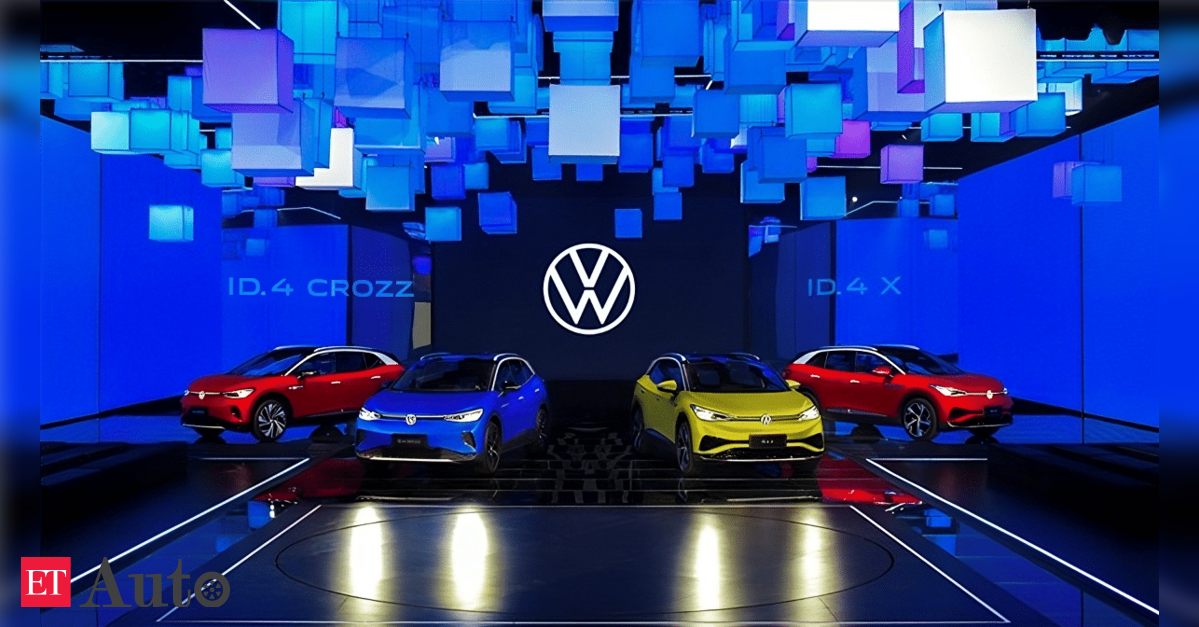
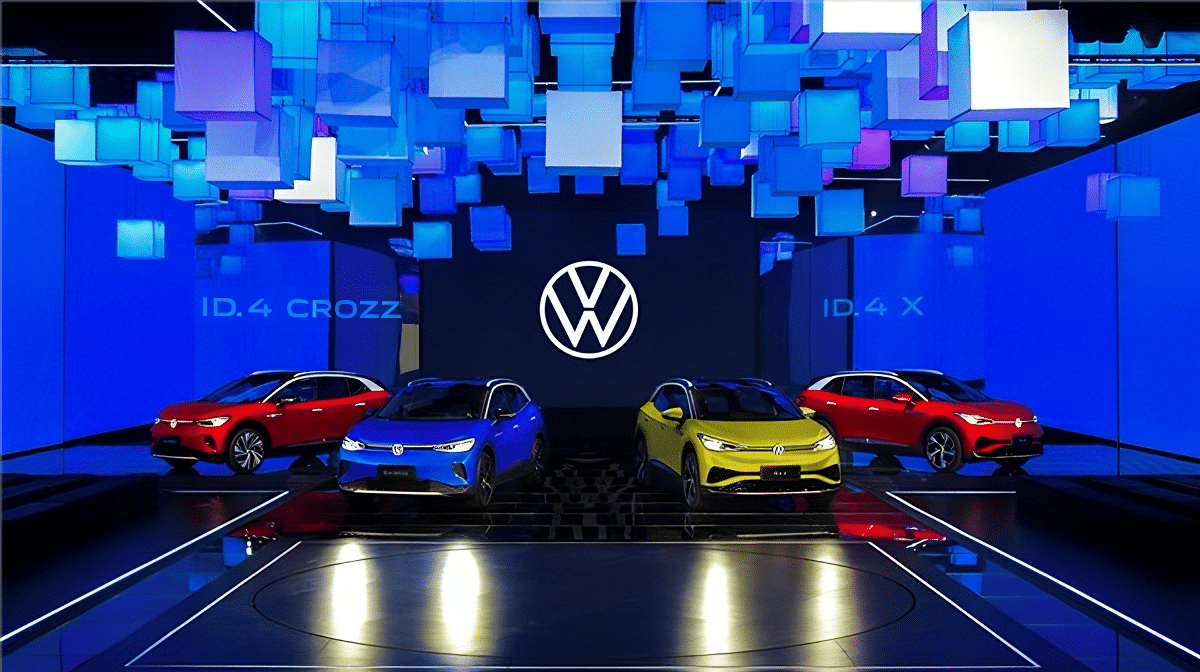
Volkswagen has started production of its first China-built vehicle, the electric SUV called “ID. UNYX 07” on the CEA at the end of last year and plans to produce four more models this year, Volkswagen said.
Next year, it will add about 10 more models on the architecture, with some combustion-engine cars, it said.
Volkswagen’s collaboration with China’s Xpeng on the architecture ended last year, with development now handled by Volkswagen, Cemmasson said.