
“You’ve Revealed Yourself”: JK Rowling Sparks Global Firestorm With Iran Human Rights Tweet
Harry Potter author JK Rowling reignited global online discourse this Sunday, with a powerful message about human rights and international solidarity, drawing attention to the escalating unrest in Iran and prompting debate over how public figures engage with global causes. Taking to her X (formerly Twitter) handle on January 11, 2026, Rowling directly challenged global public opinion and the activist community.
What JK Rowling tweeted in support of Iran
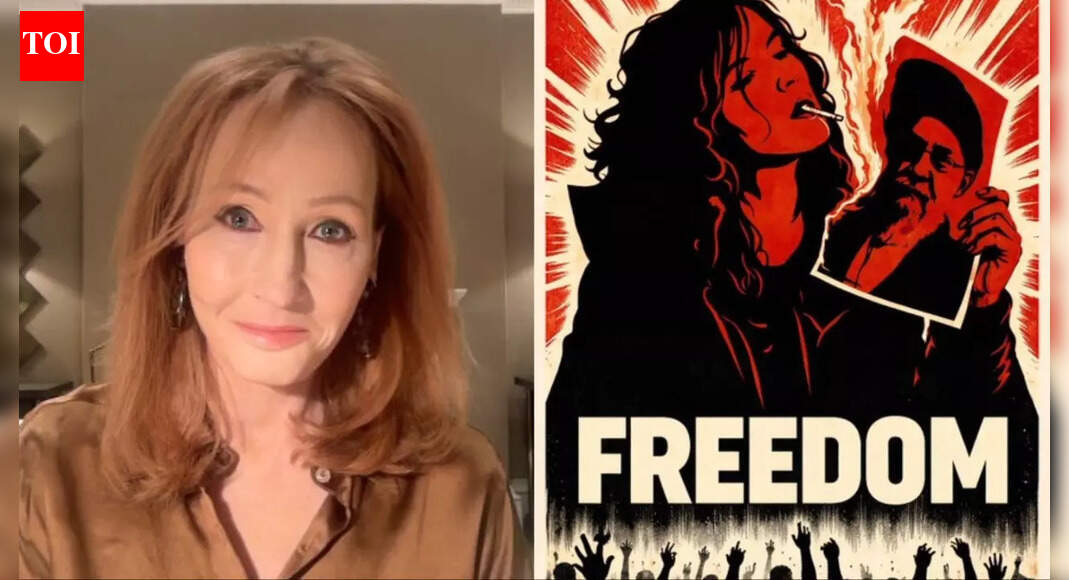
Sharing a poster of a woman’s caricature, lighting up a cigarette from the flames of a burning image of Iranian Supreme Leader Ayatollah Ali Khamenei, Rowling tweeted, “If you claim to support human rights yet can’t bring yourself to show solidarity with those fighting for their liberty in Iran, you’ve revealed yourself. You don’t give a damn about people being oppressed and brutalised so long as it’s being done by the enemies of your enemies (sic).” Her remarks quickly went viral, provoking both acclaim and criticism across social media platforms. Rowling’s post comes amid nationwide demonstrations across Iran, where protests that began in late 2025 over rampant inflation and economic collapse have expanded to include widespread calls for political change. Demonstrators have taken to the streets in many cities, with reports of hundreds of arrests and dozens of deaths as security forces have tried to suppress dissent. Independent human rights monitors have documented a harsh crackdown on freedom of expression and political dissent, with activists, journalists and minorities reportedly facing severe punishment under Iranian law.
A global solidarity tension kicks up after JK Rowling’s recent tweet on Iran
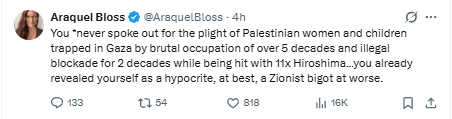
In her tweet, Rowling implied a growing inconsistency in how human rights are championed online and in media: that selective engagement with global struggles often overlooks severe repression when it occurs in geopolitical contexts deemed inconvenient or unattractive by influential voices. Her message specifically resonated with ongoing international calls for greater attention to the plight of Iranian protestors and marginalised groups.Human rights organisations have long warned that systemic repression in Iran, including restrictions on assembly, speech and women’s rights, constitutes widespread violations that demand sustained international scrutiny and solidarity. Coalitions of Iranian and global NGOs have urged bodies such as the UN Human Rights Council to renew mandates of rapporteurs focusing on Iran, underscoring the severity of ongoing abuses.Rowling’s stance aligns, in part, with movements that stress “Women, Life, Freedom”, a slogan that has circulated widely on social media and international protests as a symbol of resistance against state oppression. Iranian diaspora communities have held solidarity rallies in cities across Europe, North America and Australia, amplifying the voices of those inside Iran even as authorities impose internet blackouts to stifle communication.Reactions to Rowling’s tweet were sharply divided. Many praised her for bringing renewed attention to Iran’s unfolding crisis. Supporters argued that consistent human rights advocacy must transcend geopolitical narratives and appeal to everyone’s conscience, not only when it aligns with prevailing political trends.However, others criticised her for what some saw as a selective application of solidarity, especially given ongoing global conflicts and human rights crises elsewhere. Critics pointed to polarised online debates over various international issues, including conflicts in Gaza and perceptions of Western media bias, as evidence that public solidarity is often shaped more by tribal digital cultures than principled commitment.A netizen replied to Rowling’s post, “You *never spoke out for the plight of Palestinian women and children trapped in Gaza by brutal occupation of over 5 decades and illegal blockade for 2 decades while being hit with 11x Hiroshima…you already revealed yourself as a hypocrite, at best, a Zionist bigot at worse (sic).”
JK Rowling’s “selective solidarity” receives backlash from women on X
Another shared a picture of a woman lighting up a cigarette from the flames of the burning image of Netanyahu and wrote, “If you claim to support human rights yet can’t bring yourself to show solidarity with those fighting for their liberty in the Levant, you’ve revealed yourself (sic).”
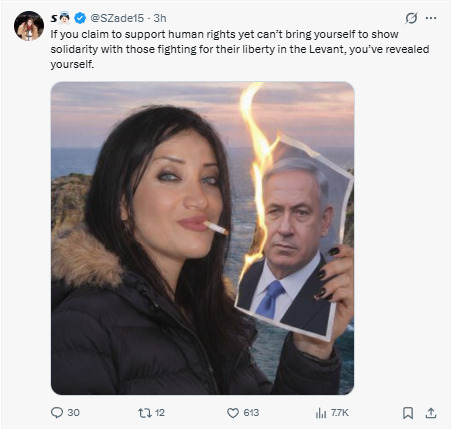
JK Rowling’s “selective solidarity” receives backlash from women on X
Notably, social media discussions also highlighted broader tensions within activist communities. Some users questioned why influential voices rallying passionately around certain human rights struggles sometimes appear less vocal about others, particularly when such struggles involve states or movements that don’t fit neatly into dominant political binaries. This debate touches on the complex intersections of geopolitics, social movements and global media attention, illustrating how public solidarity campaigns can be both powerful and uneven. Go to Source