
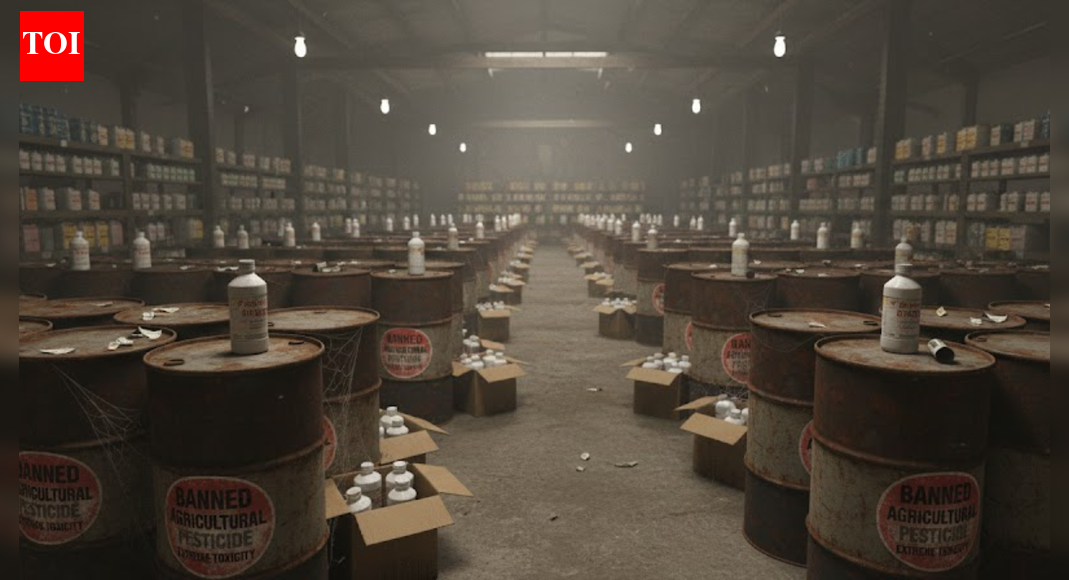


Saudi Arabia proposes up to five years jail and SR10 million fine for banned pesticides/Representative Image
Saudi Arabia is taking a firmer stance against banned and counterfeit pesticides, with a draft regulation proposing jail terms, hefty fines, and strict enforcement measures. The new rules aim to protect public health, the environment, and agriculture, while giving authorities clear powers to penalize repeat offenders.
Stricter penalties for serious violations
The proposed regulation introduces strict consequences for anyone involved in manufacturing or importing banned or counterfeit pesticides. Under the draft, violators may face up to five years in prison, fines reaching SR10 million, or one of these two penalties. The Public Prosecution will investigate all violations and bring the cases before the competent court to enforce the penalties outlined in the regulation. In situations where the offender repeats the violation, the prosecution is authorized to double the penalties to ensure stronger compliance and deterrence.
Warnings for minor offenses
Not all violations will lead to immediate jail time or fines. The draft clarifies that if a violation is minor and does not cause significant harm to humans, animals, plants, the environment, or public health, the violator will first receive a warning. Authorities may then provide a grace period for the issue to be corrected before applying penalties.
Role of authorities
The Saudi Food and Drug Authority (SFDA) will play a central role in reviewing violations related to public health pesticides. Responsibilities of the SFDA under the draft include:
- Reviewing violations and applicable regulations
- Imposing penalties
- Securing approval for penalties from the president or an authorized person
Additionally, the Ministry of Environment, Water, and Agriculture can require violators to remove the cause of the violation. Repeating the offense within three years of a previous violation is considered a repeat offense, which can lead to doubling of fines.
Handling violating materials and facility closure
The draft also outlines strict measures for dealing with the materials involved in violations. These include:
- Destruction by a certified chemical disposal company
- Re-exportation to the country of origin
- All costs will be borne by the violator
Beyond fines, the draft allows authorities to temporarily close the facility for up to six months or even permanently shut it down in severe cases. Those penalized have the right to appeal the decision in the Administrative Court in accordance with its regulations. Go to Source