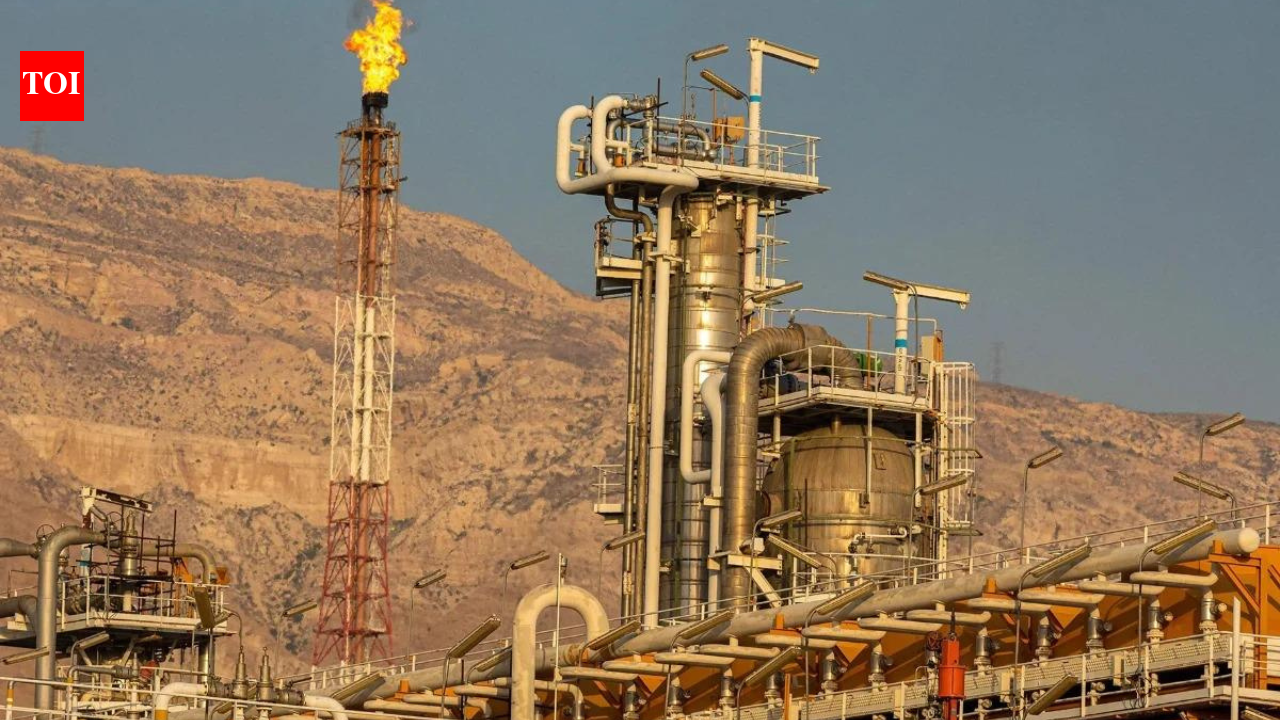
The Middle East war has entered its 20th day, with rapid escalation and continuous major developments emerging from the region. In a significant development, the United States reportedly carried out a strike on South Pars Gas Field in Iran. Following this, Iran has sharply intensified its retaliation, launching the 63rd wave under “Operation True Promise IV.” Iran is now targeting U.S.-linked oil facilities and military positions across the Middle East using missiles and drones. Strikes are being reported near American bases in Gulf countries, signaling a widening battlefield. At the same time, Iran has continued heavy attacks on Israel. Over 100 missiles were reportedly launched, some intercepted by Israeli air defense systems, while others struck key areas. In Tel Aviv, explosions were reported near Ben Gurion International Airport, causing fires and infrastructure damage. Underground metro systems were also hit, with stations severely damaged. In central Israel, including Kafr Qasim, drone and cluster bomb attacks caused destruction in residential areas, forcing civilians to flee. Beyond Israel, Iran’s strikes have also hit U.S. positions in Baghdad, where a drone attack reportedly targeted the American embassy. Despite facing a global superpower, Iran continues to sustain its war effort due to several factors: a pre-planned leadership succession system, strong domestic unity, and external backing from Russia and China. Additionally, control over the Strait of Hormuz remains a major strategic advantage, influencing global oil supply.