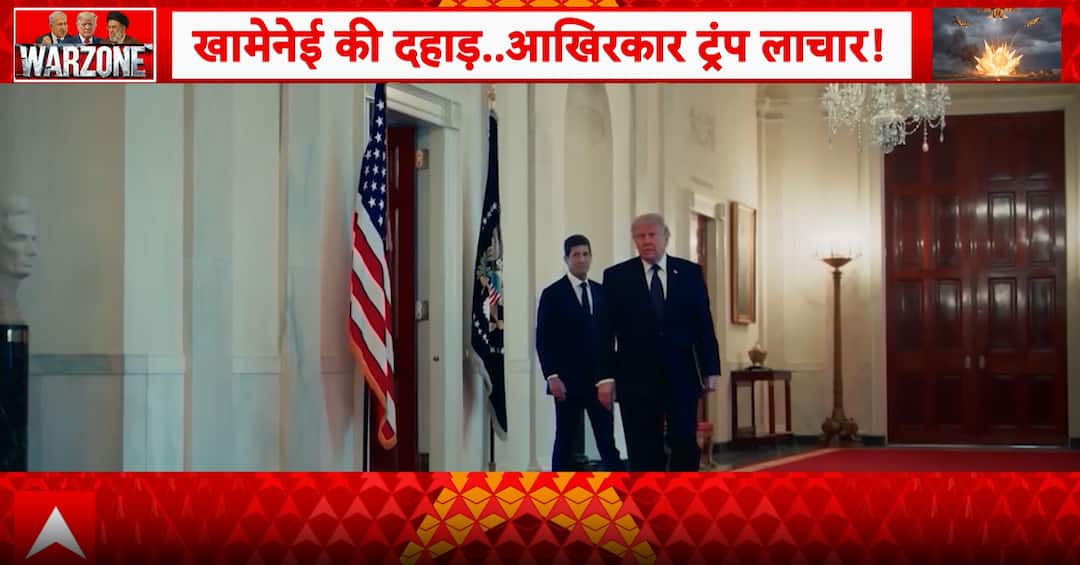
A renewed debate has emerged in global diplomatic circles following reports of progress in discussions between the United States and Iran, with regional implications drawing strong reactions from various stakeholders, including Israel. The developments have fueled speculation about shifting geopolitical dynamics in West Asia and the future of regional security arrangements. Iranian leadership has maintained a firm public stance regarding the country’s strategic programs and national interests. Supreme Leader Ali Khamenei has repeatedly emphasized that any diplomatic engagement must respect Iran’s sovereignty and security priorities. Iranian officials have also stressed that negotiations should not be interpreted as acceptance of external conditions on critical defense or nuclear-related issues. Meanwhile, discussions surrounding potential sanctions relief and economic measures have attracted significant attention. Analysts note that any easing of restrictions could have implications for Iran’s energy exports, financial access, and broader economic recovery, factors that remain closely watched by international markets and regional governments. On the American side, policymakers continue to balance diplomatic engagement with security commitments across the region. Recent comments from U.S. Vice President JD Vance have generated discussion regarding Washington’s long-standing support for Israel and the broader strategic partnership between the two allies. Israel has consistently expressed concerns about agreements that could strengthen Iran’s economic or strategic position without addressing security issues that it considers critical. These concerns have contributed to ongoing debates within diplomatic and security circles regarding the long-term consequences of any future arrangement between Washington and Tehran. Experts suggest that while diplomatic engagement may reduce immediate tensions, significant disagreements remain unresolved. The situation underscores the complexity of regional politics, where economic interests, security concerns, and international diplomacy continue to intersect. As negotiations evolve, governments across the region are expected to closely monitor developments that could reshape the geopolitical landscape of West Asia.

GEOPOLITICAL WATCH: US-Iran deal sparks debate as Israel voices concerns over regional balance
Previous article
Next article