
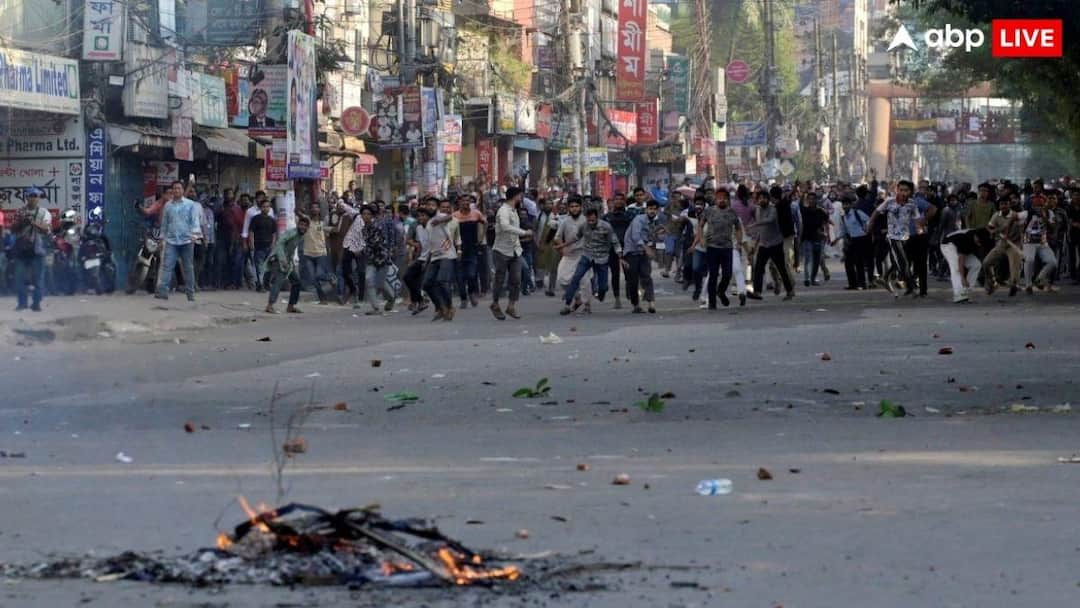

Bangladesh will hold its next general election on February 12, 2026, alongside a nationwide referendum, marking a crucial political moment after months of instability. The polls come under an interim administration led by Muhammad Yunus, which took charge following the ouster of Sheikh Hasina in August 2024. While the election schedule has been announced, concerns remain over law and order, the growing influence of hardline groups, internal political churn, and whether the process will be seen as free and fair.
Election Schedule & Political Context
According to the election plan, nomination papers must be filed by December 29, with scrutiny to take place between December 30 and January. Voting will be held across 300 parliamentary seats. Bangladesh has been under an interim government for over a year and a half, but reports of violence, arson and attacks on minorities, particularly Hindus, continue to surface. Law and order remains a major challenge, with radical elements expanding their influence, raising concerns over the conduct of the upcoming polls.
NCP Turmoil & Jamaat Link-Up
The political landscape has been further unsettled by turmoil within the National Citizen Party (NCP), which emerged from the 2024 student-led movement that preceded Sheikh Hasina’s removal. As elections approach, reports of a possible alliance between the NCP and the hardline Jamaat-e-Islami have triggered resignations within the party. Several leaders have quit, opposing the ideological shift. NCP coordinator Nahid Islam has faced criticism over allegations of promoting Jamaat’s agenda, with more than 30 leaders leaving the party so far.
BNP Seen As Key Contender
Political observers in Dhaka believe the Bangladesh Nationalist Party could emerge as the largest party in the 2026 election. The party, led by former prime minister Khaleda Zia, has long been Sheikh Hasina’s principal rival. While Khaleda Zia is currently unwell, her son Tarique Rahman has returned to Bangladesh after 17 years and is spearheading the campaign, contesting from two seats. Jamaat-e-Islami is also fielding candidates, despite having been banned earlier under Hasina’s government.
Awami League Ban & Minority Concerns
Only three parties are currently visible as major contenders, with the Awami League barred from participating. The ban on the country’s largest party has raised serious questions internationally, with some experts warning that an election without the Awami League could be seen as predetermined. Meanwhile, concerns persist over attacks on Hindus and the interim government’s silence. The election will involve two ballots on the same day, white ballots for parliamentary polls and coloured ballots for the referendum, across 42,761 polling centres and 244,739 booths. Voting will run from 7:30 am to 4:30 pm, with over 127.6 million voters registered, including men, women and transgender voters. Counting will begin immediately after polling ends.

