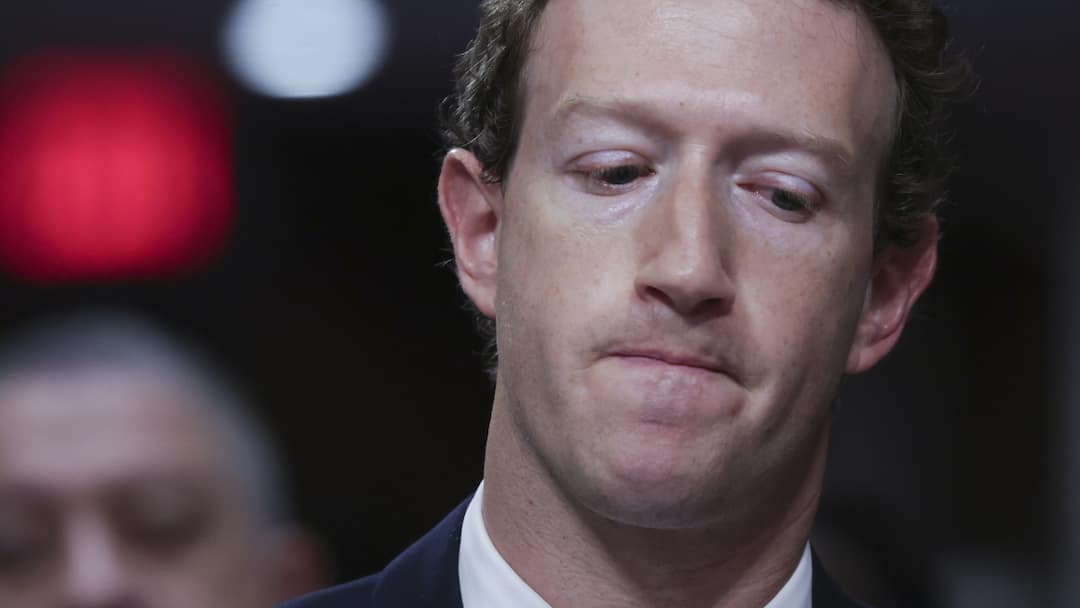

Meta, the parent company of Instagram and Facebook, is facing serious allegations that it failed to protect minors from exploitation and mental health harms on its platforms. Unsealed court filings released Friday reveal that the company not only struggled to address sex trafficking content but allegedly tolerated it, raising urgent questions about how social media platforms safeguard young users.
Instagram’s Controversial “17x” Strike Policy
Vaishnavi Jayakumar, Instagram’s former head of safety and well-being, testified that when she joined Meta in 2020, she was shocked to learn of a “17x” strike policy for accounts reported for human sex trafficking. “You could incur 16 violations for prostitution and sexual solicitation, and upon the 17th violation, your account would be suspended,” she said. She described the threshold as “very, very high” compared with industry norms.
Plaintiffs in the case allege that internal Meta documents support Jayakumar’s testimony. Despite Instagram’s public “zero tolerance” stance on child sexual abuse content (CSAM), the brief claims the platform lacked an easy reporting mechanism for such material. Meanwhile, users could easily report minor infractions such as spam, intellectual property violations, or promotion of firearms.
A Meta spokesperson told TIME that the company has removed accounts involved in human trafficking and made reporting child exploitation easier over time, disputing claims that the platform tolerated harmful content.
Alleged Deception About Teen Harms
The lawsuit, filed in the Northern District of California, alleges that Meta was fully aware of the dangers its platforms posed to young users but concealed them. According to the brief, the company knew millions of adult strangers were contacting minors, that its products worsened mental health issues in teenagers, and that content promoting eating disorders, suicide, and child sexual abuse was widespread yet rarely removed.
Previn Warren, co-lead attorney for the plaintiffs, compared Meta’s approach to the tobacco industry. “Meta has designed social media products that are addictive to kids, and they’re aware these addictions lead to serious mental health issues,” he said. “Like tobacco, these are dangerous products marketed to children. They did it anyway, because more usage meant higher profits.”
Aggressive Pursuit of Young Users
The filings allege that Meta actively targeted minors to increase engagement. Internal research reportedly indicated that social media could be addictive and harmful, yet executives blocked safety initiatives that might reduce engagement or growth. Features like default-private teen accounts, which could have prevented millions of adult-to-teen interactions, were delayed for years.
By 2020, internal estimates suggested making all teen accounts private could reduce engagement by 1.5 million monthly active users. Despite repeated recommendations from safety, legal, and privacy teams, Meta reportedly did not implement these measures until 2024. In the interim, teens allegedly experienced billions of unwanted interactions with adults, referred to internally as “IIC” or “inappropriate interactions with children.”
The brief also highlights Instagram Reels as a factor in increasing exposure. By allowing young teens to broadcast videos to a wide audience, including adult strangers, the platform may have amplified risks for vulnerable users.
Ignored Mental Health Research
Meta’s own research reportedly revealed the psychological harms of its platforms. In a 2020 project called “Project Mercury,” scientists partnered with Nielsen to measure the effects of “deactivating” Facebook and Instagram for a week. Users reported lower anxiety, depression, loneliness, and social comparison during the break.
Despite the findings, Meta halted the study, citing concerns that results were influenced by “existing media narratives” about the company. Internal staff reportedly warned executives that suppressing negative findings was reminiscent of the tobacco industry’s approach to public health research.
Plaintiffs allege that Meta also misled Congress. In December 2020, when asked whether Instagram or Facebook usage among teenage girls correlated with anxiety or depression, the company responded simply: “No.” The brief suggests that Meta had the evidence to know otherwise but chose not to disclose it.
Product Design Choices and Safety Failures
The allegations detail internal debates over features designed to protect teens. Meta reportedly shelved initiatives like hiding “likes” on posts to reduce harmful social comparisons and limiting beauty filters, which could worsen body dissatisfaction, eating disorders, and body dysmorphia in minors. AI systems capable of flagging harmful content were underutilized, leaving content glorifying self-harm, suicide, or abuse accessible to young users.
Even as researchers described Instagram as “a drug” and admitted they were “basically pushers,” Meta allegedly downplayed the addictive nature of its platforms publicly while continuing to optimise for engagement and growth. Internal documents show proposals for “quiet mode” and other interventions designed to curb problematic use were rejected for fear of reducing platform metrics.
Meta’s Response
Meta has consistently denied wrongdoing. A spokesperson emphasised the company’s efforts to protect teens, including Teen Accounts, parental oversight tools, and content moderation systems. “Over the past decade, we have listened to parents, researched issues that matter, and implemented changes to protect teens,” the spokesperson said, citing privacy defaults, automated protections, and restrictions on adult contact.
The company also highlighted its efforts to remove harmful content, arguing that AI and human review teams ensure compliance with child-protection policies and that teen safety measures are “broadly effective.”
Broader Legal Context
The unsealed filing is part of a sprawling multidistrict litigation involving more than 1,800 plaintiffs, including children, parents, school districts, and state attorneys general. The suit targets Meta, Google, TikTok, and Snapchat, alleging that these companies prioritised growth at all costs while exposing minors to physical and mental health risks.
Separately, Meta recently settled a shareholder lawsuit over privacy violations for $190 million, ending claims that executives, including Mark Zuckerberg, harmed the company by allowing users’ data to be misused. Shareholders had initially sought $8 billion, but the settlement dramatically reduced the claim.
Allegations of Misleading Stakeholders
- Plaintiffs argue that Meta’s conduct included:
- Delaying or blocking safety features designed to protect minors.
- Maintaining a high threshold for sex trafficking accounts before taking action.
- Ignoring internal warnings that growth-focused algorithms exposed teens to harmful content.
- Suppressing research findings that linked platform use to teen mental health issues.
- Actively marketing products to younger users, including those under 13, in violation of stated policies.
Internal communications cited in the brief describe executives prioritising engagement and teen growth over safety, with one Meta staffer reportedly comparing the strategy to “tobacco companies hooking kids.”
Lessons for Social Media and Teen Safety
The allegations paint a troubling picture of a tech company that may have prioritised profit over the welfare of its youngest users. While Meta has introduced Teen Accounts and other protective measures, plaintiffs argue these came too late to prevent billions of harmful interactions.
The case underscores the challenges social media companies face in balancing growth with user safety and raises broader questions about accountability. Lawmakers, parents, and regulators are watching closely as the hearing is scheduled for January 26 in the Northern District of California.
The Meta lawsuit highlights the tension between corporate growth and user safety in the digital age. Allegations that executives ignored internal research on mental health harms, tolerated sex trafficking, and actively pursued minors as users point to systemic issues within the platform. How social media giants respond to such scrutiny will shape the future of online safety, particularly for teens who spend increasing amounts of time on these platforms.